


IECEx ATEX Certified Explosion proof LED Lights - Zone 1 Zone 2 Hazardous Area Lighting
CESP Zone 1 Zone 2 hazardous location LED lights are in accordance with International Protection Techniques (Equipment Protection Levels), including IEC/EN 60079-0 (General Requirement), IEC/EN 60079-1 (Flameproof Enclosure), IEC/EN 60079-7 (Increased Safety), IEC/EN 60079-11 (Intrinsic Safety), IEC/EN 60079-15 (Type of Protection), IEC/EN 60079-18, IEC/EN 60079-28, IEC/EN 60079-31. If you are not sure about the Classified of your lighting application environment, please contact our technical department for the solution.
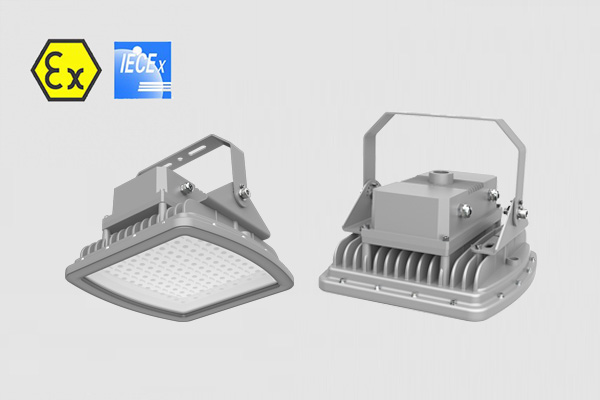
For Zone 1 Zone 2, Zone 21 Zone 22 hazardous area led lighting, 20W - 200W, 130lm/W,aluminum alloy + 8mm tempered glass, multi-installation for different projects, such as light tower, canopy light, marine grade.
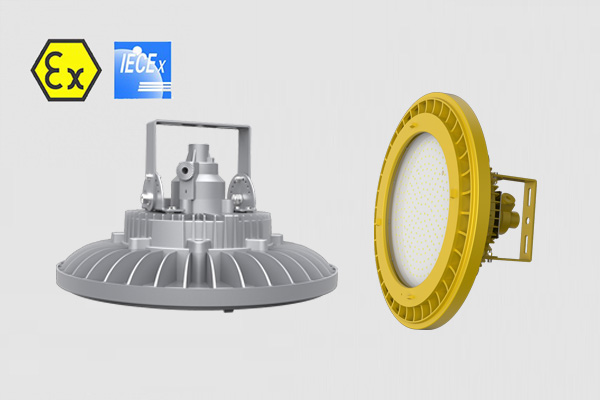
Flameproof enclosure, Ex db op is IIC T6 Gb, Zone 1 & Zone 21 with explosive gas atmosphere, Zone 21 and Zone22 with explosive dust atmosphere, 10mm temered glass, 7J impact resistance,up to 26000lm.
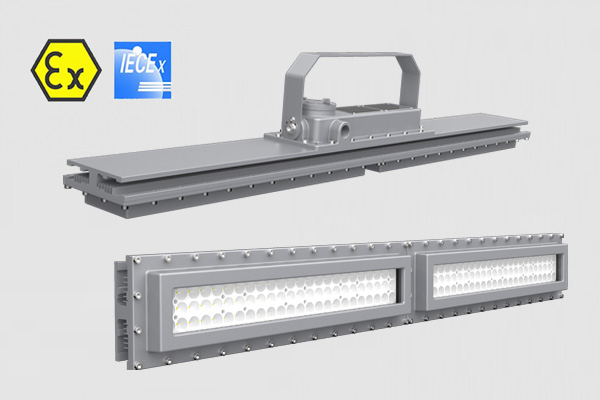
Flameproof enclosure, Ex db op is IIC T6 Gb, IP68 protection grade, tempered glass 10mm, withstand impacts up to 10J, 2 foot and 4 foot Length, 50Watt- 240Watt, 130lm/W light efficacy.
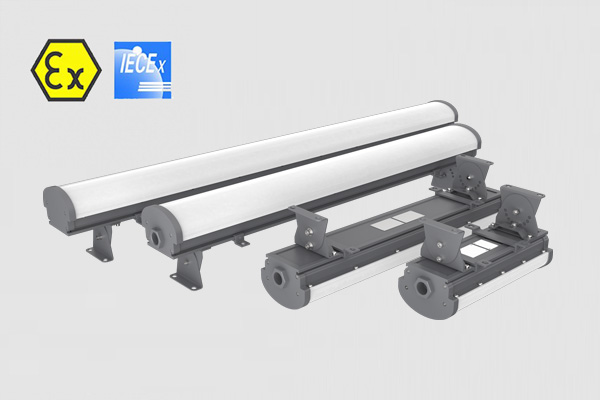
Zone 1 & Zone 21, 1ft, 2ft, 3ft, 4ft length can be selected, replace the traditional explosion-proof three-proof lamp, explosion-proof fluorescent tube, anti-corrosion, anti-glare, anti-drop, competitive price.
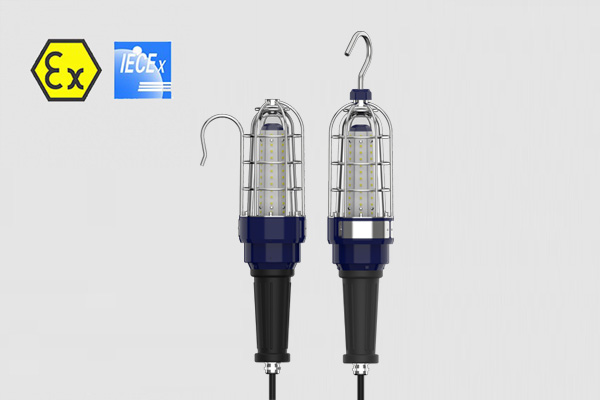
Flameproof LED hand lamp for Zone 1 & Zone 21 hazardous areas, 10mm tempered glass, pass the multi-angle drop test, 10W, 20W, 30W Power, can be connected to the cable, emergency power box.
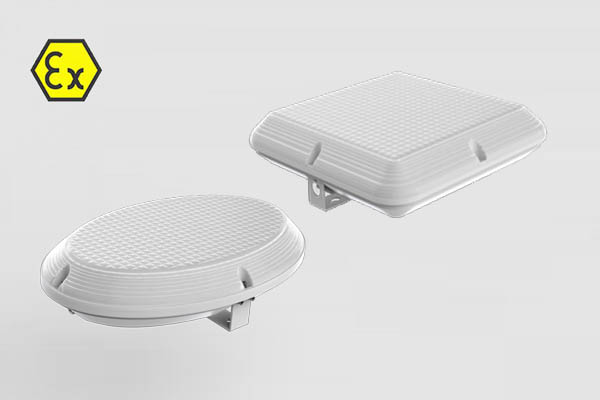
The CES-EX-SF series explosion-proof ceiling lamp has a strong shell, with features such as impact resistance, vibration resistance, and corrosion resistance. It can be used in hazardous environments of Zone 1&21, Zone 2&22.
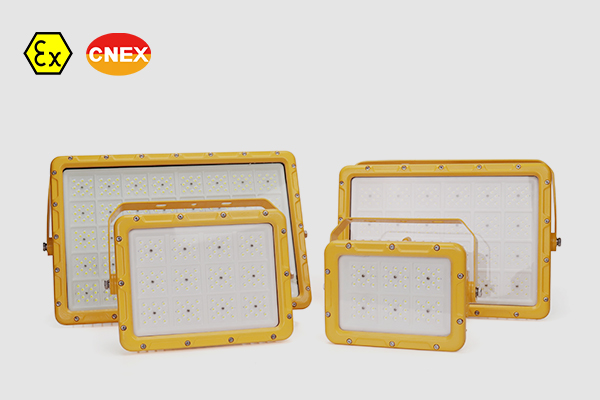
CES-EX-JX Series is your go-to solution for illuminating hazardous Zone 1 and Zone 21 areas. With ATEX approval, these Explosion-proof LED Flood Lights offer unbeatable safety standards.
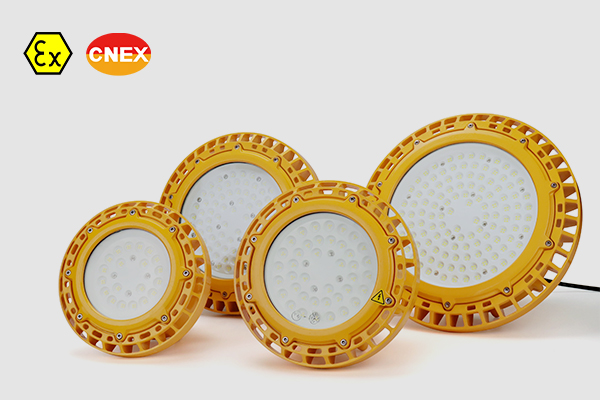
Discover the pinnacle of safety and illumination with our CES-EX-GBX Series Explosion-proof LED High Bay Lights. Designed for hazardous Zone 1 and Zone 21 areas, these lights boast ATEX approval, ensuring the highest safety standards.
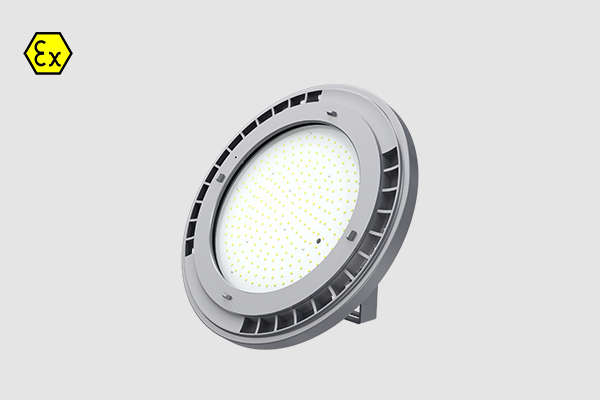
GB-02 explosion-proof lights are made of alloy aluminum and tempered glass, with shock resistance and anti-vibration performance. The luminaires have passed the ATEX IECEx standards test, from 30W to 80W for hazardous area lighting.
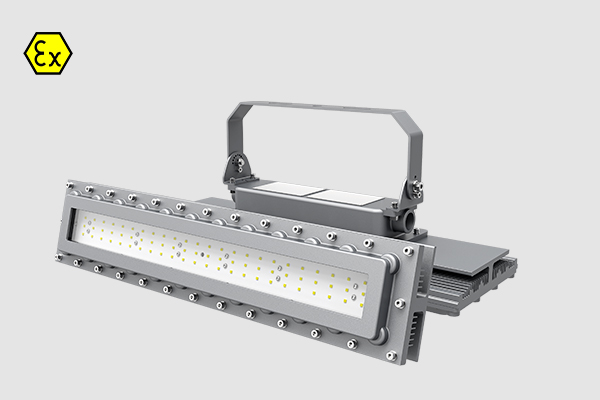
LN-02 explosion-proof lights obtained an IECEx ATEX certificate, it's safe for the Zone 1 and Zone 2 hazardous locations. The copper-free aluminum alloy body is powder-coated to increase durability and beautiful appearance, are able to withstand violent shaking and shock resistance.
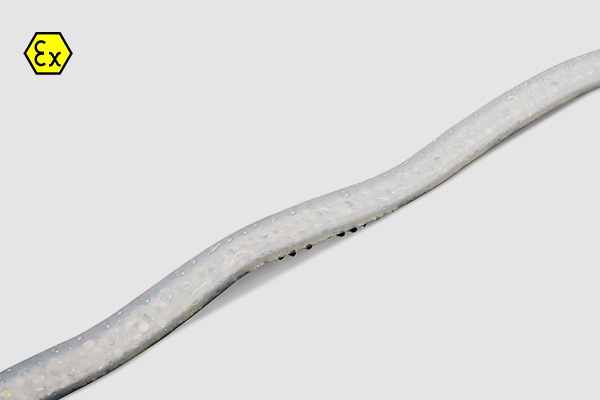
an innovative line of LED hazardous area lighting products, specifically designed for use in potentially explosive atmospheres (Zone 1/21 & 2/22) within harsh industrial settings such as coal mines and oil & gas facilities.
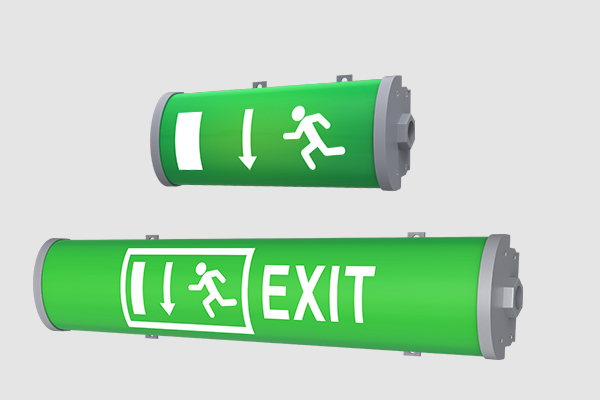
Explosion-proof safety exit lamps are for personnel evacuation, and fire operations to provide lighting fire emergency lamps! It usually uses an external power supply, when the power automatically switches to the battery power state!

Monday, 22 August 2022 08:22
20W Explosion Proof Exit Lighting - Zone 1 Zone 21 - Voltage 100V-277V
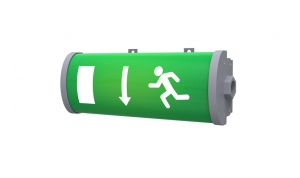
This Explosion Proof emergency lighting is designed for Zone 1, Zone 21 hazardous locations as the exit sign, it is available as an AC (100V - 277V) version.
Applications: In harsh and hazardous environments where illuminated exit signs are required.
ATEX: EN IEC 60079-0-2018; EN 60079-7-2015; EN 60079-18-2015; EN 60079-31-2014;
IECEx: IEC 60079-0-2017; IEC 60079-7-2015; IEC 60079-18-2014; IEC 60079-31-2013;
IECEx & ATEX :
- “CAUTION-USEFASTENER WITH YIELD STRESS ≥ 640 MPa”;
- “WARNING – DO NOT OPEN WHEN ENERGIZED”;
- “WARNING – DO NOT OPEN WHEN AN EXPLOSIVE ATMOSPHERE IS PRESENT”;
- “WARNING – ONLY USE CABLES SUITABLE FOR 85°C”;
- " WARNING - DETAILED TEMPERATURE CLASS - SEE INSTRUCTIONS”;
- “THE FLAMPROOF JOINTS ARE NOT INTENDED TO BE REPAIRED”;
- End user shall use certified cable gland or conduit with suitable type of protection for final installation purpose;
- External earthing wire shall be connected when used and the cross-sectional areashall be more than 4mm2 or 10AWG;
- Under rating condition, maximum temperature on the luminaire’s shell shall not be higher than 130℃ for T4.Temperature at cable inlet shall not be higher than allowable limit of the cable applied, to ensure the cable operation normally. The branch point is 83.6℃ and cable entry point is 69.4℃.
Features
- Industry-leading efficacy: up to 120lm/W±5
- -40°C to +45°C /50°C /55°CAmbient operating temperature
- Wide optics for uniform illumination
- 5 years warranty
- Entry Size: M25Χ1.5 or NPT 3/4”-14
- Material : Aluminum alloy (ADC12 ) + PC
Parameters
- Power: 20W
- Voltage: AC100-277V, 50/60Hz
- Power factor: 0.97
- Lumen flux: 2400LM
- CCT: 2700K - 6500K (Optional)
- LEDs: 3030 (6V)
- LED Driver: High efficiency driver
- Dimension: 329 mm x 125mm x 88.7 mm
- Weight: 2.5KG (1 Foot)
Certificate & Standard
Have certified CES-EX-LN-02P fixtures with the IECEX and ATEX standards for hazardous location and environments.
ATEX:
- II 2G Ex eb mb IIC T5…T6 Gb
- II 2D Ex tb IIIC T**°C
- IP66
- Certificate No:SEV 21 ATEX 0578 X
IECEx:
-
• Ex eb mb IIC T5…T6 Gb;
• Ex tb IIIC T**°C;
• IP66
• Certificate No:IECEx SEV 21.0038X
Amounting
Versatile mounting options:
- Wall Ceiling mounting
Published in
Explosion Proof Emergency Exit Light
Tagged under
Wednesday, 03 August 2022 01:49
CES-EX-LN-02P Explosion Proof Linear Light

Published in
Download
Tagged under
Saturday, 09 July 2022 01:16
EX-proof Fluorescent lamp VS CESP Ex-proof linear luminaries.
Testing!!! in Singapore.
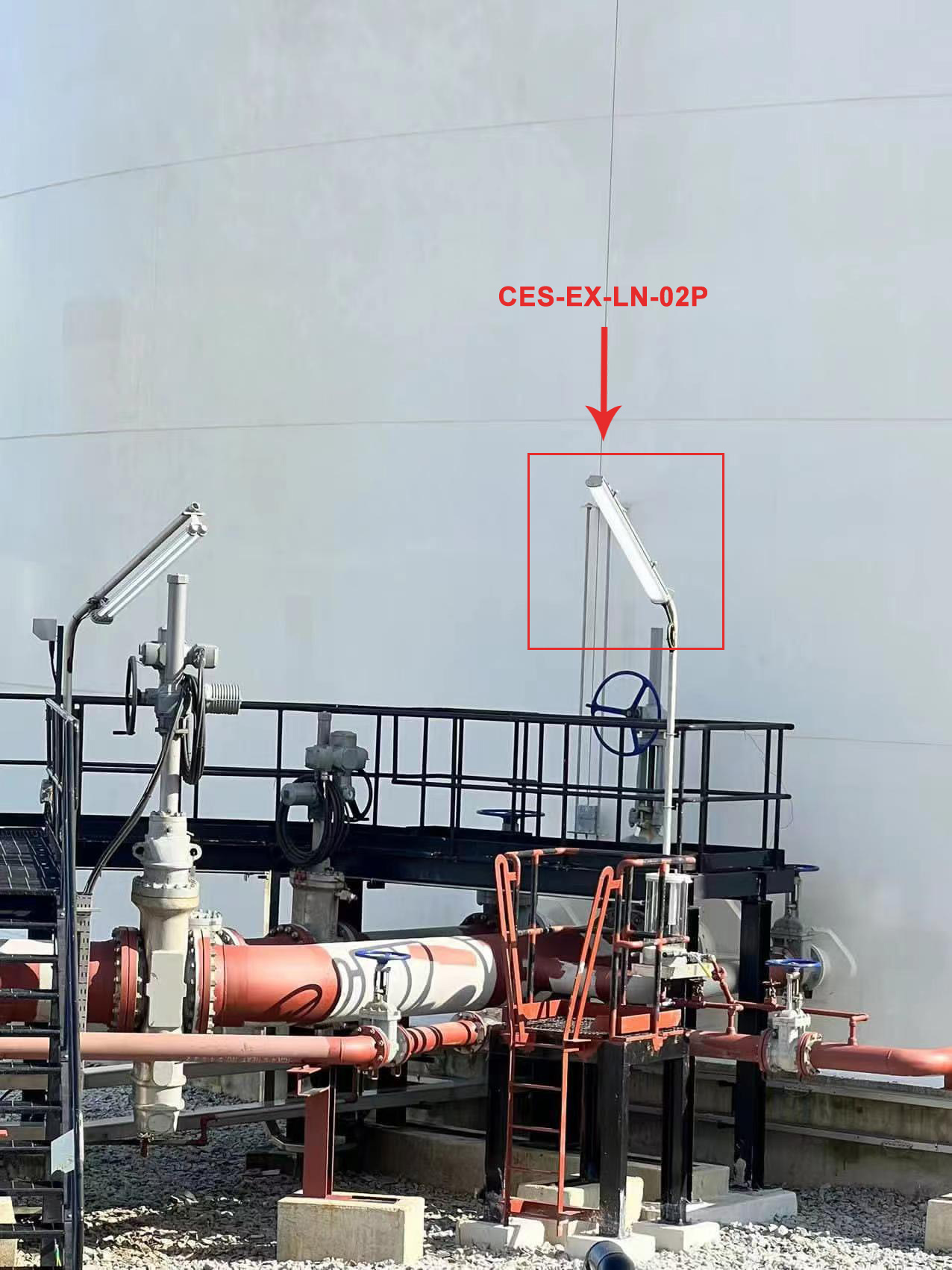
EX-proof Fluorescent lamp VS CES-EX-LN-02P-40 Ex-proof linear luminaries.
Published in
Our Cases
Tagged under
Friday, 08 July 2022 01:14
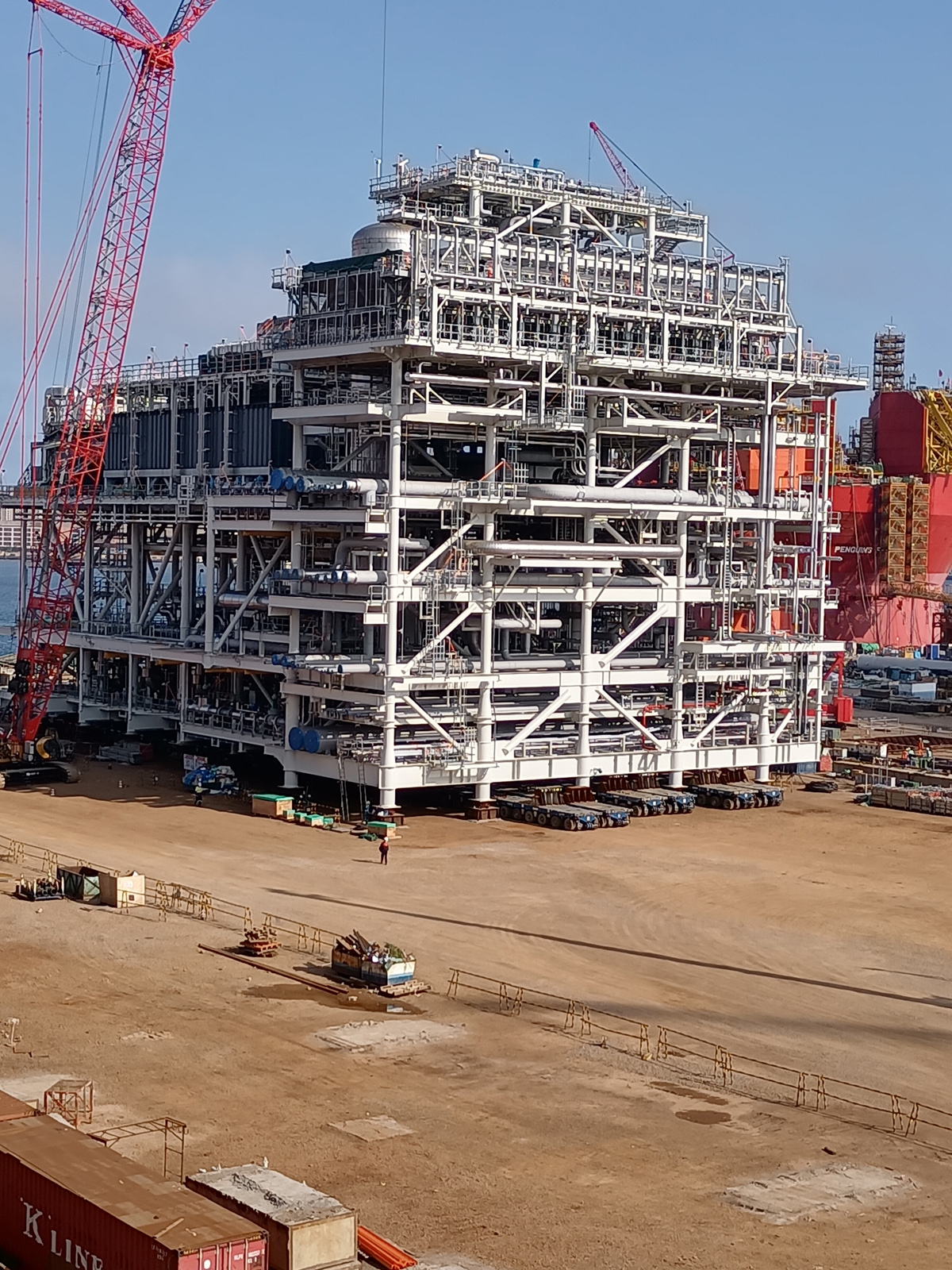
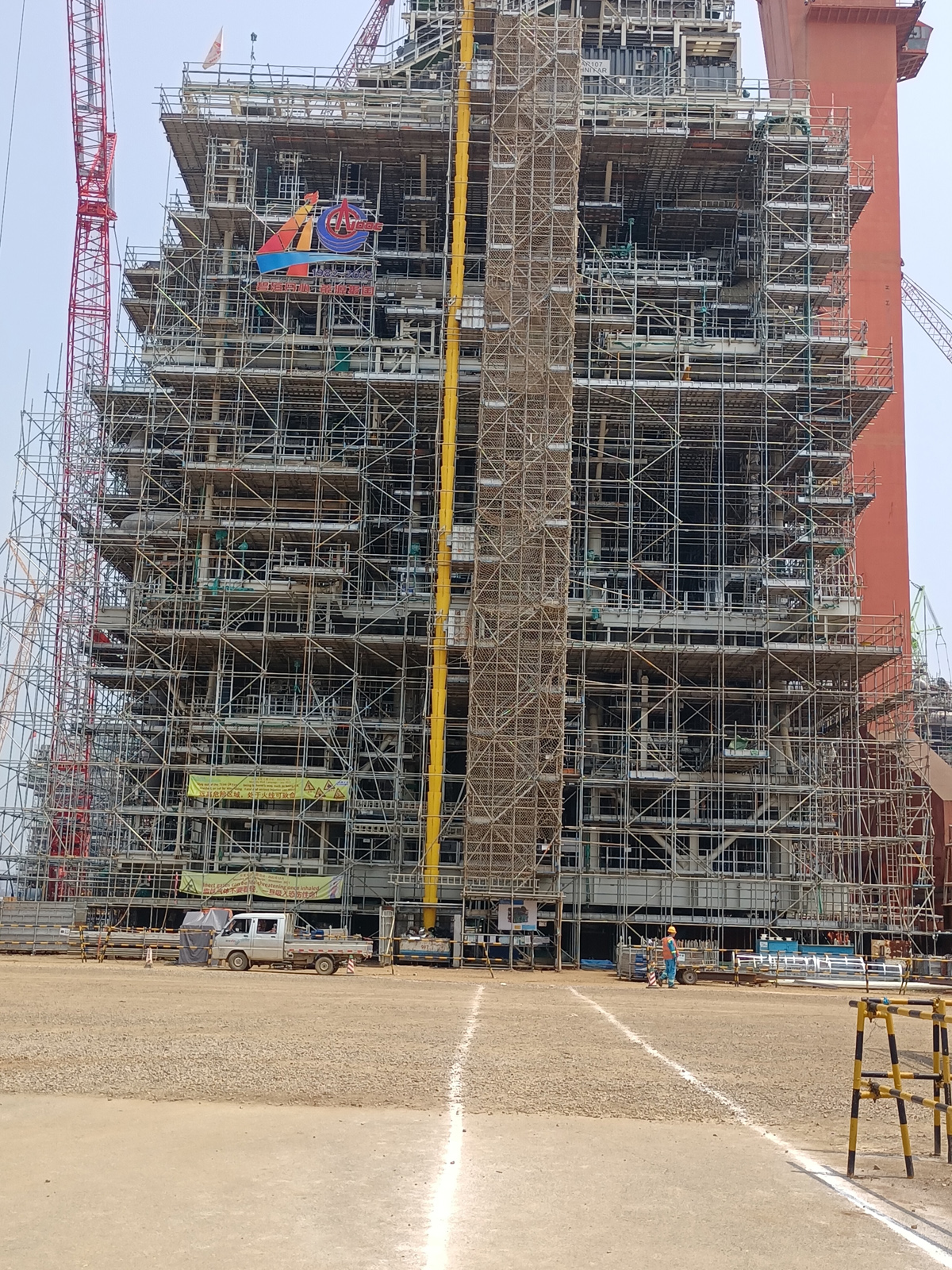
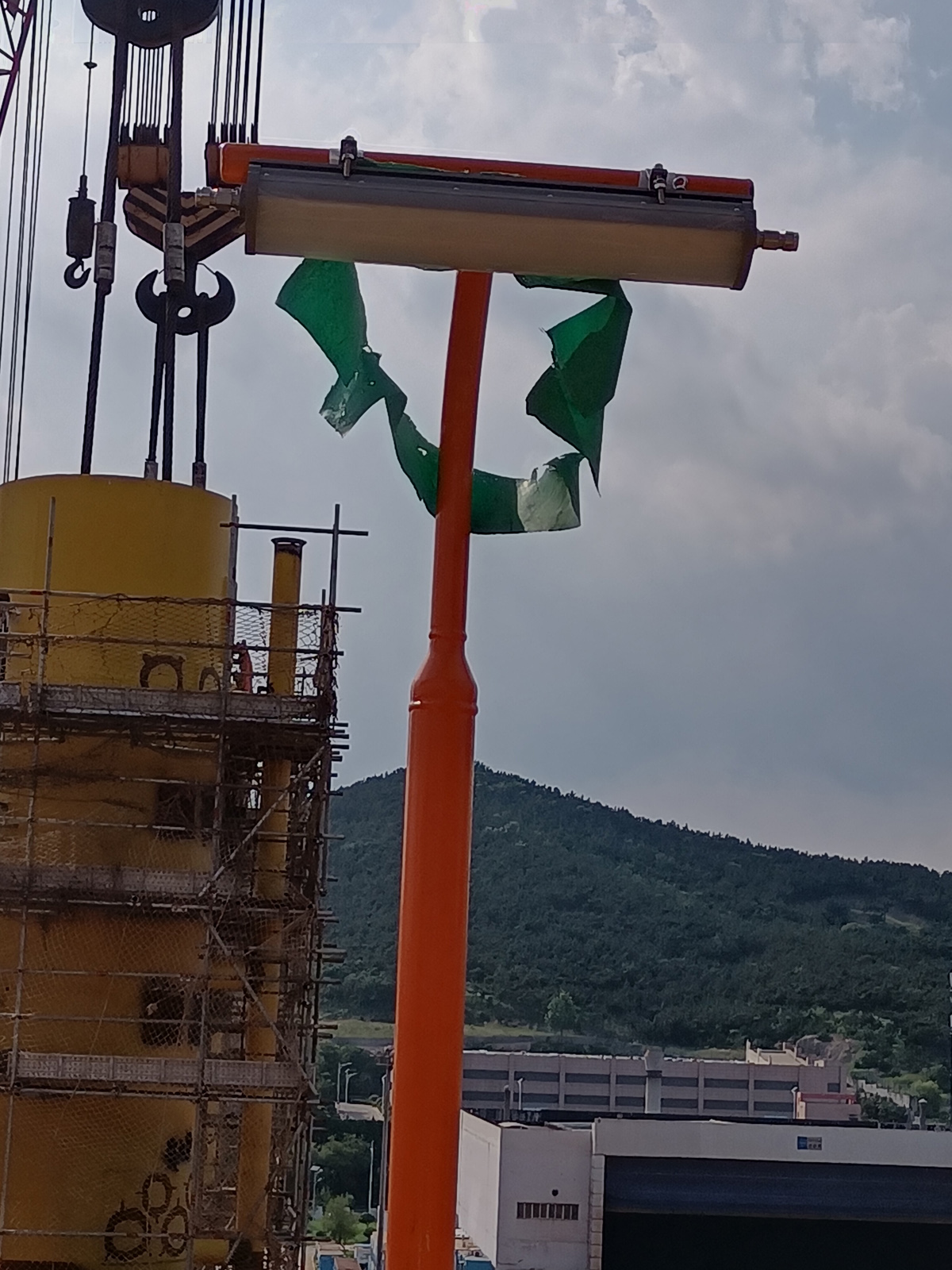
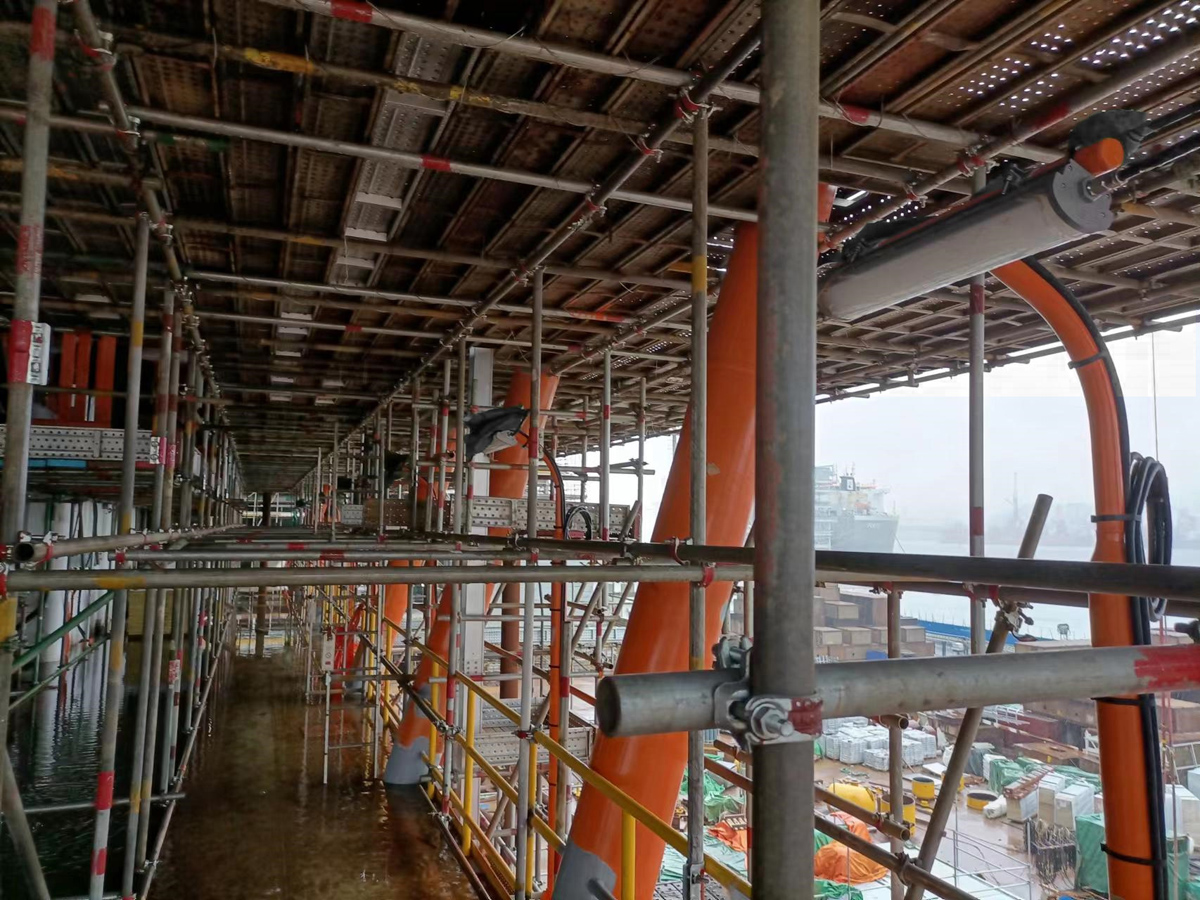
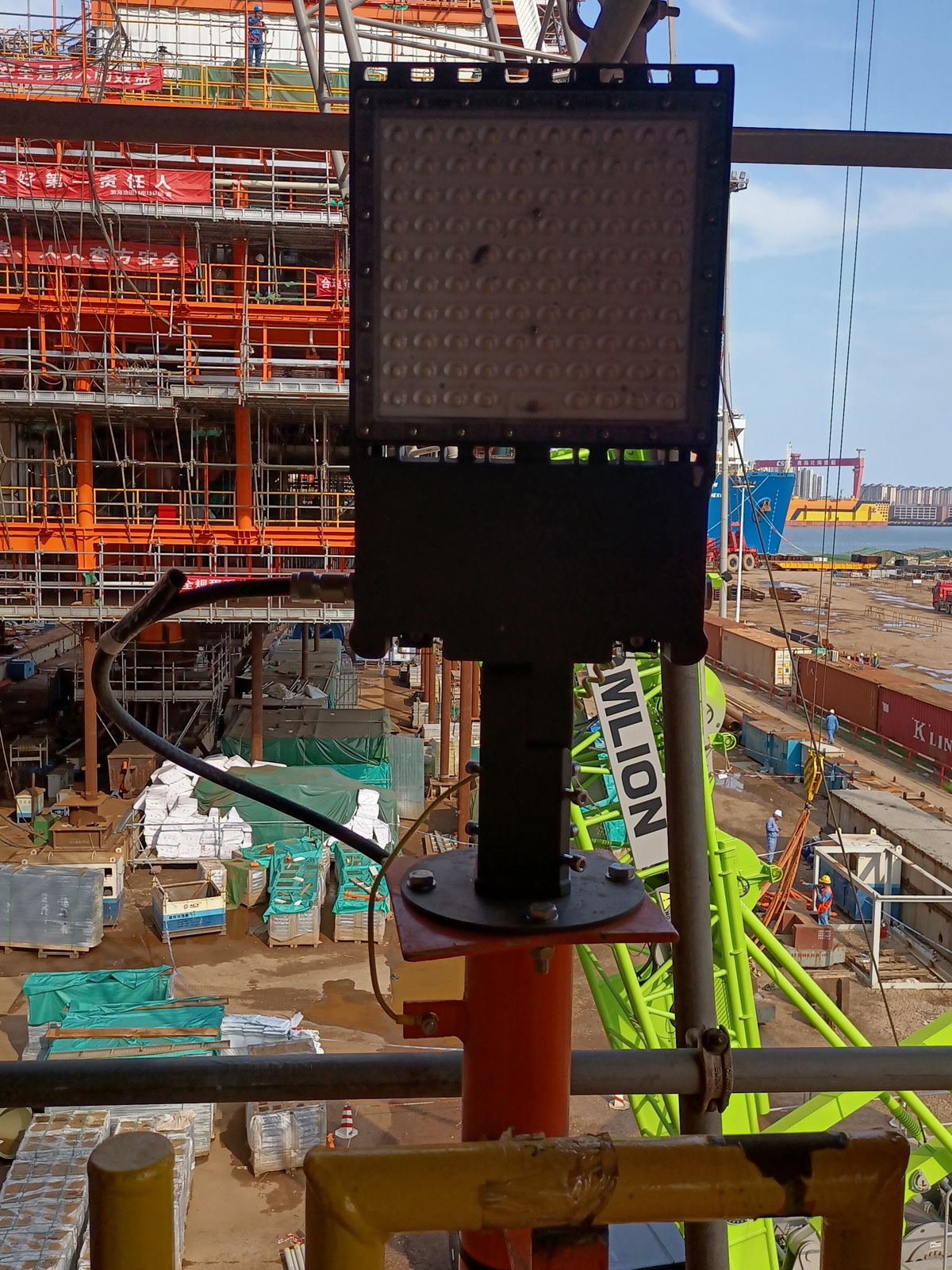
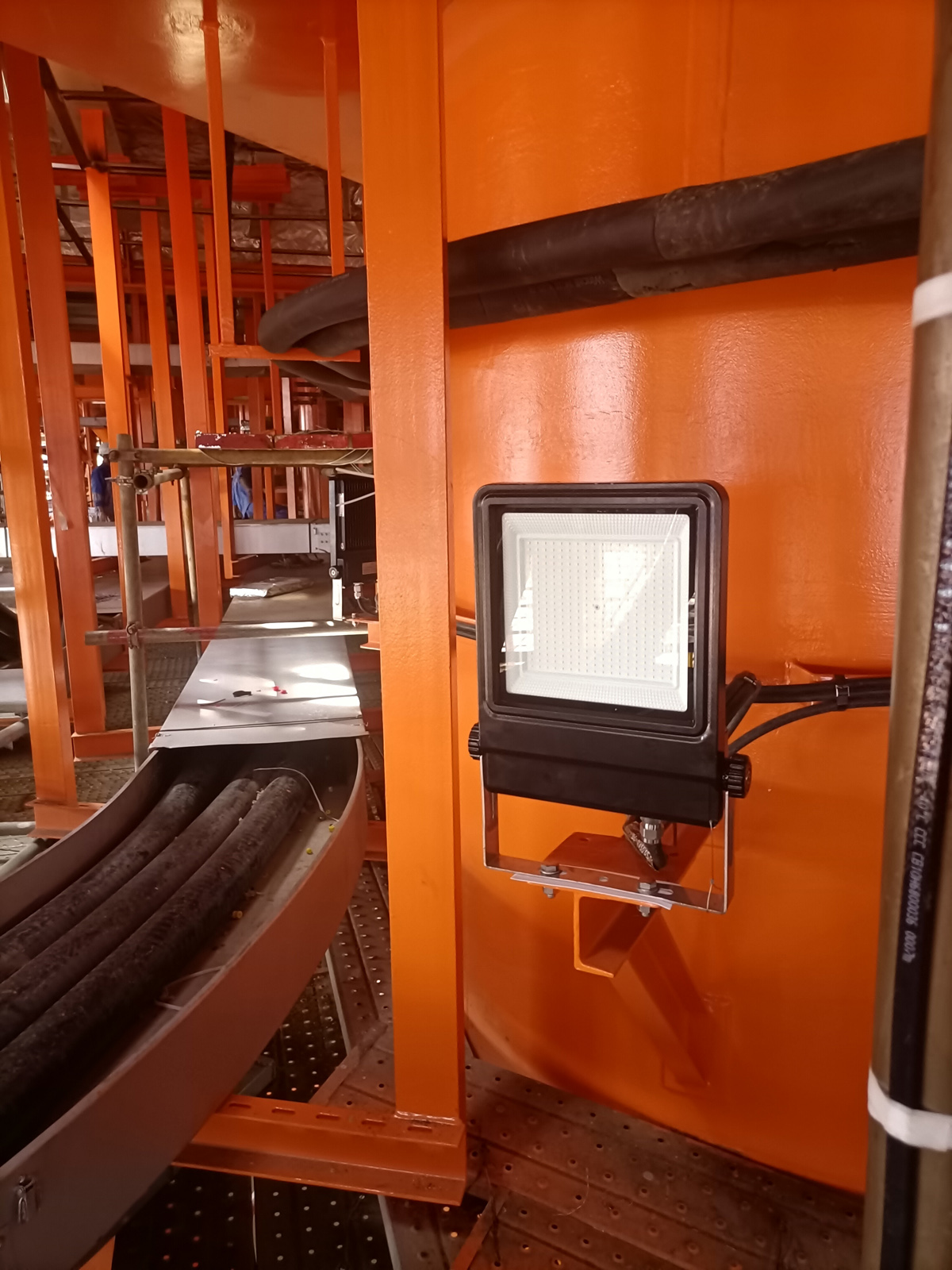
CNOOC - Oilfield & Offshore Lighting Engineering Project
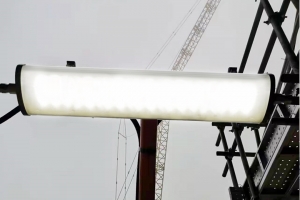
This lighting project is for CNOOC in China. The luminaries including below,
CES-EX-LN-40P Explosion proof LED linear Light
CES-FG-02-120 Explosion proof LED Floodlight
CES-HB5-200 Explosion proof LED High Bay
Published in
Our Cases
Tagged under
Thursday, 07 July 2022 08:29
Explosion Proof Flood Light - Class 1 Division 2 - 240W/300W/370W
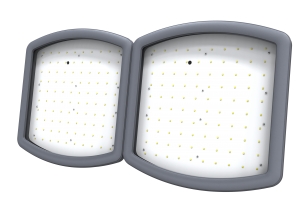
Applications:
• Wastewater treatment, oil and gas refineries, drilling rigs, petrochemical facilities, food and beverage facilities, tunnels, outdoor wall and stanchion mounted general area lighting, and where flammable vapors, gases are present.
• Applies to hazardous locations of Class I, Division 2 with explosive gas atmosphere.
• Applies to marine locations, non-recessed outside type (salt water).
Warning:
CUL for Hazloc:
- SUITABLE FOR WET LOCATIONS;
- THIS LUMINAIRE IS ACCEPTABLE FOR OPERATION IN AMBIENT CONDITIONS NOT EXCEEDING 40°C;
- FOR SUPPLY CONNECTION, USE WIRES RATED FOR AT LEAST90°C;
- NO SERVICEABLE PARTS” OR “NO USER SERVICEABLE PARTS. DO NOT OPEN FOR CLEANING.;
- CAUTION - ″TO REDUCE THE RISK OF IGNITION OF HAZARDOUS ATMOSPHERES, DISCONNECT THE LUMINAIRE FROM THE SUPPLY CIRCUIT BEFORE OPENING. KEEP TIGHTLY CLOSED WHEN IN OPERATION.″;
- THIS PRODUCT MUST BE INSTALLED IN ACCORDANCE WITH THE APPLICABLE INSTALLATION CODE BY A PERSON FAMILIAR WITH THE CONSTRUCTION AND OPERATION OF THE PRODUCT AND THE HAZARDS INVOLVED;
- “CAUTION – RISK OF SHOCK” and “DISCONNECT POWER BEFORE SERVICING”.
UL for marine locations:
- OUTSIDE TYPE or OUTSIDE TYPE (SALT WATER);
Features
- Industry-leading efficacy: 120 - 140LM/W
- -40°C to +55°C Ambient operating temperature
- Wide optics for uniform illumination
- Entry Size: NPT 3/4”-14 ;
- Housing –Aluminum alloy (ADC12 );
- Lens –tempered glass
- Beam angle: 108°, 120°
- Dimension: 400x400x169mm
- Weight: 22kg
Parameters
- Power: 240W / 300W / 370W
- Input voltage: AC100-240/277V, 50/60Hz
- Power factor: 0.97
- CCT: 3000K/4000K/5000K/5700K/6500K
- LEDs: 3030
- LED Driver: Meanwell HLG series
Certificate & Standard
Have certified CES-J fixtures with the NEC and CEC standards for hazardous location and environments
- Class I, Division 2, Groups A, B, C and D
- T-Class: T5
- Damp and wet locations
- Certificate No:E475887
- US: UL 844; UL 1598A;
- Canada: CSA C22.2 No. 137; CSA C22.2 No. 250.0;
Mounting
Versatile mounting options:
- Universal installation
- Mounting Angle:0°to ±90°;
Published in
Hazardous Locaiton LED Flood Light
Tagged under
Thursday, 30 June 2022 07:56
Explosion-proof cable gland types
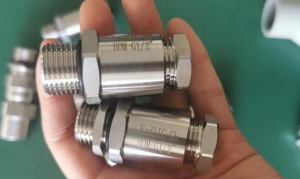
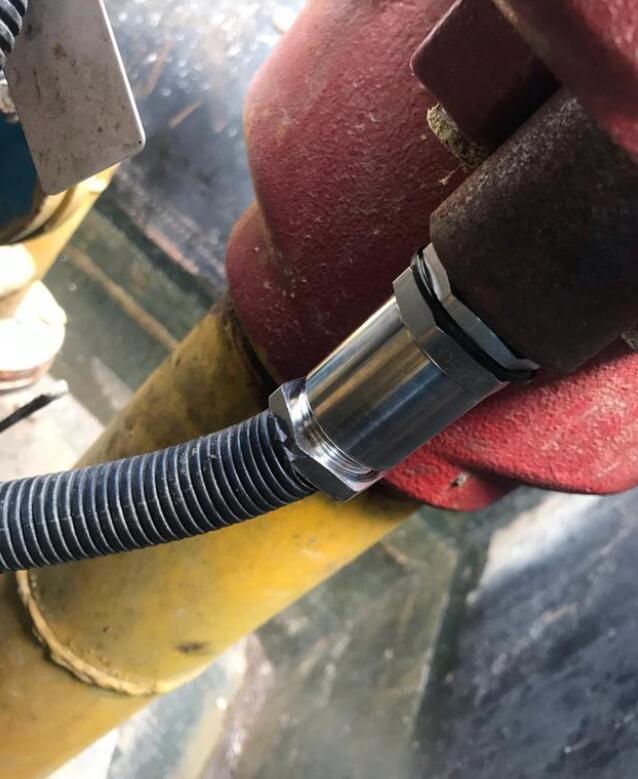
Explosion-proof sealing connector are also called explosion-proof cable glands, which are used for tightening and sealing of cables of explosion-proof equipment.
Thread specifications are divided into the following four types:
Metric M thread, German PG thread, American NPT taper thread, Imperial G(PF) pipe thread
The most common demand is M thread. Among the specifications, M12, M20, M25, M32, M63, M72, M75, etc., the common pitch is 1.5 and 2.
There are also some threads that are not conventional and need to be customized, such as reducing-diameter explosion-proof cable glands. The specifications at both ends are customized according to the interface specifications of the introduction device of the explosion-proof equipment on site.
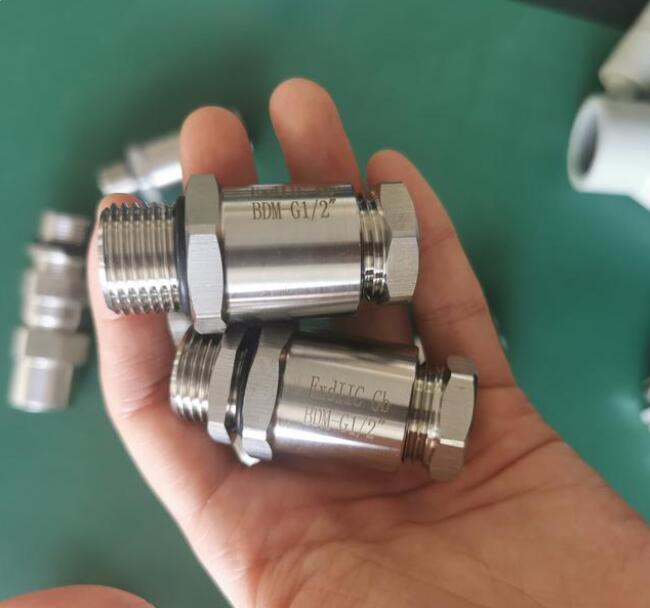
For unconfirmed specifications and sizes that need to be purchased, you should confirm with the seller, because generally non-standard customized specifications of explosion-proof cable glands cannot be returned after sale, so if the purchase quantity is large, it is best to order samples to confirm that they are correct, and then place bulk orders.
The product is generally made of S304 stainless steel, with unique explosion-proof function, special design of clamping melon and clamping ring, large clamping cable range, strong tensile strength, waterproof, dustproof, salt resistance, weak acid resistance, Alcohol, oil, fat and general solvents.
The following is the size comparison table of inch thread (G), metric thread (M), American thread (NPT) and German thread (PG)
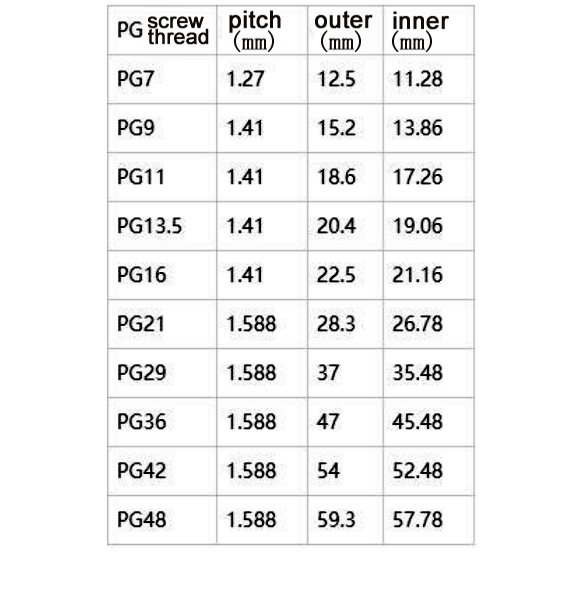
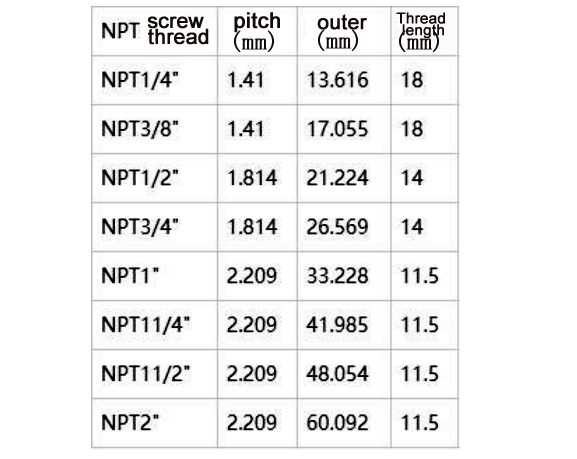
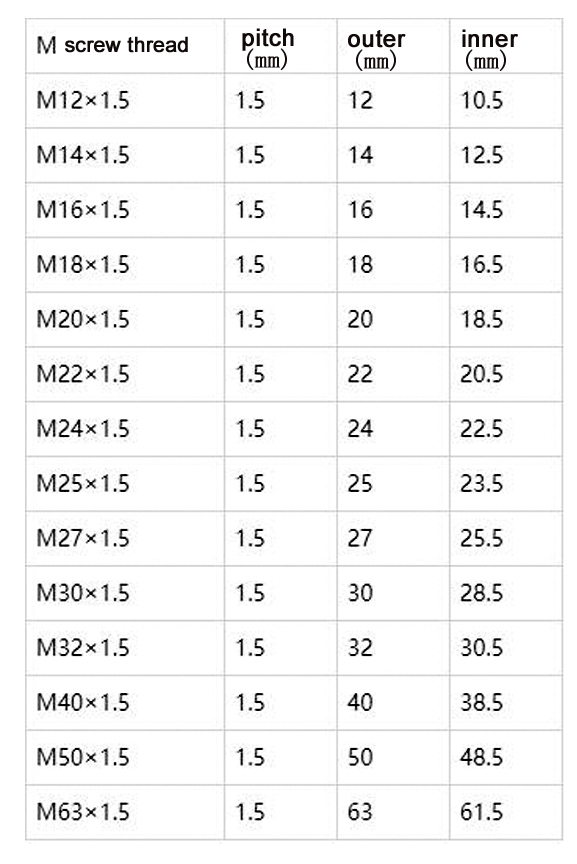
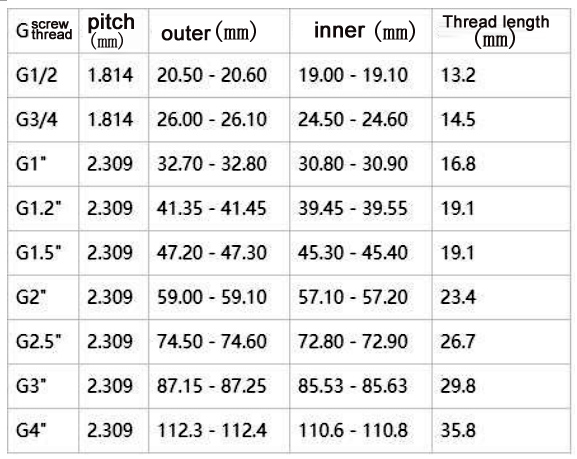
CESP provides customized explosion proof cable glands of 316 stainless steel, high temperature resistant, flame retardant, etc. Protection level: within the specified bayonet range, and use the sealing ring to tighten the tightening head to reach IP68-5 Bar.
Welcome to contact us!
Published in
CESP Ex Wiki
Tagged under
Wednesday, 22 June 2022 06:29
How to design the retricted breathing lamps (ex-proof “nR”)
Restricted breathing lamps are a kind of "n" type explosion-proof products. They are used in enviroment with potentially explosive gas atmospheres in Zone 2. They are the same as increased safety lamps in terms of use, but their light source types are higher than that of increased safety lamps. The weight is lighter than that of flameproof lamps, but the scope of use is not as wide as that of flameproof lamps. It has the characteristics of light weight and various types of applicable light sources. It is undoubtedly an economical and easy-to-use product for use in places where good lighting is required in zone 2.
According to IEC/EN 60079-15 Type of Protection “ n ”
Electrical installations designed so that ignition is unlikely to occur in normal or abnormal operation. The gas explodes. The main protection methods are classified as follows.
- nA: Non-Sparking
- nC: Enclosed-Break (blocked), Hermetically-Sealed (metallicor glass tight seal), Non-Incendive (non-incendive), Sealed device (sealed)
- nR: Restricted Breathing Enclosure
This new type of product has many novelties in explosion-proof mechanism, characteristics, inspection difficulties and design. Only when designers and users understand these can they be well designed and used.
Part.1 Explosion-proof mechanism for the Restricted breathing lamps
To understand the explosion-proof mechanism of the restrictive breathing lamp, we must first understand where it is used, and understand where to start with this product to consider the explosion-proof structure treatment.
Restricted breathing lamps have certain restrictions on the use of this kind of lamp, which is only allowed to be used in places with potential explosion hazard gas environment 2, that is to say, the place where this lamp is used is relatively less dangerous. In normal operation, there are no explosive hazardous substances in the environment, including gases, vapors and mist, and dangerous explosive gases, vapors or mist will appear only when they fail, and the chance of such failure is very small, and even if there is a failure, the time of failure is very short. It is precisely because of the particularity of the use environment that this kind of lamp only needs to prevent the danger of dangerous substances in rare cases and the duration of dangerous substances is extremely short. Therefore, the shell of this kind of lamp is to limit the amount of gas, vapor and mist entering, rather than preventing gas, vapor and mist from entering.
When the lamp is working normally, the calorific value of the internal light source is relatively high, which will cause the internal gas to expand and form a positive pressure in the light source cavity of the lamp. Due to the formation of positive pressure, the internal gas leaks out. When the lamp is out of use, the inside of the lamp will gradually cool down. At this time, due to the temperature drop in the lamp, the gas volume is reduced. At this time, the air volume in the lamp is smaller than that in the initial state of the lamp, which causes the inside of the lamp. of negative pressure. If the lamp does not take protective measures, and an accident happens at this time, there is a leakage of dangerous substances, then the dangerous substances may enter the lamp. When the lamp is used again, the high temperature inside the lamp may ignite the explosive gas, vapor or mist existing in the lamp, resulting in a dangerous accident. Restricted breathing lamps are based on this characteristic of lamps, and the light source and its related electrical components are put into restricted breathing enclosures. A restricted breathing enclosure is a type of enclosure that restricts the entry of gases, vapors and mists. That is to say, a restricted-breathing luminaire is a luminaire product with a special housing. This product increases the ability of the housing to restrict the ingress of gases, vapors and mists, so hazardous substances do not enter the luminaire for a short period of time. Of course, if the accident lasts for a long time, there will be danger. Therefore, for this kind of lamps, corresponding measures have been taken to further increase the safety. First of all, its use place is limited, and it is only allowed to be used in Zone 2, so that due to the short maintenance time of the accident, the number of accidents is less, and the chance of danger is reduced. At the same time, strict performance inspections have been carried out for the dangerous components in the casing, such as ballasts, lamp sockets, starters, etc., to ensure the safety and reliability of the components. In this way, this explosion-proof lamp is safe.
Before the emergence of restricted breathing lamps, there were two commonly used lamps in the explosion-proof lamps family: explosion-proof lamps and increased safety lamps. Explosion-proof lamps can be used in areas with potentially explosive gas atmospheres in Zone 1. This kind of lamp mainly uses the high strength and explosion-proof property of the product shell to achieve the purpose of explosion-proof, allowing accidents in the surrounding environment and dangerous substances in the lamp. It uses the strength of the lamp shell to prevent the pressure generated by the internal explosion of the lamp from damaging the lamp body and ignites the surrounding environment, and at the same time uses the extremely small gap between the metal joints of the shell to prevent the flame in the lamp from igniting the surrounding flammable substances; Lamps are also a kind of explosion-proof lamps that are widely used. This kind of lamps is designed by adding a series of safety measures, such as increasing the electrical clearance and creepage distance, increasing the protection level of the shell, and using explosion-proof lamps where sparks may occur in the lamps. Measures to deal with, limit the temperature level of lamps, etc. to achieve safety purposes. In my country, most of this type of explosion-proof lamps are used in Zone 2, and only increased safety single-plug fluorescent lamps are allowed to be used in Zone 1.
Through the above description, it is not difficult to find that the restricted-breathing lamps achieve the purpose of explosion-proof by restricting the entry of explosive gas, vapor or mist into the interior of the lamp body through the good sealing of the shell; And high-strength shell to achieve the purpose of explosion-proof; increased safety lamps and lanterns by increasing the safety of the lamp itself to achieve the purpose of explosion-proof lamps. Therefore, these three lamps each have different characteristics.
Part.2 The Feature of the Restricted breathing lamps
Through the description of the explosion-proof principle of restricted-breathing lamps, it is not difficult to find that restricted-breathing lamps mainly improve the reliability of internal components, at the same time increase the protection capability of the shell, and limit their use places. This also determines its different characteristics from other explosion-proof lamps.
First of all, due to the requirements for limiting the protection capability of the internal components and shells of the breathing lamps, the restricted breathing lamps have higher requirements on the selection of internal components: they must be components with reliable performance and firm connections. After the components are selected, the main hazards of this kind of lamps are the limited breathing ability of the shell and the heating problem of the product surface. Therefore, the measurement of the surface temperature in the inspection is to select the surface of the lamp body, which is the same as the explosion-proof product, which also forms a great advantage compared with the increased safety lamps.
The increased safety lamp is to increase the safety of all parts of the lamp, including the temperature limit. Therefore, the temperature measurement of the increased safety lamp is to detect the high surface temperature of each component inside the lamp, so that when the increased safety lamp determines its temperature group The temperature is determined by measuring the high temperature points on the surface of the light source. Therefore, the heat generation of the increased-safety lamps is very high, and their applicable range is narrow. Those flammable gas environments with low ignition temperature are not suitable for the use of increased-safety lamps. It is precisely because the safety-enhancing lamps and lanterns are considering the safety of the internal components of the lamps and lanterns, which have certain restrictions on the use of light sources. In the national standard currently used in my country, only cold-start fluorescent lamps, incandescent lamps and self-ballasted fluorescent lamps are allowed. Light bulbs that ignite for a short time after being broken (verified that the short-term high temperature of the bulb does not cause danger). From the restrictions on the increased safety lamps, it is not difficult to find that the restricted breathing lamps and lanterns use the restricted breathing type casing, so when measuring the surface temperature of the lamp, the temperature of the outer surface of the lamp is measured. In this way, under the condition of good lighting design and good heat dissipation, it is easy to reduce the surface temperature of the lighting and broaden the use range of the lighting. While reducing the surface temperature of the lamps, the types of light sources used by the lamps are also increased. Since the housing is of a restricted breathing type, the interior of the luminaire is relatively safe, so most of the light sources can be used except for those light sources that are dangerous to the luminaire itself. Restricted breathing lamps can use incandescent, mercury, sodium and metal halide lamps as well as fluorescent lamps. In this way, the illuminance of the restricted breathing lamps is greatly increased. Some lamps that need high illumination and high heat generation hanging at the height of the workshop can completely use the restricted breathing lamps, because it is easy to form a zone 2 dangerous place at the height of the workshop.
Secondly, since the restricted breathing type luminaire only needs to have the restricted breathing capacity of the outer casing, it does not need to make the outer casing as thick as the flameproof type lamp, making the lamp very heavy. In this way, in some places that require high illuminance and low degree of danger, restricted breathing lamps can completely replace explosion-proof lamps, because they are lighter than explosion-proof lamps, but they can use the same light source and have the same temperature group. do not. Of course, it cannot be used in Zone 1 hazardous locations, and the scope of use is small, which is incomparable with explosion-proof lamps.
To sum up, the restricted breathing lamp has the characteristics of low external heat generation, wide applicable temperature range, relatively many types of light sources, and relatively light shell.
Part.3 Inspection Difficulties for the Restricted breathing lamps
From the explosion-proof principle and characteristics of restricted breathing lamps, it is not difficult to find the main problems in their inspection.
First of all, the restricted-breathing lamps have high requirements on the performance of the internal components, so the inspection of the internal components of the lamps in the inspection is quite cumbersome. Mainly focus on the inspection of ballasts, lamp sockets and starters. It is mainly the inspection of the ballast and the starter, including the high-voltage pulse test of the ballast and the performance inspection of the starter seat, which not only costs high test costs, but also takes a long time to test.
Secondly, it is a difficult point in the inspection that the enclosure of the restricted breathing luminaire restricts the breathing ability. For longer joints in luminaires, it is difficult to pass the test of the restricted breathing enclosure. Because during the test, it is required to evacuate the shell to -3
kPa, and then rely on the sealing performance of the shell itself so that it does not drop to 1.5kPa within 3min. This test has very strict requirements on sealing and requires very good elasticity of the gasket. In the large number of experiments we have conducted, not a single unit has passed the test at one time, and all of them are continuously improved in the experiment, so as to finalize the final product design.
Part.4 Some techniques that can be used in design of the Restricted breathing lamps
Through the above analysis, several suggestions are put forward for the design of restricted breathing lamps.
First, because of the reduction in the joint surface that restricts the breathing shell. The more surfaces a restricted breathing enclosure has, the more leak points it will have. Conversely, the fewer surfaces a restricted breathing enclosure has, the fewer leak points it will have, so that the chance of passing the restricted breathing enclosure test is better. bigger. Even if there is a leak, it is easy to identify the leak and remedy it.
Second, reduce the length of the joint surface. Due to the high degree of sealing required by the restricted breathing type housing, the longer the distance of a joint surface, the more leakage points. To seal, the sealing distance must be reduced, so that the number of fasteners will increase, which will be difficult to install and disassemble. Add trouble.
Finally, avoid the difficulty in testing. During the inspection, the inspection of some internal components is quite time-consuming; it will also cost a lot of inspection funds, and we can also try to avoid it in the design.
The following takes the restricted breathing lamps as an example to illustrate the design points of the restricted breathing lamps.
- Pay attention to the design of the lamp body, which can reduce the high surface temperature of the lamp. The metal part of the lamp should be as large as possible, and the light source should be wrapped in metal as much as possible. Using the principle of parabolic focus, the light should be reflected as much as possible through the lamp body. If there is a reflective umbrella, you can consider the reflective umbrella as close to the lamp body as possible. The body dissipates heat.
- In designing the bonding method between the transparent part and the lamp body, the adhesive structure should be considered. Because the joint surface between the transparent part and the lamp body is generally the long joint surface of the lamp, and the problem of rubber aging is easy to occur due to heat generation, it is not suitable to use rubber material for sealing. The surface temperature of the lamp body is a better sealing measure. In this way, this interface can be easily passed during the restricted breathing type enclosure test. However, when using the adhesive, it is necessary to consider the heat-resistant temperature of the adhesive and the damage to the transparent parts of the lamp due to different thermal expansion rates. Usually, the solution to the different thermal expansion rates of adhesives is to add additives of other materials to the sealant, so that the thermal expansion of the glass has a certain space without damage.
- Only the light source: wiring socket and lamp socket are installed in the restricted breathing housing, and the starter and ballast are treated with other explosion-proof measures, which can greatly reduce the production cost and inspection cost.
- The light source is taken out from the rear of the lamp body or from the side. This reduces the number of luminaire joints and the length of the joints. Lamps generally have three joint surfaces, the transparent part and the lamp cover, the lamp cover and the lamp body, and the lamp body and the junction box cover. Among them, the joint surface between the lamp cover and the lamp body is often used as the place to replace the light source, but this joint surface is relatively large. Due to the need for replacing the light source, the fasteners are not easy to be too many, which forms a contradiction and limits the breathing test. difficult to pass. If the light source is considered to be removed from the rear for replacement, the length of the joint will be greatly shortened, and the joint can be easily sealed with four fasteners. If you are afraid of the performance problem of the lamp caused by the high temperature of the lamp holder caused by taking out the light source from the rear, you can consider dividing the reflector of the lamp into two parts. The large part is fixed and will not be taken out when the light source is taken out; The part is movable and integrated with the lamp holder, when the light source is taken out, it is taken out with it. Its main function is to reflect the light hitting the lamp holder, so that the temperature of the lamp holder is lowered, and at the same time, the sealing material is placed in a low temperature place, which can well prevent the aging of the rubber material.
- The choice of sealing material: the sealing material used to seal the restricted breathing enclosure is difficult to choose, and some customers have to repeatedly select a better material when conducting experiments. Of course, high temperature resistance, aging resistance, good material elasticity and good recovery are the main conditions for material selection.
- The choice of sealing structure: the sealing structure adopted by most enterprises is usually face sealing. Rubber is sandwiched between the two planes, and this structure has great disadvantages. First of all, it is caused by poor plane processing. Due to poor plane processing, the flatness cannot meet the requirements. In places far from the fasteners, the sealing is often not tight due to uneven force; secondly, the installation hinges do not match. It causes the upper and lower hinges to struggle with each other, and it is not easy to press the gasket at the place where the hinge is installed, which is easy to cause leakage. At present, a better sealing method is to use wire sealing, and make a protrusion for wire sealing on one side of the joint surface, and then press it with a fastener. This kind of sealing effect is better.
Published in
CESP Ex Wiki
Tagged under
Thursday, 16 June 2022 07:02
paint booth explosion proof lighting solution
Part.1: Why do spray booths use explosion-proof lights?
We all know that paint is a flammable chemical. When the paint reaches a certain concentration in the air, it will burn and explode when it encounters a high temperature open flame. The spray booth is a place where paint does not exist all the time.
The fire hazard of the spray booth is related to the type of paint used, the spray booth method and usage, and the conditions of the spray booth. When flammable paints and organic solvents are used, the danger of explosion and fire is high. Explosion and fire accidents will cause serious loss of life and property, and seriously affect the normal production.
Explosion-proof lamps refer to fixture that take various specific measures to prevent the ignition of surrounding explosive mixtures such as explosive gas environments, explosive dust environments, and gas gases. That is to say, the led explosion-proof lamp is in contact with the explosive gas, there is no possibility of combustion and explosion, and it can play an explosion-proof effect.
Part.2: What are the precautions for the spray booth lighting?
Appropriate illuminance is a very important indicator for the spray booth. Its importance is reflected in: for some workpieces with relatively flat painted surfaces and relatively simple structures, it is acceptable to have a slight lack of illuminance, but for some workpieces with complex structures, if the illuminance of the light source is insufficient, it will be very difficult. It may cause a series of painting problems such as excessively thick, too thin, missing, and flowing paint in some local areas.
Matters needing attention for light source lighting in the spray booth:
First, let’s take a look at the requirements of the spray booth for natural light sources. The light source does not only refer to artificial light sources. If there are natural light sources, natural light sources should be the main ones, but sunlight cannot be directly irradiated on the paint surface. The effect has a greater impact. We can use the baffle to avoid direct sunlight and make the light softer, but it cannot affect the overall lighting, and pay attention to the direction of the light, so that it cannot be easily irradiated to the eyes of the sprayer. Sometimes it is difficult to ensure sufficient light source for natural light. Generally speaking, the area of the window used for lighting should not be less than 20% of the illuminated area.
Second, even if the lighting window is of the right size, it is difficult to ensure sufficient illuminance, because natural light sources are not stable, and in this case, the provision of artificial light sources is essential. When configuring artificial light sources, we must first consider saving, not only to ensure sufficient illuminance, but not to pursue too high illuminance. In order to save the energy consumption of artificial light sources, it is also necessary to control the reflectance inside the spray booth. Generally speaking The reflectivity of the ceiling is generally required to reach more than 85%, and the reflectivity of the wall is generally required to be 60%-70%. Therefore, the ceiling and walls of the spray booth we see are generally white and smooth, and the ground generally requires a reflectivity of 20%. %-30%, this is because the ground has less influence on the illuminance than the ceiling and walls. Generally, the ground of the spray booth is made of non-slip light-colored terrazzo. In addition, for other equipment used for painting, light-colored paint should be used as far as possible on the main color, which is also to maximize the reflectivity.
Third, the requirements for the lighting effect of artificial light sources. The artificial light source should be as uniform as possible, and the illuminance should not be less than 500 LUX. If necessary, local artificial lighting can be added separately.
Part.3: How to choose the explosion-proof light of the spray booth correctly?
Explosion-proof lights are widely used in painting room decoration lighting projects, including equipment painting, aluminum alloy doors and windows painting, furniture painting, automobile painting, etc., explosion-proof lights will be used. Therefore, it is very important to choose the right explosion-proof lamps and the right quantity for different spray booths.
What do we need to consider when selecting explosion-proof lamps? The following points are listed below for reference:
- Before purchasing, be sure to check the manufacturer's qualifications of the lamps, including the explosion-proof certificate, confirm that the relevant explosion-proof lamps must meet the national safety regulations and explosion-proof standards, and confirm whether they meet the explosion-proof requirements of the lamps and lanterns in the spray booth.
- Confirm the color rendering index. Now many LED explosion-proof lamps are positive white light, and the color rendering index is only about 80%, and the spray booth requires more than 96%, otherwise the sprayed color will be a little flowery, you are spraying It looks very uniform when you look at it, but it is wrong to look under the natural light outside, so you must pay attention when choosing. Of course, some equipment requirements are not so high, but the requirements for car painting and aluminum alloy doors and windows are relatively high. .
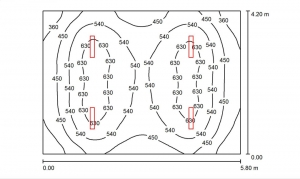
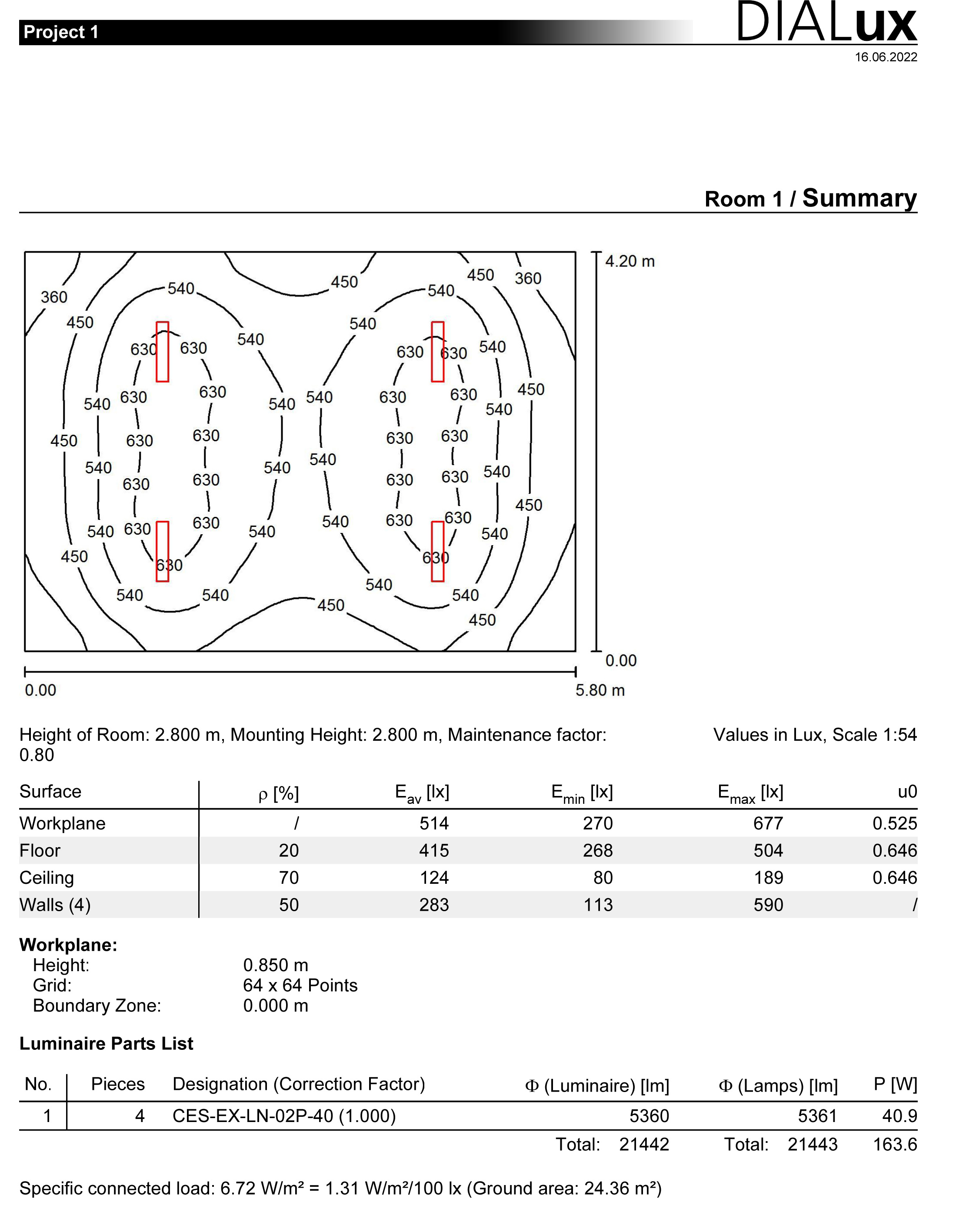
- The brightness requirements must be met, but the Watts should be installed at a generally high distance? How many lamps do you need for the entire room? Compared with traditional lamps, LED lamps are relatively bright. If the spray booth is about 3 meters high, it is probably enough to use 40W LED explosion-proof lamps. However, due to the influence of different lamps and environments, in order to achieve a reasonable lighting result, it is best to perform simulation calculations with lighting design software. (CESP can output Dialux lighting design for you, please tell us the project detailand the length, width and height of the room, send email to This email address is being protected from spambots. You need JavaScript enabled to view it., you can also contact us directlyby whatsapp)
Part.4: What explosion-proof lights are used in furniture spray booths?
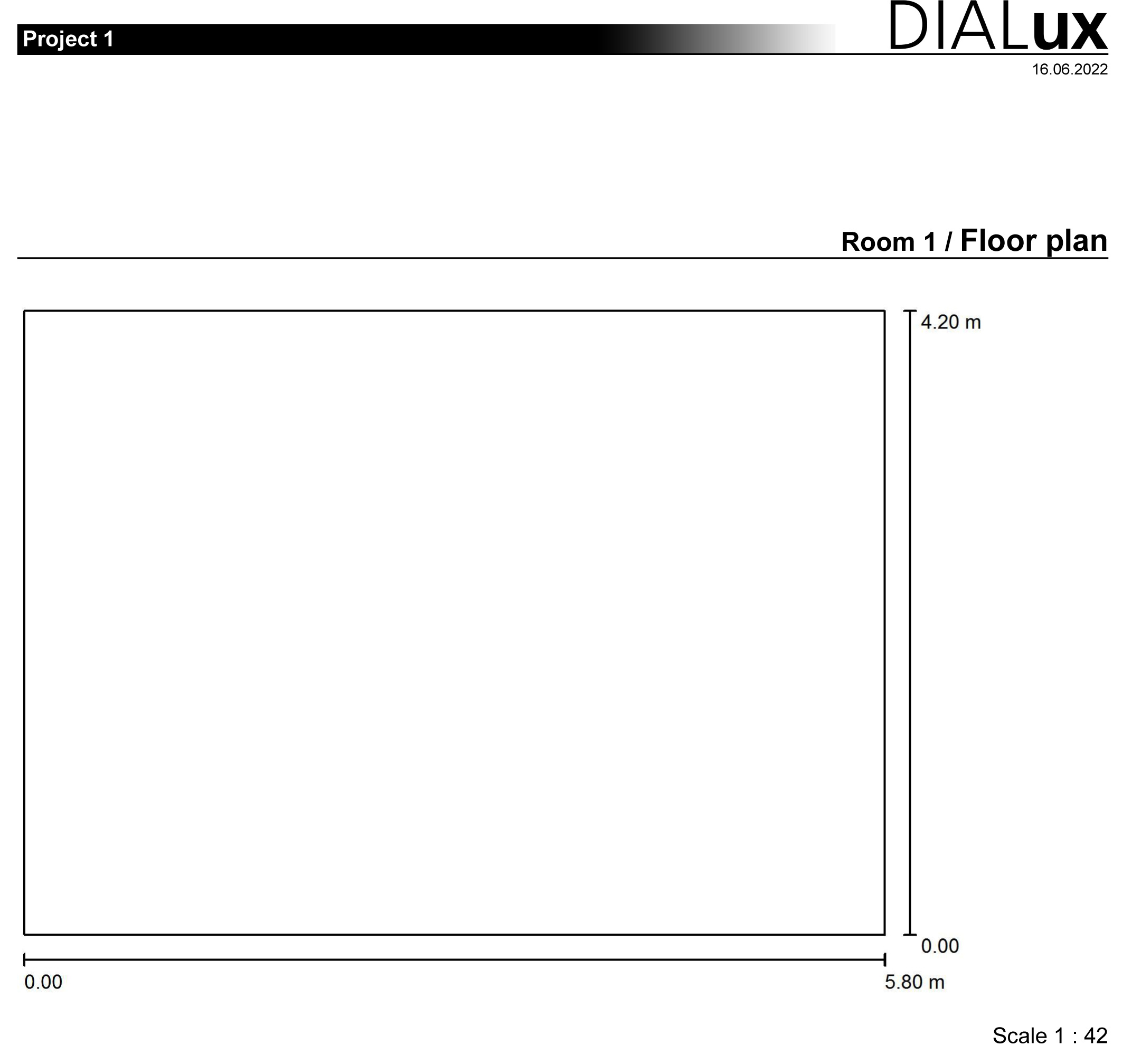
one old customer who has a furniture painting project. The room is roughly 5.8 meters length, 4.2 meters width and 2.8 meters height. The total area of each room is about 20 square meters. How many lights are needed in a room? This customer has purchased several LED explosion-proof lamps from our factory before, most of which are used to replace traditional explosion-proof metal halide lamps and explosion-proof fluorescent lights. Their factory mainly provides lighting fixtures for some oil refineries, boiler flue gas desulfurization projects, and waste-to-energy plants. For the lighting project of furniture painting, we recommended CES-EX-LN-02P series LED explosion-proof floodlights to him. This fixture meets the gas explosion-proof requirements of the painting room, and also meets its lighting brightness requirements.
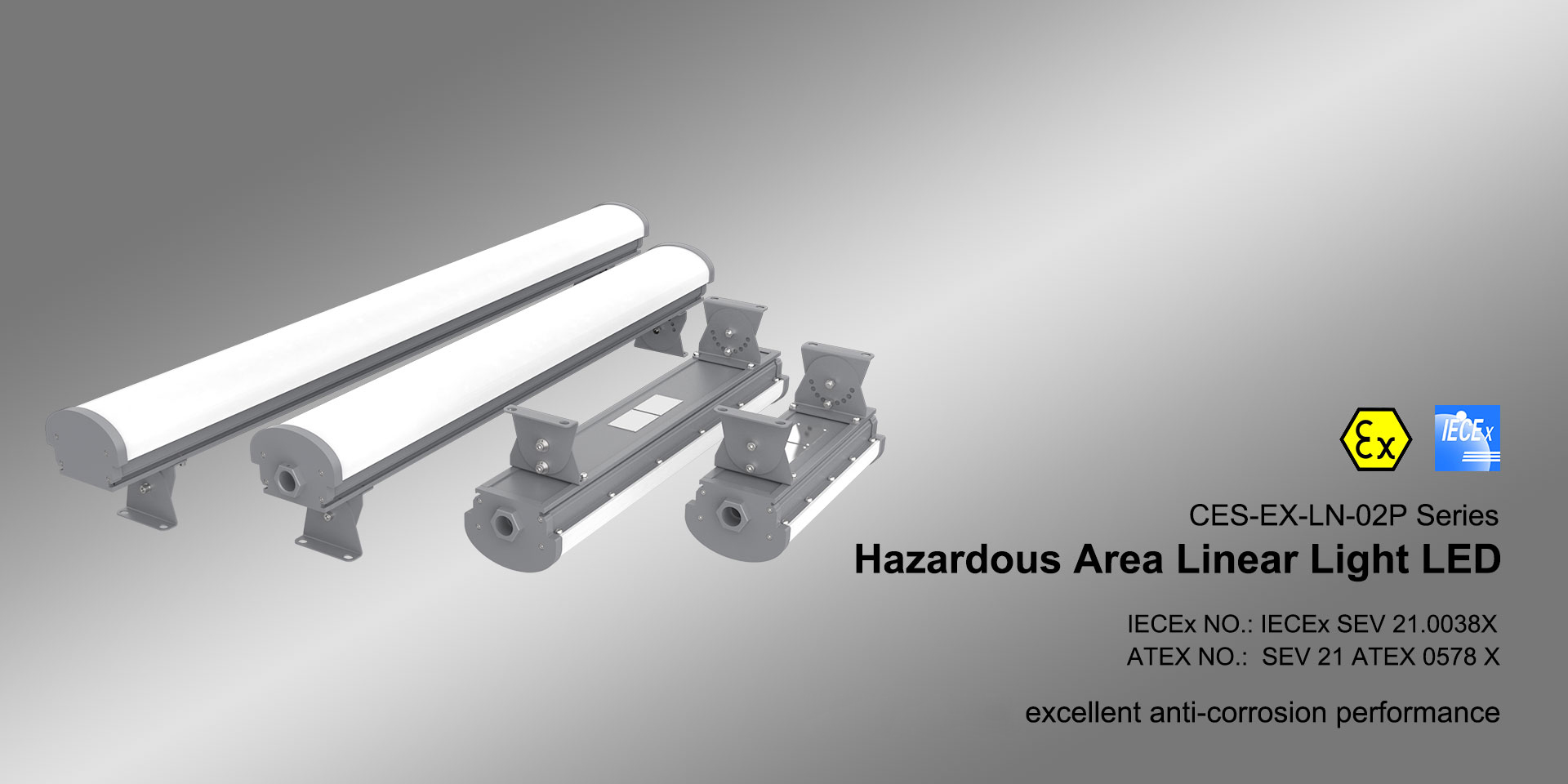
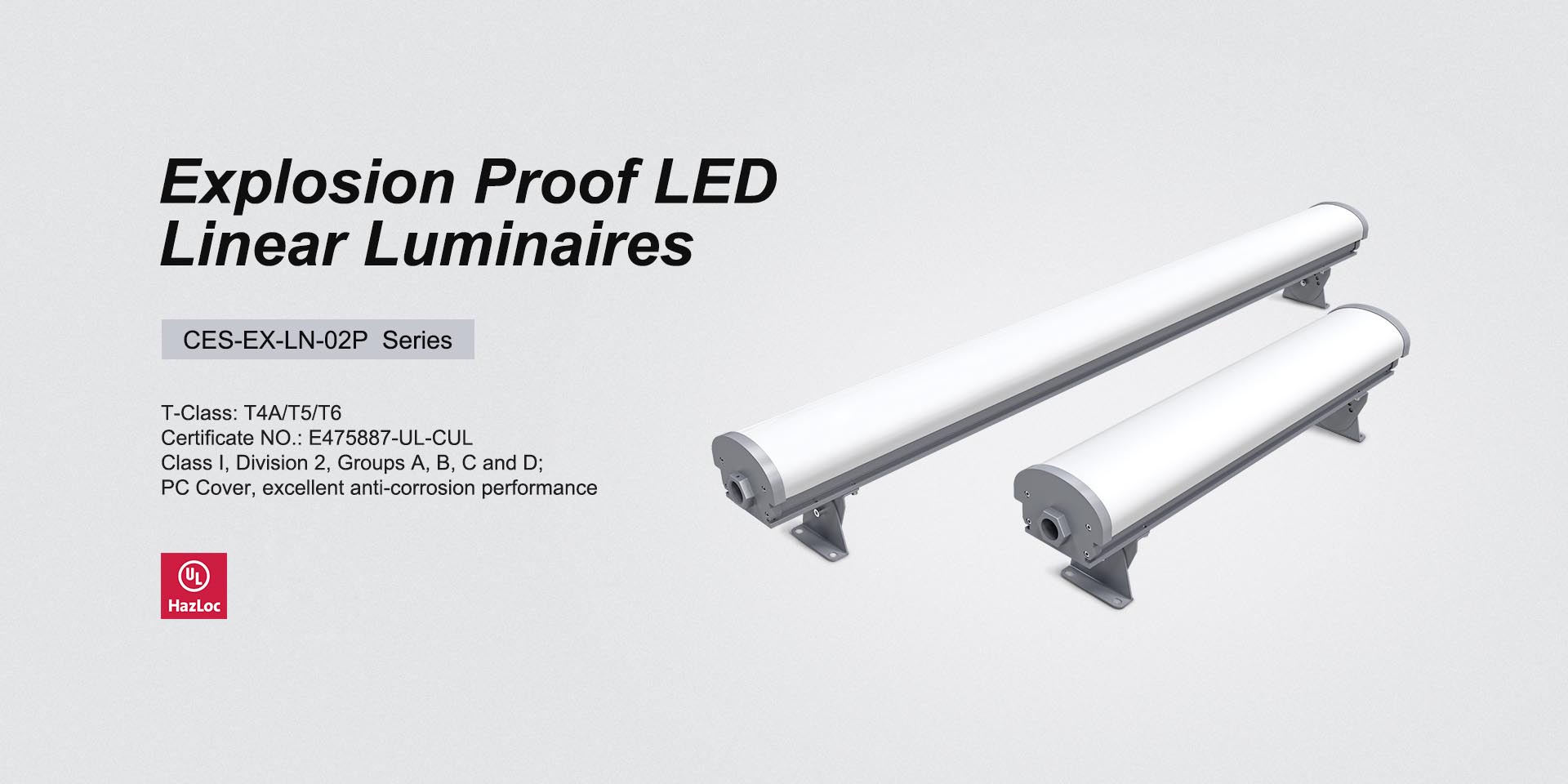
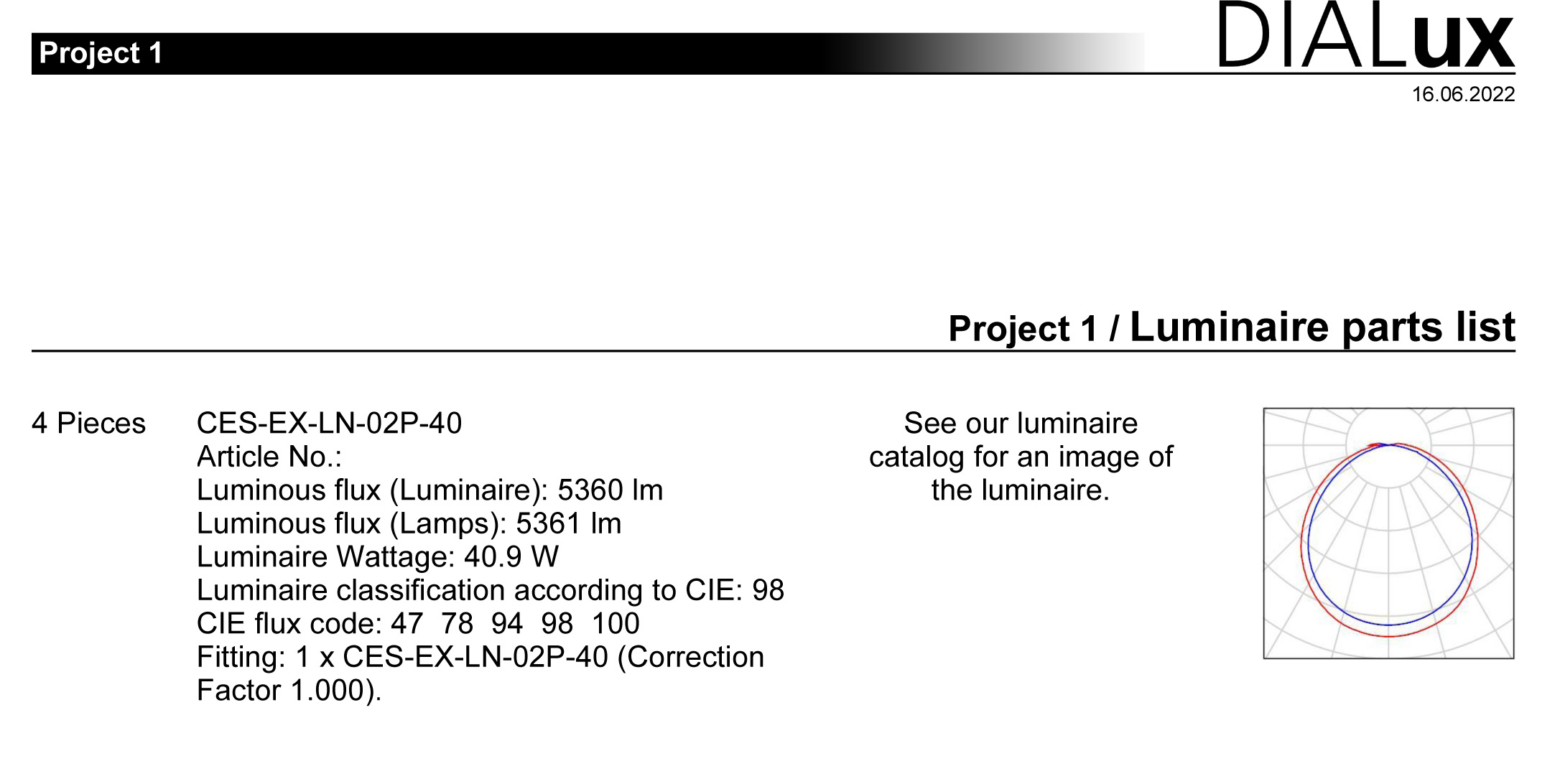
In addition, a customer in the UK made a request for their car paint booth project:
- The brightness requirements are very high, the illuminance must reach 750 LUX, and it must withstand the test.
- The requirements must be explosion-proof lamps, and can reach Zone 1, IIC level, with ATEX explosion-proof certification and inspection report
- Whether the light will be too dazzling, it is required to change the tempered glass of the lamp to anti-glare glass, so that people will not feel uncomfortable when looking at the light, and they will feel much more relaxed when working.
- It is required that there should be no chromatic aberration, and the wavelength is similar to that of sunlight, so that the sprayed product will not change color. He said that the painter first adjusted the color outdoors, and then used it to spray, so the color temperature of the lamps in the spray booth is generally around 5500K, which is white light.
No matter what kind of spray booth, we will provide a design that meets the lighting requirements according to the customer's application scenario.
If you have any needs, please feel free to contact us. We are happy to offer you a dialux design solution free of charge.
Published in
CESP Ex Wiki
Tagged under
Wednesday, 15 June 2022 07:29
How to design and manufacture a good flameproof type explosion-proof lamp
The explosion-proof lamps of flameproof type is mainly in the product structure, with a certain explosion-proof joint surface or explosion-proof thread, through an integral explosion-proof shell, to withstand the explosion pressure of the explosive mixture that may be generated inside the lamp, And prevent the explosion to the surrounding explosive mixture to achieve explosion-proof purposes.
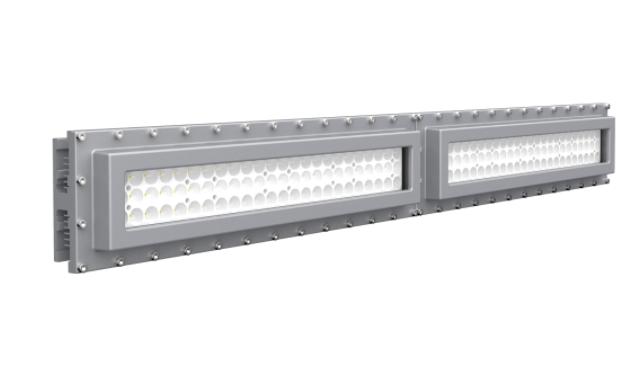
Flameproof Type Explosion Proof LED Light CES-EX-LN Series
“10mm-thick tempered glass + ADC12and 6063 aluminum housing for CES-EX-LN explosion proof led linear light is shock-resistant, anti-vibration, can withstand 7J impact, and is equipped with micro-light elements to reduce direct visual contact with the light source, prevent glare, and replace the old and prone to failure Fluorescent light fixtures.”
Part. 1 The explosion-proof principle of flameproof lamps
Flameproof explosion-proof lamps, which can be used with a power supply not exceeding 1000V include incandescent lamps, tungsten halogen lamps, fluorescent lamp (including compact fluorescent lamps), high-pressure mercury lamps, high-pressure sodium lamps, self-ballasted high-pressure mercury lamps and metal halide lamps, etc. . Its structural characteristics are first of all that it must have a device that can withstand the requirements of IEC 60079-1 "protected by a flameproof enclosure "d". This integral flameproof enclosure, including the lamp body parts and Equipped with this, there are two parts of transparent parts such as a solid lampshade. According to the shape of the light source and the distribution of the illuminants, common flameproof lamps can be generally classified into vertical lamps equipped with gas discharge light sources such as incandescent lamps and high-pressure mercury lamps, and horizontal lamps equipped with straight fluorescent bulbs. There are two basic types of lamps. Its common components are lamp body, transparent parts, sealing parts, lamp sockets, inner reflectors and outer lamp umbrellas. The judgment of a good flameproof lamp mainly depends on the reasonable structure of the lamp body and the matching flameproof joint surface, the transparent part that can withstand the impact test and the thermal shock test, and the rubber seal with strong anti-aging ability. The lamp body is fixed with the transparent part, and then equipped with a lamp holder with reliable electrical performance. Through the reasonably designed inner reflector and outer lamp umbrella, the luminous flux of the light source inside the lamp can be irradiated to the outside of the lamp through the transparent part to the maximum extent, and the danger of explosion is caused. Ideal lighting effect for places. How to organically combine these components and make a reasonable layout is the key to the design and development of flameproof and explosion-proof lamps at present and in the future.
Part.2 Basic requirements for flameproof enclosures of lamps
For flameproof lamps, the flameproof enclosure is the key component of this type of flameproof explosion-proof electrical equipment, so the flameproof enclosure must meet the general requirements and special requirements for flameproof performance.
- General requirements
- Explosion proof lamps are special lamps and must meet the general requirements of ordinary lamps.
- The shell shape of the lamp strives to be beautiful, compact and reliable, light and good in craftsmanship.
- Sufficient volume is required to place electrical components such as lamp sockets, bulbs, reflectors, binding posts, and lighting accessories. At the same time, the rationality of the layout should be considered to facilitate installation, replacement of light sources, and other use and maintenance.
- There must be a transparent part with a certain surface area, so that the luminous flux of the light source inside the lamp can be effectively projected through the reflective part.
- To comprehensively consider measures such as heat dissipation, dustproof, waterproof and anti-corrosion, and give sufficient guarantee on the structure.
- In the appropriate position, the internal and external grounding shall be arranged reasonably, and there shall be corresponding permanent grounding signs.
- Special requirements
The national explosion-proof standard of flameproof enclosure requires that it can withstand the explosion pressure of the internal explosive gas mixture and prevent the internal explosion flame from spreading to the explosive mixture around the enclosure; to meet this performance, the following special requirements must be specifically considered:
- Anti-explosion performance. The shell of the lamp is required to have sufficient strength and rigidity to withstand the explosion pressure that may be caused by the inner cavity of the lamp. Therefore, appropriate materials and wall thicknesses should be selected to form a perfect three-dimensional geometry distribution. This cavity structure should be both beautiful and generous. Uneven stress caused by excessive shape changes should be avoided as much as possible in order to ensure that the dynamic strength test specified in IEC 60079-1 can finally be passed.
- Flameproof function. When designing the flameproof enclosure of the lamp, it is necessary to select the appropriate flameproof joint surface structural parameters, the way of introducing the device, the sealing structure of the transparent part and the lamp body part, and the roughness of the flameproof joint surface in strict accordance with the provisions of IEC 60079-1. In order to effectively prevent the internal explosion flame from propagating to the explosive mixture around the enclosure, it finally passes the flameproof performance test specified in IEC 60079-1.
- The flameproof shell of lamps is mostly composed of 2 or more connected cavities, which is prone to pressure overlap. Generally speaking, this will cause the explosion pressure to rise abnormally and sharply and exceed the expected maximum pressure. To this end, the area of the communication hole should be increased as much as possible, so that the shape of the inner casing can eliminate the pressure overlapping phenomenon. If the phenomenon of pressure overlap cannot be eliminated in practice, explosion-proof measures should be taken between the chambers to eliminate pressure overlap.
- For IIC flameproof lamps, IEC 60079-1 strictly stipulates that the plane flameproof joint surface whose flameproof gap tends to increase during explosion should not be used. The structure of the thread is used, so that the lamp cavity can be opened smoothly when the lamp is replaced or repaired.
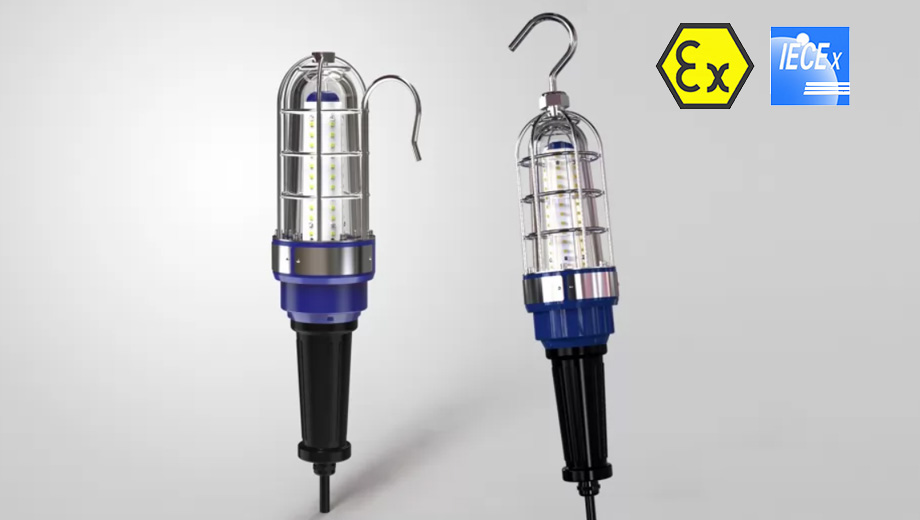
Flameproof Proof LED Hand Lamp CES-EX-SC Series (ATEX / IECEx Zone 1)
“Durable, corrosion-resistant, and has undergone extreme hydraulic and heavy pressure tests and can withstand 7J impact. It has the characteristics of small size, light weight, portable etc. No hot when operate at the highest temperature, internal locking can prevent the cable from pulling out. can be used in hazardous areas Zone 1&21, Zone 2&22.”
Part.3 Design, manufacture and installation of transparent parts of flameproof lamps
As a flame-proof type explosion-proof lamp, there must be a certain light-transmitting part. At present, our country is basically made of glass material and is fixedly installed on the cavity of the explosion-proof lamp. Therefore, these glass transparent parts of flameproof lamps must not only meet the impact test and thermal shock test requirements of the transparent parts in the general requirements of IEC 60079-0, but more importantly, they must withstand the requirements specified in IEC 60079-1. Dynamic Strength Test. This requires that these transparent glass parts need to have sufficient strength, that is, they must have sufficient thickness and a certain geometric distribution, and undergo processing such as tempering. When designing transparent glass parts, we must pay attention to the reasonable selection of glass thickness and the determination of shape. Everything is premised on avoiding uneven stress in the finished product of the transparent parts, and at the same time, it is necessary to ensure that there is no sudden change in thickness. The main advantages of glass are that it can maintain its physical and light transmission properties under high temperature, ultraviolet radiation and long-term humid conditions, the surface is resistant to scratches by hard particles, and it is allowed to be immersed in aqueous or organic solvents without causing stress. cracks or corrosion. The main disadvantage of glass is its brittleness and low tensile strength. In order to make up for these shortcomings, when designing the assembly structure of the glass transparent part and the lamp body, a gasket is usually inserted between the glass transparent part and the metal parts of the lamp housing to prevent point contact with the metal parts of the housing and damage the glass transparent part. In order to prevent the impact of solid foreign objects from breaking the glass transparent parts, the commonly used method is to add a grille to protect it. If no grille grille is installed, the glass transparent parts must pass the high energy impact test specified in IEC 60079-0.
Generally, when the transparent parts of flameproof lamps adopt a sealed structure, the thickness of the gasket shall not be less than 2.0mm, and the width of the embedded part of the gasket between the metal shell and the glass transparent part shall not be less than 10.0mm. At the same time, glass transparent parts should generally be installed in the inner cavity, because when there is pressure inside, the elastic gasket tends to be compressed, which will strengthen the sealing performance. The material of the elastic gasket is generally made of nitrile rubber; when the power of the lamp is large, asbestos rubber sheet or silicone rubber, fluorine rubber and other materials that are self-extinguishing from fire can be used. It must also be noted that when installing the glass transparent parts, measures should be taken to ensure that the perimeter of the lampshade, glass tube and transparent plate should be compressed structurally, and the force should be uniform to avoid causing dangerous mechanical stress inside the transparent parts. For the glass transparent parts of explosion-proof lamps, it can also be sealed and fixed by direct glue sealing with the shell lamp body. This structure has higher requirements on the sealing material, and silicone rubber is suitable. The fixing of the transparent part of the luminaire and the housing part must be ensured in structure that when the light source is replaced, the transparent part and the sealing part shall not fall off the housing part.
Part.4 Selection of the introduction method of explosion-proof lamps
The introduction method of flameproof lamps is clearly stipulated in IEC 60079-1, that is, indirect introduction methods are required for lamps, but direct introduction methods can be adopted for Class I fluorescent lamps with flameproof lamp sockets and cold-start fluorescent lamps. This regulation of the introduction method is mainly due to the fact that it is impossible to completely avoid the generation of sparks, arcs or dangerous temperatures inside the explosion-proof lamps during normal operation. The indirect introduction method is to electrically connect the lamp with cables or wires through the junction box or plug, and the lamp is divided into two independent cavities in structure, the main cavity of the lamp and the wiring cavity, that is, the two-chamber explosion-proof cavity. Structure, so that the reliability of explosion-proof safety is fully guaranteed.
Part.5 Maintenance of explosion-proof lamps
Explosion-proof lamps are allowed to be repaired in principle, and the specific requirements are:
- Lamp Repair Requirements
Detachable parts of lamps and lanterns are allowed to be replaced with accessories. The accessories must be the same as the original and must meet the relevant regulations of IEC 60079-1, IEC 60079-2 and IEC 60079-7 respectively.
The replacement here is to replace the maintenance activities with accessories. Generally, non-professionals are required not to open or disassemble the flameproof lamps. The usual maintenance is mainly to replace the consumable electrical components such as the light source and the starter of the fluorescent lamp and the trigger of the gas discharge lamp. , After the installation and disassembly of the lamp, pay attention to whether the gasket between the transparent part of the lamp and the lamp body is restored to the original compressed state. If the sealing gasket is damaged, it must be replaced in time to ensure the reliability of explosion-proof performance.
- Replacement of lamp sockets
The lamp holder can be replaced as a whole. The explosion-proof lamp holder used for replacement must have a certificate or document approved by the explosion-proof inspection unit. The lamp holder accessories must be in good contact and have the heat resistance of the original.
The lamp holder is allowed to be replaced as a whole, mainly because the lamp holder is a complete part. The assembly of the lamp holder has many mutually restricting effects. If the parts are replaced, it will often affect the overall electrical performance of the lamp holder. The electrical conductivity and heat resistance of the socket accessories are very important. Random replacement will definitely reduce the overall performance of the lamp socket. Therefore, the requirements for the lamp socket accessories are relatively high, which is completely to avoid sparks inside the lamp. , The arc angle is considered.
- Ballast replacement
The ballast of explosion-proof lamps can be replaced with accessories of the same model and capacity. When changing the ballast mode, it must be approved by the explosion-proof inspection unit.
The technical performance of different types of ballasts is not exactly the same. When replacing different types of ballasts, it may cause changes in the temperature rise, insulation performance, and working performance of explosion-proof lamps. In explosion-proof lamps, this change It will definitely affect the explosion-proof level, so it is stipulated that only accessories of the same model and capacity are allowed to be replaced. When changing the ballast method, the temperature rise of the entire ballast component will change more, so the temperature rise and other tests must be re-tested. Determine the new explosion-proof level, and this kind of test identification can only be recognized after passing the test of the explosion-proof inspection unit.
If
Published in
CESP Ex Wiki
Tagged under
Wednesday, 15 June 2022 07:29
What is the difference between Chinese GB3836 and international IEC explosion-proof certification standards?
According to the Standardization Law of the People's Republic of China, all explosion-proof standards are mandatory standards and must be enforced. Explosion-proof products (including imports) used in China must be certified by the state-designated explosion-proof inspection agency. Explosion-proof inspection and certification agencies, in accordance with the Chinese national standard GB3836 series, review and test the explosion-proof performance of explosion-proof motors, explosion-proof electrics, explosion-proof lights, explosion-proof instruments, explosion-proof communication equipment, explosion-proof transportation vehicles and explosion-proof mechanical equipment, and issue explosion-proof certificates. In addition to the GB3836 standard, China's coal safety certification also adopts China's unique industry standards for mining products.
China's explosion-proof standards are basically formulated according to the IEC standards of the International Electrotechnical Commission.
The relevant parameters of the same version of the national standard and the European standard are basically the same, but due to the time lag, the relevant parameters of the national standard are different from the European standard. In the 2004 and 2007 editions of the IEC standard, IIA and IIB have implemented the same parameter requirements.
However, the requirements of China's explosion-proof standards are basically the same as those of IEC. Some of China's GB3836 standards (gas) and GB12476 standards (dust) directly adopt IECEx explosion-proof standards.
China Explosion Proof Certification Standards for Explosive Gas Atmospheres:
- GB3836.1-2010-Explosive Atmospheres Part 1: General Requirements for Equipment
- GB3836.2-2010-Explosive Atmospheres Part 2: Equipment protected by flameproof enclosure "d"
- GB3836.3-2010-Explosive Atmospheres Part 3: Equipment protected by increased safety type "e"
- GB3836.4-2010-Explosive Atmospheres Part 4: Equipment protected by intrinsically safe "i"
- GB/T3836.5-2017 Explosive Atmospheres Part 5 Equipment protected by positive pressure enclosure p
- GB/T 3836.6-2017 Electrical Equipment for Explosive Gas Environments - Part 6: Oil-immersed "o"
- GB/T 3836.7-2017 Electrical Equipment for Explosive Gas Environments - Part 7: Sand-filled "q"
- GB3836.8-2014-Explosive Atmospheres-Part 8: Equipment protected by "n-type"
- GB3836.9-2014-Explosive Atmospheres Part 9: Equipment protected by encapsulation type "m"
China's explosion-proof certification standards for combustible dust environments:
- GB 12476.1-2013 Electrical Equipment for Combustible Dust Environment - Part 1: General Requirements
- GB 12476.2-2010 Electrical Equipment for Combustible Dust Environment - Part 2: Model Selection and Installation
- GB 12476.3-2007 Electrical equipment for combustible dust environments - Part 3: Classification of places where combustible dust exists or may exist
- GB 12476.4-2010 Electrical Equipment for Combustible Dust Environment - Part 4: Intrinsically Safe "iD"
- GB 12476.5-2013 Electrical Equipment for Combustible Dust Environment - Part 5: Shell Protection Type "tD"
- GB 12476.6-2010 Electrical Equipment for Combustible Dust Environment - Part 6: Encapsulation Protection Type "mD"
- GB 12476.7-2010 Electrical equipment for combustible dust environments - Part 7: Positive pressure protection type "pD"
International IEC explosion-proof certification standards:
- IEC 60079-0 Explosive Atmospheres Part 0: Equipment General Requirements
- IEC 60079-1 Explosive Atmospheres Part 1: Equipment protected by flameproof enclosure "d"
- IEC 60079-2 Explosive Atmospheres Part 2: Equipment protected by positive pressure enclosure type "p"
- IEC 60079-5 Explosive Atmospheres Part 5: Equipment protected by sand-filled mold "q"
- IEC 60079-6 Explosive Atmospheres Part 6: Equipment protected by oil-immersed type "o"
- IEC 60079-7 Explosive Atmospheres Part 7: Equipment protected by increased safety type "e"
- IEC 60079-11 Explosive Atmospheres Part 11: Equipment protected by intrinsically safe type "i"
- IEC 60079-15 Explosive Atmospheres Part 15: Equipment protected by non-sparking type "n"
- IEC 60079-18 Explosive Atmospheres Part 18: Equipment protected by encapsulation type "m"
- IEC 61241 series standard electrical equipment for combustible dust environment
- ISO/IEC80079-34 Explosive Atmospheres Part 34: Application of Quality Assurance System for Equipment Manufacturers.
If you are looking for the IECEx or ATEX Certifed Zone 1 Zone 21, Zone 2 Zone 22 Explosion Proof LED Light, please contact us by email: This email address is being protected from spambots. You need JavaScript enabled to view it. / This email address is being protected from spambots. You need JavaScript enabled to view it.
Published in
CESP Ex Wiki
Tagged under