


IECEx ATEX Certified Explosion proof LED Lights - Zone 1 Zone 2 Hazardous Area Lighting
CESP Zone 1 Zone 2 hazardous location LED lights are in accordance with International Protection Techniques (Equipment Protection Levels), including IEC/EN 60079-0 (General Requirement), IEC/EN 60079-1 (Flameproof Enclosure), IEC/EN 60079-7 (Increased Safety), IEC/EN 60079-11 (Intrinsic Safety), IEC/EN 60079-15 (Type of Protection), IEC/EN 60079-18, IEC/EN 60079-28, IEC/EN 60079-31. If you are not sure about the Classified of your lighting application environment, please contact our technical department for the solution.
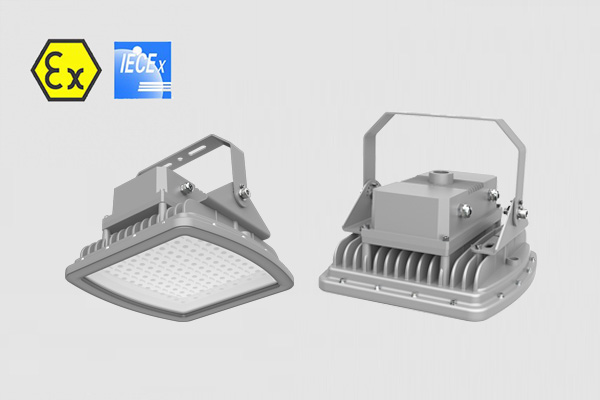
For Zone 1 Zone 2, Zone 21 Zone 22 hazardous area led lighting, 20W - 200W, 130lm/W,aluminum alloy + 8mm tempered glass, multi-installation for different projects, such as light tower, canopy light, marine grade.
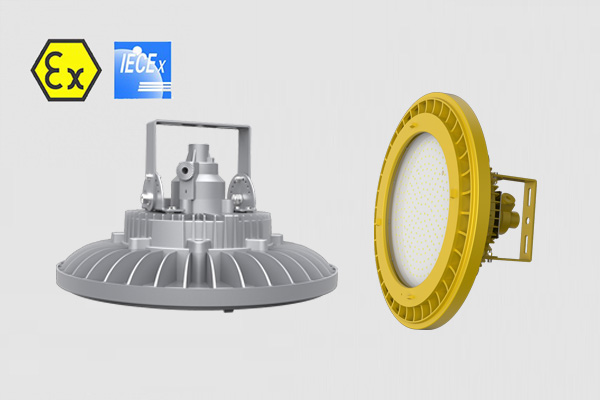
Flameproof enclosure, Ex db op is IIC T6 Gb, Zone 1 & Zone 21 with explosive gas atmosphere, Zone 21 and Zone22 with explosive dust atmosphere, 10mm temered glass, 7J impact resistance,up to 26000lm.
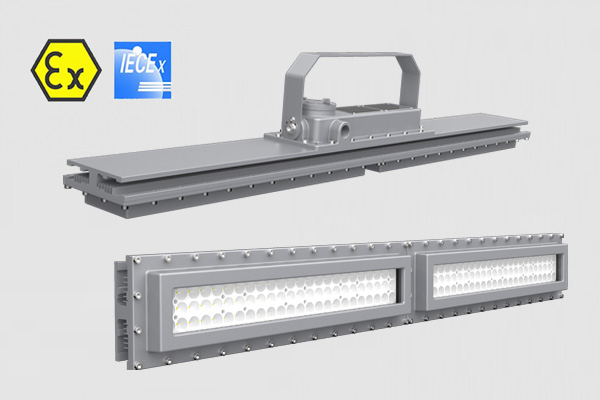
Flameproof enclosure, Ex db op is IIC T6 Gb, IP68 protection grade, tempered glass 10mm, withstand impacts up to 10J, 2 foot and 4 foot Length, 50Watt- 240Watt, 130lm/W light efficacy.
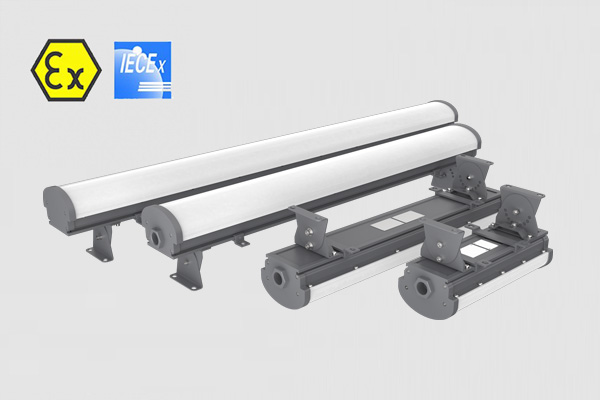
Zone 1 & Zone 21, 1ft, 2ft, 3ft, 4ft length can be selected, replace the traditional explosion-proof three-proof lamp, explosion-proof fluorescent tube, anti-corrosion, anti-glare, anti-drop, competitive price.
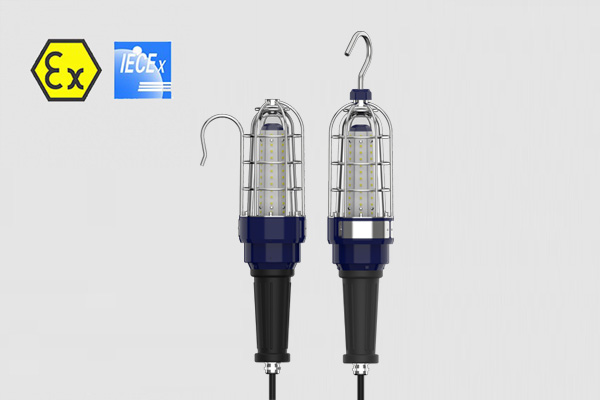
Flameproof LED hand lamp for Zone 1 & Zone 21 hazardous areas, 10mm tempered glass, pass the multi-angle drop test, 10W, 20W, 30W Power, can be connected to the cable, emergency power box.
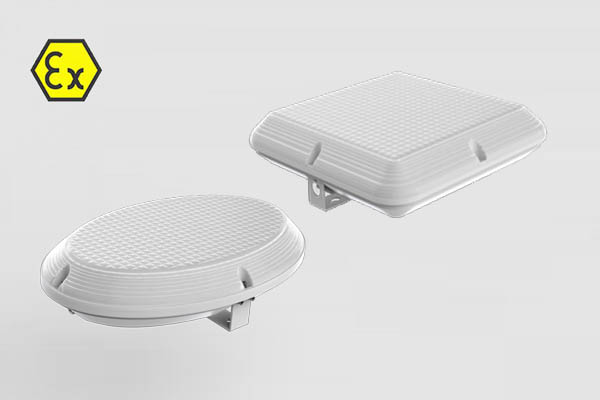
The CES-EX-SF series explosion-proof ceiling lamp has a strong shell, with features such as impact resistance, vibration resistance, and corrosion resistance. It can be used in hazardous environments of Zone 1&21, Zone 2&22.
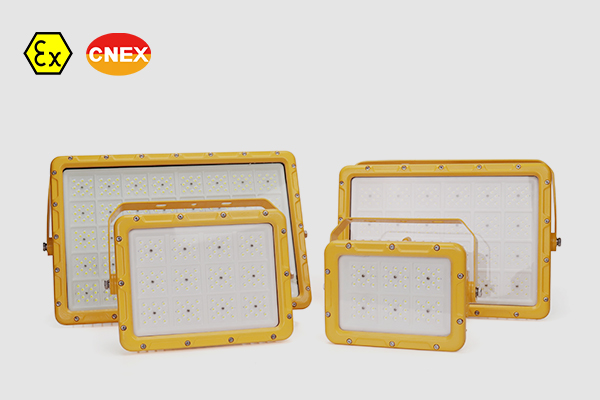
CES-EX-JX Series is your go-to solution for illuminating hazardous Zone 1 and Zone 21 areas. With ATEX approval, these Explosion-proof LED Flood Lights offer unbeatable safety standards.
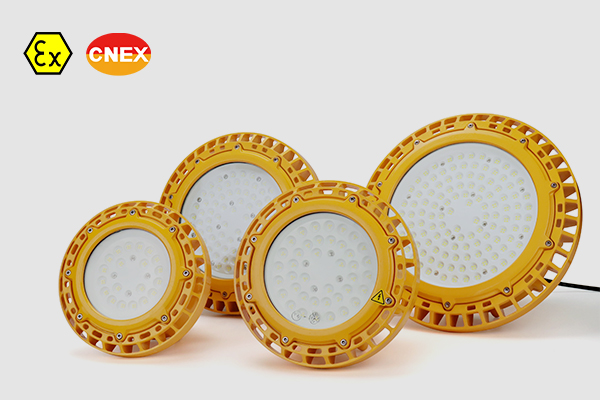
Discover the pinnacle of safety and illumination with our CES-EX-GBX Series Explosion-proof LED High Bay Lights. Designed for hazardous Zone 1 and Zone 21 areas, these lights boast ATEX approval, ensuring the highest safety standards.
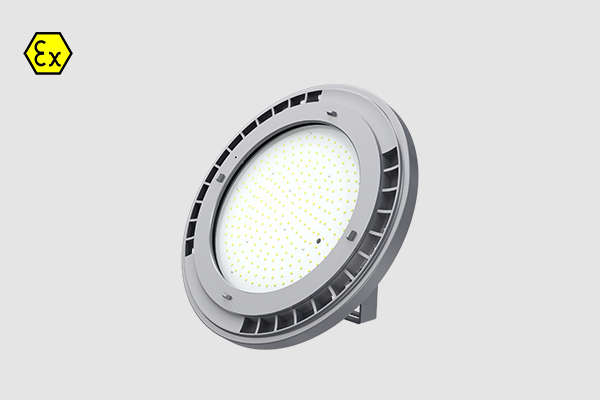
GB-02 explosion-proof lights are made of alloy aluminum and tempered glass, with shock resistance and anti-vibration performance. The luminaires have passed the ATEX IECEx standards test, from 30W to 80W for hazardous area lighting.
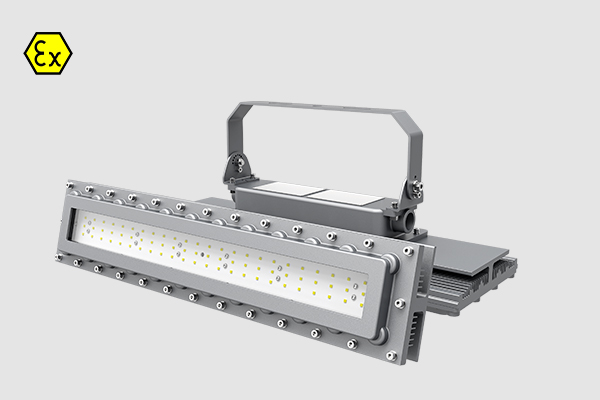
LN-02 explosion-proof lights obtained an IECEx ATEX certificate, it's safe for the Zone 1 and Zone 2 hazardous locations. The copper-free aluminum alloy body is powder-coated to increase durability and beautiful appearance, are able to withstand violent shaking and shock resistance.
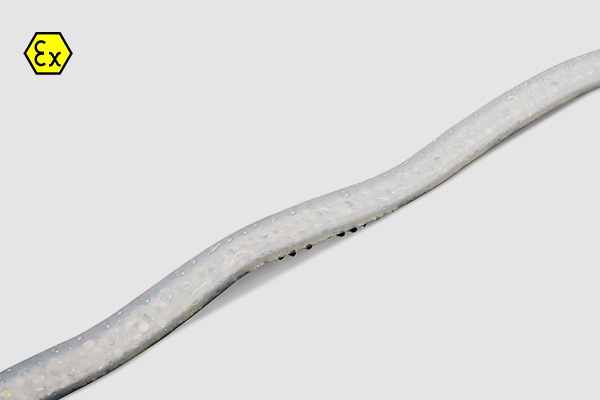
an innovative line of LED hazardous area lighting products, specifically designed for use in potentially explosive atmospheres (Zone 1/21 & 2/22) within harsh industrial settings such as coal mines and oil & gas facilities.
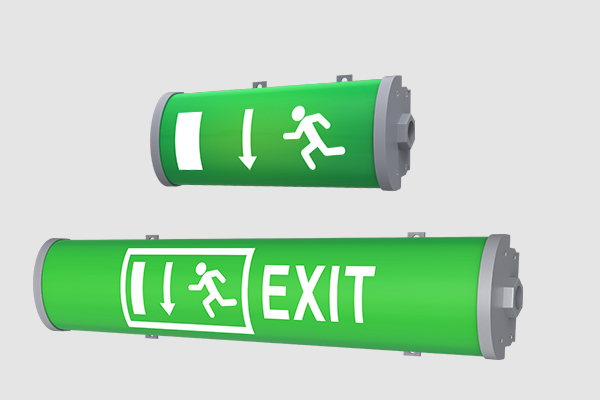
Explosion-proof safety exit lamps are for personnel evacuation, and fire operations to provide lighting fire emergency lamps! It usually uses an external power supply, when the power automatically switches to the battery power state!

Tuesday, 23 November 2021 03:45
Explosion Proof LED Flood Light - IECEx ATEX Zone 1 & 21 - 120W/150W/180W/200W
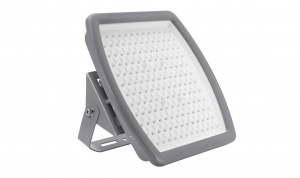
Explosion Proof LED Flood Light - Zone 1 Zone 21 - 120W/150W/180W 200W - U Bracket Mount
Applications:
• Wastewater treatment,oil and gas refineries, drilling rigs, petrochemical facilities, food and beverage facilities, tunnels, outdoor wall and stanchion mounted general area lighting, and where flammable vapors, gases, ignitable dusts, fibers or flyings are present.
• Applies to hazardous locations of Zone 1 and Zone2 with explosive gas atmosphere.
• Applies to hazardous locations of Zone 21 and Zone22 with explosive dust atmosphere.
ATEX: EN 60079-0: 2013 ; EN 60079-7: 2015 ; EN 60079-18: 2015 ; EN 60079-28: 2015 ; EN 60079-31:2014;
Warning:
- “WARNING – DO NOT OPEN WHEN ENERGIZED”
- “WARNING – DO NOT OPEN WHEN AN EXPLOSIVE ATMOSPHERE IS PRESENT”
- “WARNING – ONLY USE CABLES SUITABLE FOR 85°C”
- End user shall use certified cable gland or conduit with suitable type of protection for final installation purpose.
- External earthing wire shall be connected when used and the cross-sectional areashall be more than 4mm2 or 10AWG.
- Under rating condition, maximum temperature on the luminaire’s shell shall not be higher than 95℃ for T4.Temperature at cable inlet shall not be higher than allowable limit of the cable applied, to ensure the cable operation normally.
Features
- Industry-leading efficacy: up to 130lm/W±5
- -20°C to +40°C Ambient operating temperature
- Amounting: U-bracket
- Wide optics for uniform illumination
- 5 years warranty
- Entry Size: M25Χ1.5 or NPT 3/4”-14
- Housing –Aluminum alloy (ADC12 )
- Lens – tempered glass
- Beam angle: 90°, 108°
Parameters
- Power:120W/150W/180W/200W
- Input voltage: AC100-240/277V, 50/60Hz
- Power factor: 0.97
- Lumen flux: 14400lm/18000lm/22200lm
- CCT: 2700K - 6500K (Optional)
- LEDs: 3030
- LED Driver: Meanwell HLG series
- Dimension: 400mm x 400mm x 169(248)mm
- Weight: 10.5KG
Certificate & Standard
Have certified CES-J fixtures with the IECEX and ATEX standards for hazardous location and environments.
ATEX:
- EX II 2G Ex eb mb op is IIC T4 Gb
- EX II 2D Ex op is tb IIIC T(95°C) Db
- IP66
- Certify No:IEP 19ATEX 0714
IECEx:
- Ex ec IIC T4 Gc
- IP66
- Certify No:IECEx UL 18.0046
Special order
- Special Orders- Requirements
Contact us for special requirements
Tel: +86-755-83509822
Fax: +86-755-83509868
Email: This email address is being protected from spambots. You need JavaScript enabled to view it.
Email: This email address is being protected from spambots. You need JavaScript enabled to view it.
Published in
Explosion proof LED Flood Light
Tagged under
Tuesday, 23 November 2021 03:31
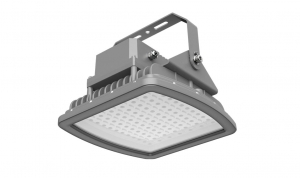
Explosion Proof LED Flood Light - IECEx ATEX Zone 1 & 21 - 60W/80W/100W
Applications:
• Wastewater treatment,oil and gas refineries, drilling rigs, petrochemical facilities, food and beverage facilities, tunnels, outdoor wall and stanchion mounted general area lighting, and where flammable vapors, gases, ignitable dusts, fibers or flyings are present.
• Applies to hazardous locations of Zone 1 and Zone2 with explosive gas atmosphere.
• Applies to hazardous locations of Zone 21 and Zone22 with explosive dust atmosphere.
ATEX: EN 60079-0: 2013 ; EN 60079-7: 2015 ; EN 60079-18: 2015 ; EN 60079-28: 2015 ; EN 60079-31:2014;
Warning:
- “WARNING – DO NOT OPEN WHEN ENERGIZED”
- “WARNING – DO NOT OPEN WHEN AN EXPLOSIVE ATMOSPHERE IS PRESENT”
- “WARNING – ONLY USE CABLES SUITABLE FOR 85°C”
- End user shall use certified cable gland or conduit with suitable type of protection for final installation purpose.
- External earthing wire shall be connected when used and the cross-sectional areashall be more than 4mm2 or 10AWG.
- Under rating condition, maximum temperature on the luminaire’s shell shall not be higher than 95℃ for T4.Temperature at cable inlet shall not be higher than allowable limit of the cable applied, to ensure the cable operation normally.
Features
- Industry-leading efficacy: up to 130lm/W±5
- -20°C to +40°C Ambient operating temperature
- Amounting: U-bracket
- Wide optics for uniform illumination
- 5 years warranty
- Entry Size: M25Χ1.5 or NPT 3/4”-14
- Housing –Aluminum alloy (ADC12 )
- Lens – tempered glass
- Beam angle: 90°, 108°
Parameters
- Power:60W/80W/100W
- Input voltage: AC100-240/277V, 50/60Hz
- Power factor: 0.97
- Lumen flux: 7200lm / 9600lm / 12000lm
- CCT: 2700K - 6500K (Optional)
- LEDs: 3030
- LED Driver: Meanwell HLG series
- Dimension: 300mm x300mm x 165(251)mm
- Weight: 7.5KG
Certificate & Standard
Have certified CES-J fixtures with the IECEX and ATEX standards for hazardous location and environments.
ATEX:
- EX II 2G Ex eb mb op is IIC T4 Gb
- EX II 2D Ex op is tb IIIC (T95°C) Db
- IP66
- Certify No:IEP 19ATEX 0714
IECEx:
- Ex ec IIC T4 Gc
- IP66
- Certify No:IECEx UL 18.0046
Special order
- Special Orders- Requirements
Contact us for special requirements
Tel: +86-755-83509822
Fax: +86-755-83509868
Email: This email address is being protected from spambots. You need JavaScript enabled to view it.
Email: This email address is being protected from spambots. You need JavaScript enabled to view it.
Published in
Explosion proof LED Flood Light
Tagged under
Saturday, 20 November 2021 02:19
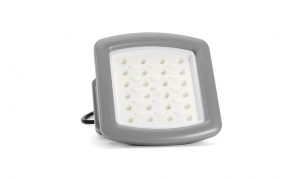
Explosion Proof LED Flood Light - IECEx ATEX Zone 1 & 21 - 20W/30W/40W
Applications:
• Wastewater treatment,oil and gas refineries, drilling rigs, petrochemical facilities, food and beverage facilities, tunnels, outdoor wall and stanchion mounted general area lighting, and where flammable vapors, gases, ignitable dusts, fibers or flyings are present.
• Applies to hazardous locations of Zone 1 and Zone2 with explosive gas atmosphere.
• Applies to hazardous locations of Zone 21 and Zone22 with explosive dust atmosphere.
ATEX: EN 60079-0: 2013 ; EN 60079-7: 2015 ; EN 60079-18: 2015 ; EN 60079-28: 2015 ; EN 60079-31:2014;
Warning:
- “WARNING – DO NOT OPEN WHEN ENERGIZED”
- “WARNING – DO NOT OPEN WHEN AN EXPLOSIVE ATMOSPHERE IS PRESENT”
- “WARNING – ONLY USE CABLES SUITABLE FOR 85°C”
- End user shall use certified cable gland or conduit with suitable type of protection for final installation purpose.
- External earthing wire shall be connected when used and the cross-sectional areashall be more than 4mm2 or 10AWG.
- Under rating condition, maximum temperature on the luminaire’s shell shall not be higher than 95℃ for T4.Temperature at cable inlet shall not be higher than allowable limit of the cable applied, to ensure the cable operation normally.
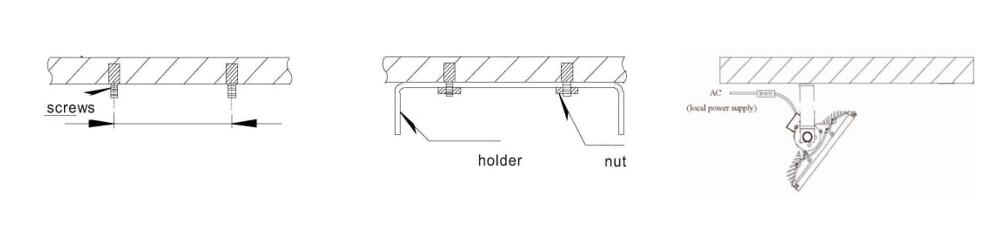
Mounting:
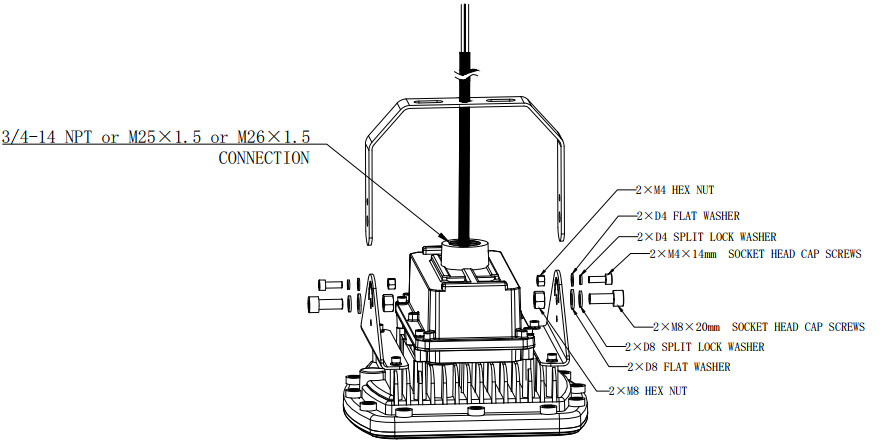
Fix 2 M10 screws on the wall according to the distance between the holes of the bracket. Install the bracket on the screws and then fasten it with the nut. Fix the position of the lamp Place the lamp cord into the pole; connect the wire to local power supply (AC100-277V).
Features
- Industry-leading efficacy: up to 130lm/W±5
- -20°C to +40°C Ambient operating temperature
- Amounting: U-bracket
- Wide optics for uniform illumination
- 5 years warranty
- Entry Size: M25Χ1.5 or NPT 3/4”-14
- Housing –Aluminum alloy (ADC12 )
- Lens – tempered glass
- Beam angle: 90°, 108°
Parameters
- Power:20W/30W/40W
- Input voltage: AC100-240/277V, 50/60Hz
- Power factor: 0.97
- Lumen flux: 2400lm / 3600lm / 4800lm
- CCT: 2700K - 6500K (Optional)
- LEDs: 3030
- LED Driver: Meanwell HLG series
- Dimension: 200mm*200mm*147mm
- Weight: 4KG
Certificate & Standard
Have certified CES-J fixtures with the IECEX and ATEX standards for hazardous location and environments.
ATEX:
- EX II 2G Ex eb mb op is IIC T4 Gb
- EX II 2D Ex op is tb IIIC T(95°C) Db
- IP66
- Certify No.:IEP 19ATEX 0714
IECEx:
- Ex ec IIC T4 Gc
- IP66
- Certify No:IECEx UL 18.0046
Special order
- Contact us for special requirements
Tel: +86-755-83509822
Fax: +86-755-83509868
Email: This email address is being protected from spambots. You need JavaScript enabled to view it.
Email: This email address is being protected from spambots. You need JavaScript enabled to view it.
Published in
Explosion proof LED Flood Light
Tagged under
Friday, 22 October 2021 08:59
CESP Portable and Mobile Explosion proof Lighting
In a dark environment or in a smoky dangerous area or harsh environment, ordinary mobile lighting products have many problems, such as insufficient exposure distance, poor penetration, low explosion-proof level, etc. These problems cause great difficulties in the rescue process. , It will cause immeasurable losses invisibly.
Portable explosion-proof lighting
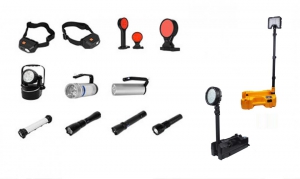
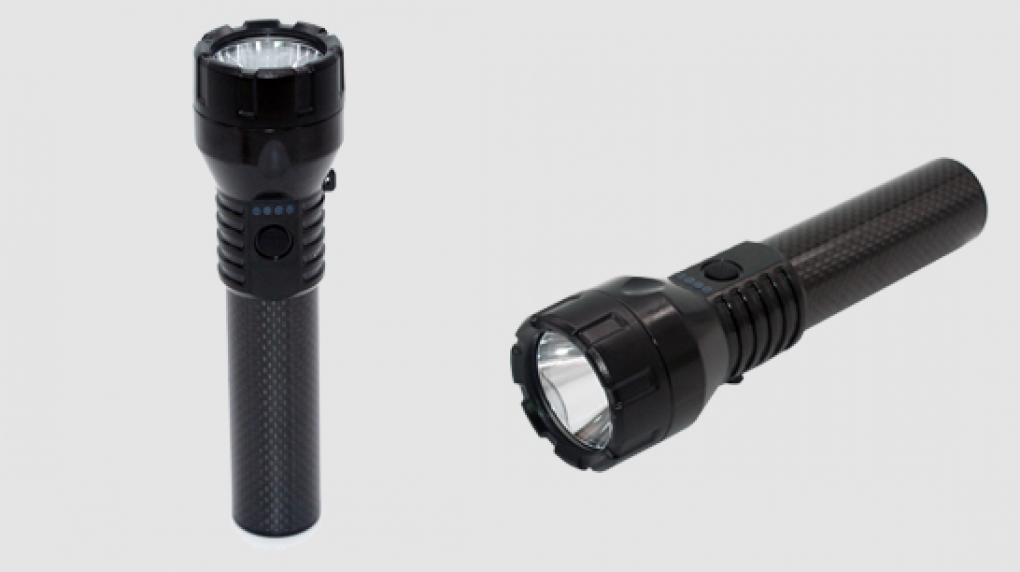
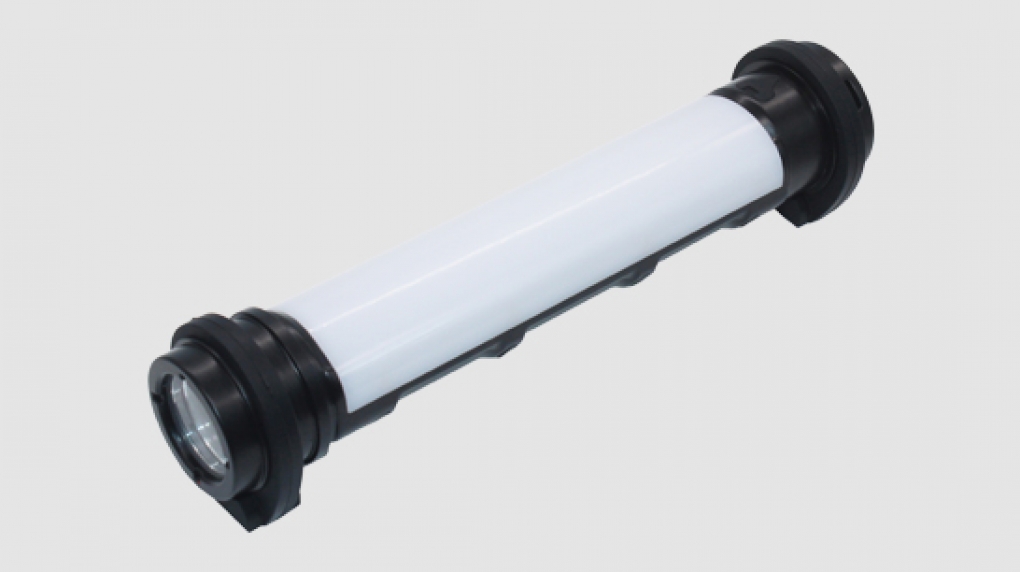
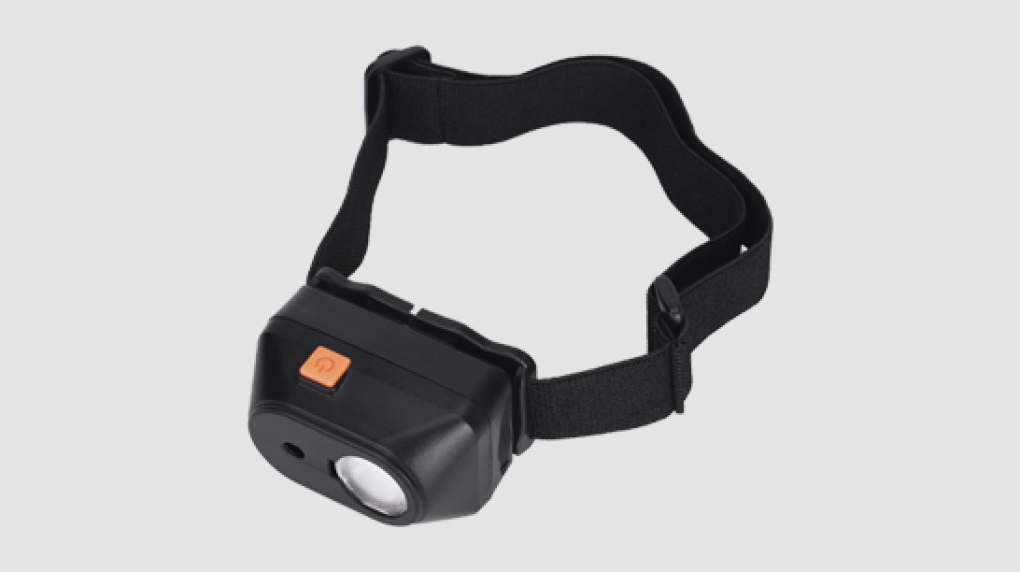
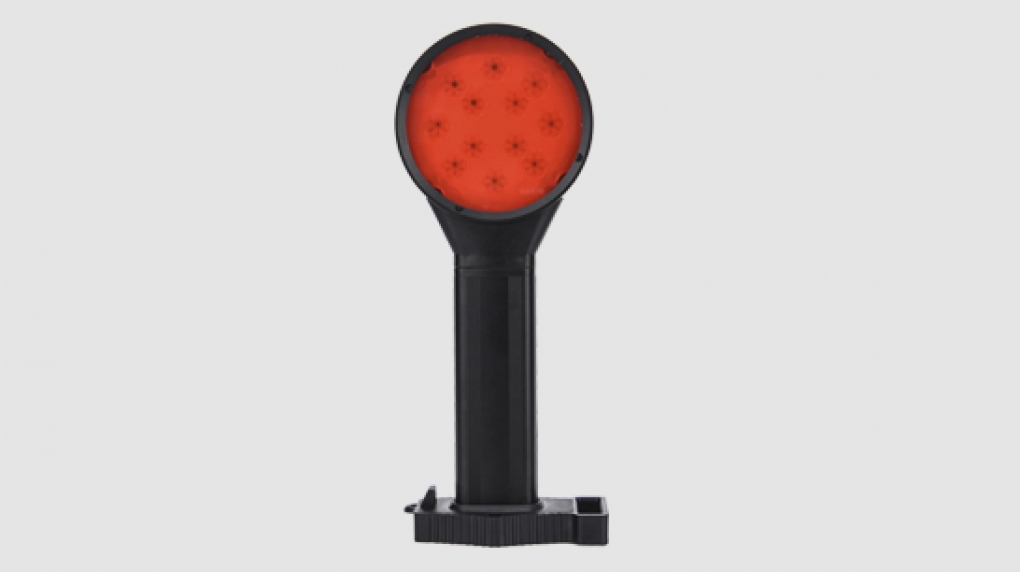
In this regard, CESP discovered and solved problems based on market research and communication with front-line users. According to these problems, we designed many styles of explosion-proof lighting fixtures, including explosion-proof headlights, explosion-proof flashlights, portable explosion-proof work lights, explosion-proof signal lights, etc. .
These explosion-proof lighting products can be used for firefighting, electric power, industrial and mining enterprises and other flammable and explosive places to provide mobile lighting. They are very suitable for various field operations, such as: geological exploration, tourism exploration, border patrol, coastal defense patrol, rescue and disaster relief, field operations, Tunnel operations, airport inspections, railway inspections, archaeology and fire command, criminal investigation, traffic accident handling, power emergency repairs and other lighting needs.
- Imported high-hardness carbon fiber composite material + die-cast aluminum to ensure that the product can withstand strong collisions and impacts, high and low temperatures, dust and corrosion
- Heavy-protection, high-energy, non-memory lithium battery, large capacity, long life, high number of recharges, low self-discharge rate, economical and environmentally friendly, and can prevent overcharge, overdischarge, short circuit, etc.
- Intelligent control: Our mobile explosion-proof lighting products have a variety of working methods, and the lighting methods can be changed at will, such as: emergency flashing light, remote floodlight, warning light, etc., working modes: strong light, working light, stroboscopic .
- Intrinsically safe explosion-proof design, suitable for various flammable and explosive places in Zone 1 and Zone 2
- Professional sealed design fire-fighting equipment with the highest protection level above IP66
- Many humanized designs of large handle, large switch, power display and direction indicator light provide more convenience for use
- Diversity There are many different types of mobile explosion-proof products to choose from below,
Applications:
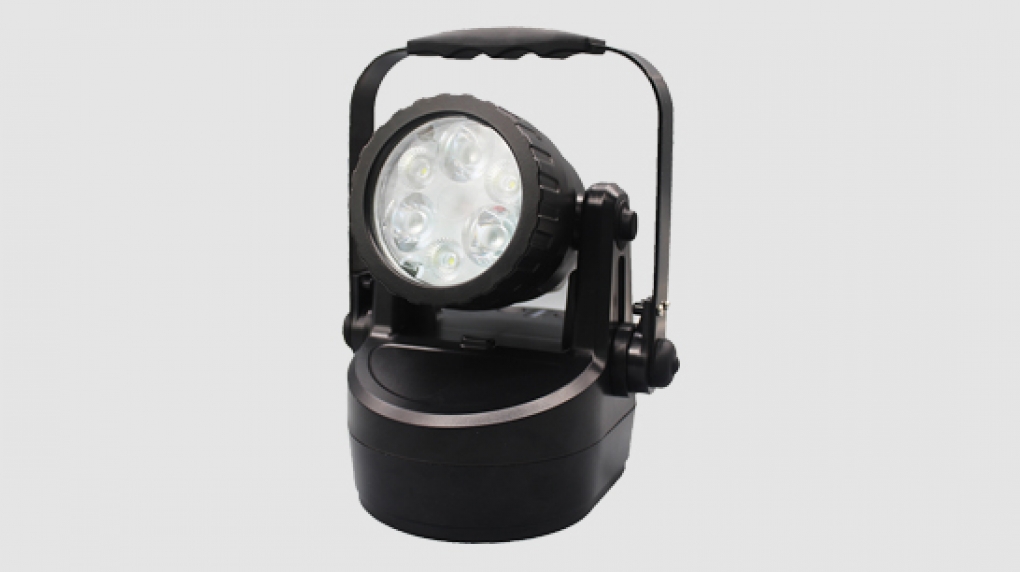
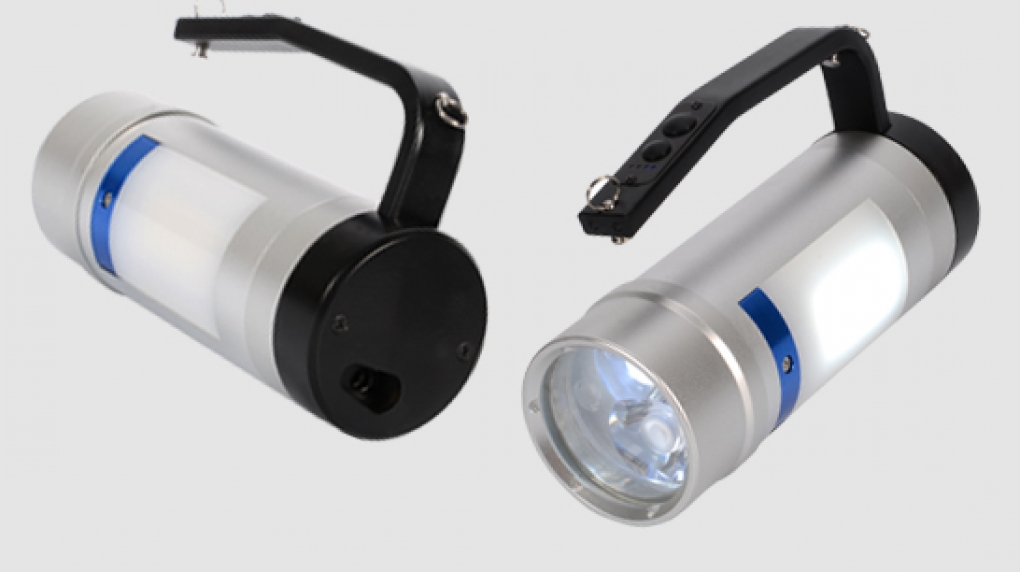
- Safe and reliable: flameproof + intrinsically safe explosion-proof design, suitable for various flammable and explosive places in Zone 1 and Zone 2.
- Excellent energy efficiency: LED light source adopts world-renowned brands, comes with two 12w imported LED light sources, and the color temperature of cold and warm light can be switched and controlled.
- Economical and environmentally friendly: dual-protection high-energy non-memory lithium battery, large capacity, long life, high recharge times, low self-discharge rate, economical and environmentally friendly, and can prevent overcharge, overdischarge, short circuit, etc.
- Light weight and strong durability: small size, light weight, reasonable structure and beautiful appearance. It can be held in hand, leaned against, suspended, etc. to meet various work needs.
- Waterproof and drop-proof: The company's product shell adopts imported high-hardness carbon fiber composite material to ensure that the product can withstand strong collisions and impacts, high and low temperatures, dust and corrosion. Suitable for use in extreme environments and climatic conditions.
Mobile Lighting for Heavy Duty (Long Time)
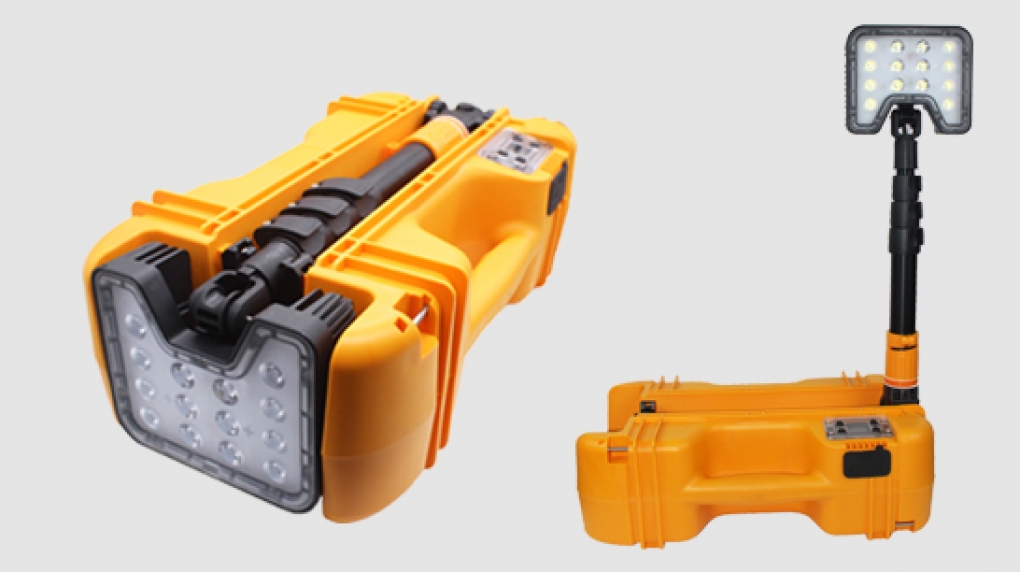
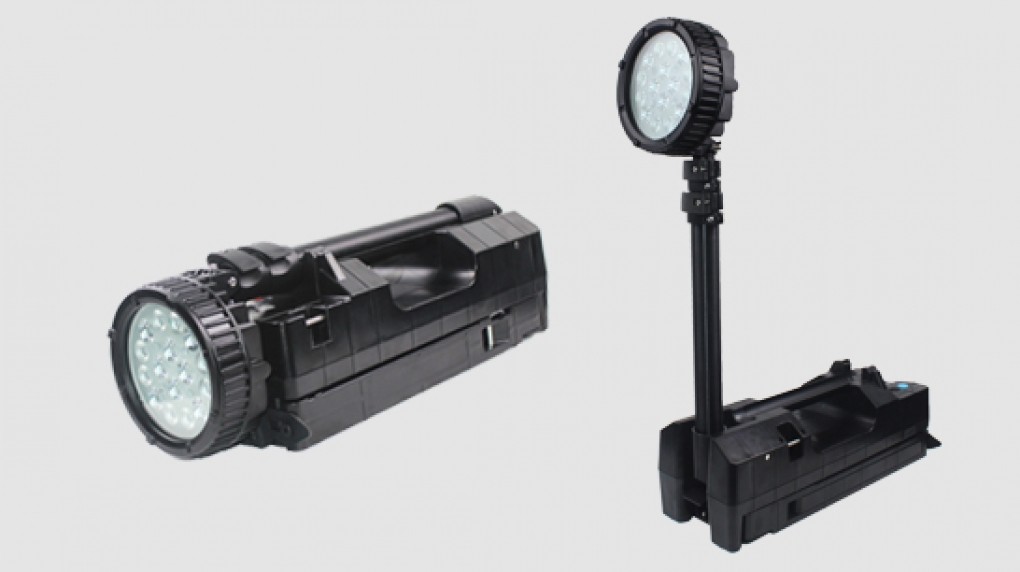
With the continuous improvement of emergency rescue safety requirements in the petroleum and chemical industries, mobile emergency rescue lamps not only need to be carried and transported over long distances, but also suitable for the construction, maintenance and emergency lighting of flammable and explosive places such as oil refining and chemical industries. In harsh natural environments, the height and irradiation angle must be flexibly adjusted during use. In addition, it needs to be charged to meet long hours of work.
CESP launched the CES-FL series, which is lightweight, portable, multi-functional, high-protection, and long-lasting. This series has been used in many occasions such as flood fighting and disaster relief.
Feature:
- Excellent energy efficiency: high brightness, lamp luminous flux>4000lm, 6m center illuminance (Spotlight)>1000lx, 3m average illuminance (floodlight)>200lx.
- Lightweight and portable: small size, light weight, can be hand-carried or carried. The lamps can also be installed with track wheels to facilitate users to move on the railway monorail;
- Multifunctional: The lamp has multiple functions and is user-friendly. It integrates functions such as concentrated light/flood light, power display, stepless dimming, and signal alarm to meet the needs of users in different environments. The standard USB charging interface can be used to charge most mobile phones and other digital products, and solve the problem that users cannot use mobile phones and other digital products when the power is exhausted when operating outdoors;
- Continuous lighting: long running time, strong light discharge time>10h, working light discharge time>16h, meeting the long-duration requirements of night construction lighting.
- Multiple modes: a variety of lighting output levels, with spotlight, floodlight and super light modes, as well as red and blue warning lights to meet the lighting needs of different places.
- High explosion-proof effect: It can be safely used in various flammable and explosive places.
- High protection: high protection, the overall protection level of the lamp is IP66, resistance to 1m drop, and can be used reliably in various rain and snow environments.
- Flexible and convenient: flexible and convenient, the lamp head can be rotated 360 degrees horizontally and adjusted 135 degrees vertically, so that the lamp has the ability to provide lighting in any direction.
Published in
CESP Ex Wiki
Tagged under
Tuesday, 12 October 2021 08:43
Explosion-proof LED Linear Light CES-EX-LN-02P
Published in
IECEx ATEX Certified Luminaires
Tagged under
Monday, 11 October 2021 02:09
High Power LED Floodlight / LED Sport Light CES-SP2
Published in
LED Flood Light
Tagged under
Monday, 11 October 2021 02:07
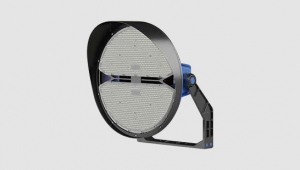
High Power LED Floodlight / LED Sport Light CES-SP1
Published in
LED Flood Light
Tagged under
Saturday, 09 October 2021 03:09
Test of encapsulated explosion-proof electrical equipment
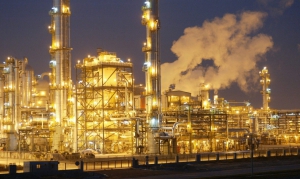
For encapsulated explosion-proof electrical equipment, all tests are conducted for the purpose of assessing various performance indicators of the encapsulating compound. The encapsulating compound meets the requirements. In principle, the explosion-proof safety performance of this explosion-proof type can be guaranteed.
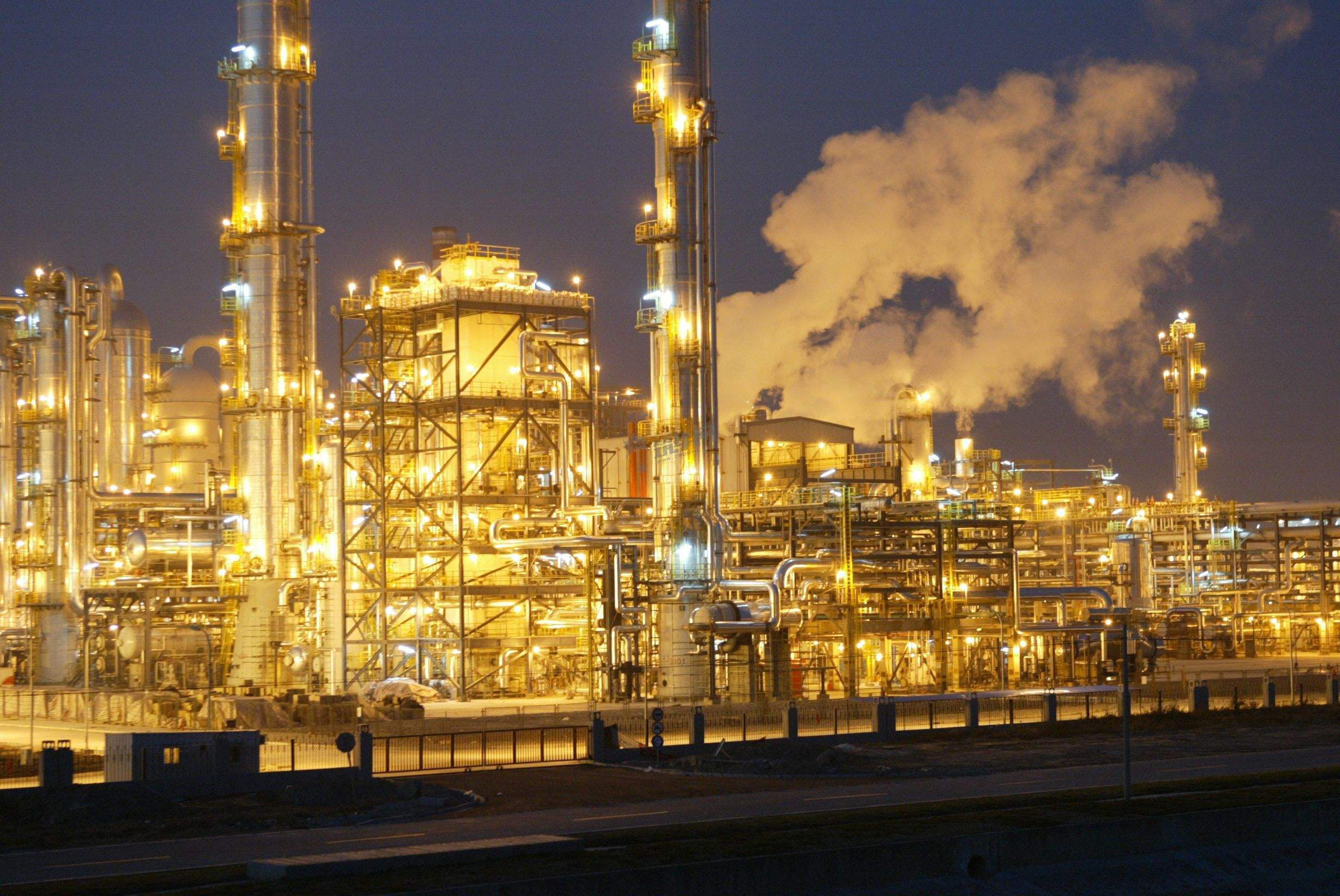
The potting compound used in potting type explosion-proof electrical equipment should withstand the following tests.
- Encapsulated compound sample test
(1) Water absorption test
When the encapsulated explosion-proof electrical equipment is used in a humid environment, the encapsulating compound should be tested for water absorption.
The test sample of the encapsulating compound is a cylinder with a diameter of (50±1) min and a height of (3±0.2) min.
During the test, the tester should first weigh the 3 dry test samples, and then put them in water at (23+2)℃ for 24h. then, take the test samples out of the water and dry and weigh them again.
After the test, the weight of the test sample should not exceed 1% of the weight of the dry sample.
(2) Dielectric strength test
The Encapsulated compound used in encapsulated type explosion-proof electrical equipment should withstand the dielectric strength test.
The test sample of the encapsulating compound is a cylinder with a diameter of (50±1) min and a height of (3±0.2) min.
During the test, the tester should symmetrically place the test sample on two circular electrodes with a diameter of (30 ± 1) min, and the electrodes are made of brass. The surface contacting the test sample should be flat and smooth (R. ≤ 0.8). The prepared test sample should be placed in an environment at a high temperature point in the continuous operating temperature (COT) range of the encapsulating compound for 24 hours for pretreatment.
Then, the tester applies a charging voltage of 4kV (error 0-5%, effective value) at a frequency of 48-52 Hz (or 58-62 Hz) between the two electrodes of such a test sample for at least 5 minutes.
During the test, no flashover or breakdown should occur at the test site.
- Heat and cold resistance test
The heat and cold resistance test of encapsulated explosion-proof electrical equipment should be carried out in accordance with the general test requirements for explosion-proof and explosion-proof electrical equipment.
However, the temperature used in the heat resistance test should be:
1) For "ma" class equipment and "mb" class equipment
- The highest external surface temperature of the test sample when it runs under fault conditions.
- The maximum temperature of the surface of the components encapsulated in the encapsulating compound when the test sample is running under the rated operating conditions.
2) For "mc" class equipment
The highest surface temperature of the test sample when it is operated under rated operating conditions plus the temperature value of at least 20K.
In the test of "ma" class equipment and "mb" class equipment, if the temperature of the former is used as the test temperature in the heat resistance test, the test sample should also withstand the following thermal cycle test.
- Thermal cycle test
When conducting thermal cycle test for encapsulated explosion-proof electrical equipment, the tester should place multiple temperature sensors in the test sample.
The sensor can be placed on the outer surface of the test sample, and it should also be placed at the hottest possible position inside the test sample.
During the test, the tester should place the test sample in an environment with a temperature of (21±2)oC for 24h without electricity; then, place it in an environment of (t...+10-1-2)°C until The temperature difference between the inside and outside of the sample is less than 2K; the test sample is energized (the voltage is the upper limit of the rated voltage) to produce a temperature not greater than 2K on the thermal protection device (the internal thermal protection device can be Bridged together).
Here, t represents the maximum operating ambient temperature of the encapsulated explosion-proof electrical equipment.
This test state is maintained until the internal temperature of the test sample is stable (the temperature change is not more than 2K/h).
At this time, the tester cuts off the power of the test sample, removes the test sample from the environment of (t±10)℃ and cools it to (21±2)℃; then, place it in an environment with a temperature of (t±5)℃, Until the temperature inside and outside the test sample is not greater than 2K; then, the test sample is energized again (the voltage is the upper limit of the rated voltage) to generate a temperature not greater than the protection temperature of 2K in the thermal protection device (the internal temperature during the test) Thermal protection devices can be bridged together).
Here, t represents the minimum operating ambient temperature of the encapsulated explosion-proof electrical equipment.
This test state is maintained until the internal temperature of the test sample is stable (the temperature change is not more than 2K/h).
The above test process is a cycle. The thermal cycle test should be carried out for 3 cycles.
After the end of the heat resistance test, cold resistance test or (and) thermal cycle test, the encapsulating compound must not crack, fall off, shrink, expand, soften and other signs that affect safety performance.
Published in
CESP Ex Wiki
Tagged under
Thursday, 07 October 2021 09:11
CESP Achieves PQ Approval and Joins ADNOC's Esteemed Supplier Network
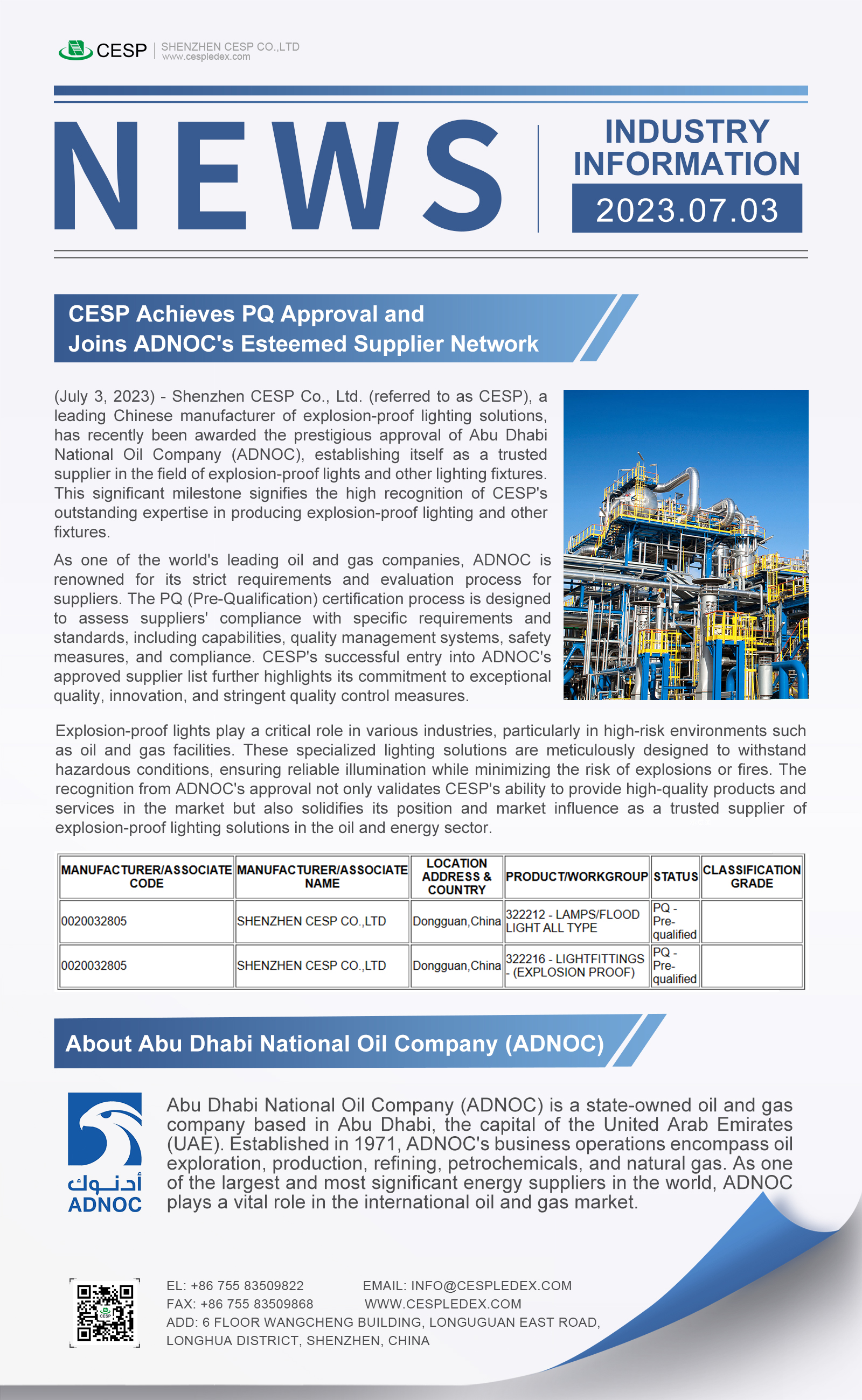
July 3th, 2023 - Shenzhen CESP Co., Ltd. (referred to as CESP), a leading Chinese manufacturer of explosion-proof lighting solutions, has recently been awarded the prestigious approval of Abu Dhabi National Oil Company (ADNOC), establishing itself as a trusted supplier in the field of explosion-proof lights and other lighting fixtures. This significant milestone signifies the high recognition of CESP's outstanding expertise in producing explosion-proof lighting and other fixtures.
As one of the world's leading oil and gas companies, ADNOC is renowned for its strict requirements and evaluation process for suppliers. The PQ (Pre-Qualification) certification process is designed to assess suppliers' compliance with specific requirements and standards, including capabilities, quality management systems, safety measures, and compliance. CESP's successful entry into ADNOC's approved supplier list further highlights its commitment to exceptional quality, innovation, and stringent quality control measures.
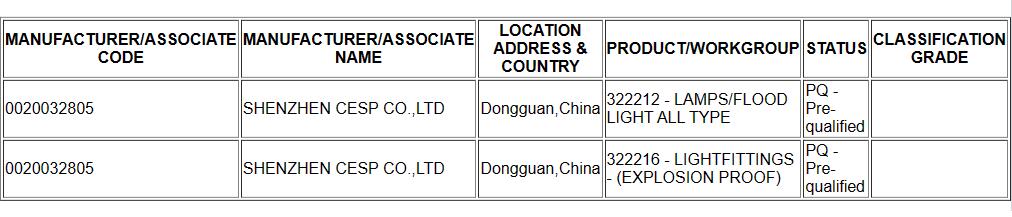
Explosion-proof lights play a critical role in various industries, particularly in high-risk environments such as oil and gas facilities. These specialized lighting solutions are meticulously designed to withstand hazardous conditions, ensuring reliable illumination while minimizing the risk of explosions or fires. The recognition from ADNOC's approval not only validates CESP's ability to provide high-quality products and services in the market but also solidifies its position and market influence as a trusted supplier of explosion-proof lighting solutions in the oil and energy sector.
About Abu Dhabi National Oil Company (ADNOC):
Abu Dhabi National Oil Company (ADNOC) is a state-owned oil and gas company based in Abu Dhabi, the capital of the United Arab Emirates (UAE). Established in 1971, ADNOC's business operations encompass oil exploration, production, refining, petrochemicals, and natural gas. As one of the largest and most significant energy suppliers in the world, ADNOC plays a vital role in the international oil and gas market.
Published in
Company News
Tagged under
Monday, 13 September 2021 08:08
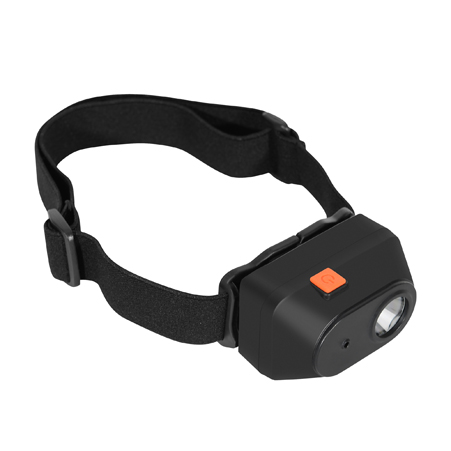
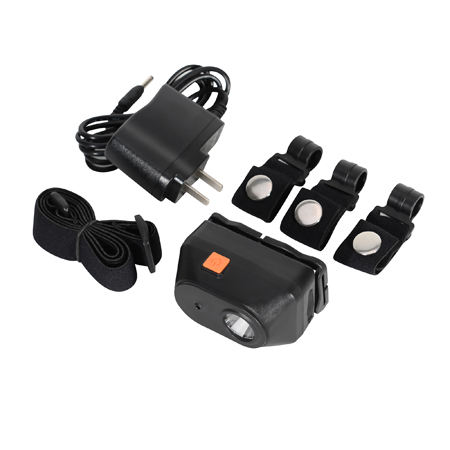
Explosion-proof LED headlamp FL-308E-T
Explosion-proof LED Headlamp
Item NO.: CES-EX-FL-308E-T
This explosion proof led headhamp is intrinsically safe type, it widely used in grid power, factory power, metallurgical industry, oil field, public security, firefighting, railways, military and other industries to provide emergency work lighting (zone 1 and zone 2).
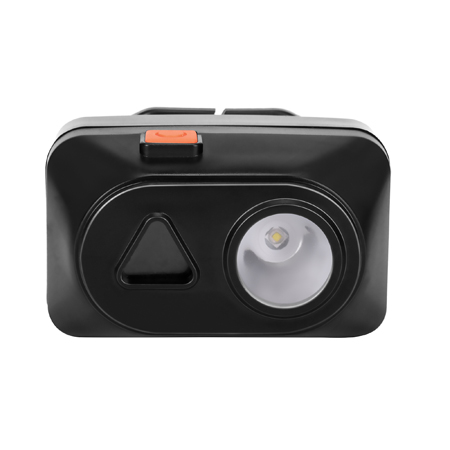
- Security & Reliability: the FL-308E has passed the explosion-proof certification from national authority, has excellent explosion-proof performance and great antistatic capability, and can be used safely and reliably in various flammable and explosive locations.
- Superb Energy Efficiency: LED light source adopting world famous brand, high lumen efficiency, high CRI, low energy consumption, extra-long service life, maintenance free results in no further operation costs
- Economically & Environmentally Friendly:High-energy memoryless lithium battery has the advantages of large capacity, long service life, charging flexibility, high number of rechargeable times, low self-discharge rate, economically and environmentally friendly.
- Intelligent control: There are three working modes: strong light, working light and stroboscopic. The switch is controlled by intelligent chip, and the strong and weak light can be converted at wil. The intelligent charger is equipped with overcharge, short circuit protection and charging display device, which helps prolong the service life of the lamp.
- Power level detection: Specially designed power level signaling light enables the user to investigate the current power level of the lamp, when the battery voltage level is insufficient, the strong light mode will be automatically switched to the working light mode, so as to be used under emergency situations.
- Easy to use: humanized design, can be directly worn or installed on the helmet, and the lighting angle can be adjusted at will.
- Light weight and strong durability: Small size, light weight, structurally sound design, aesthetically pleasing. It can be handheld, slanted on, hung and so on, to meet various work demands.
- Convenient and flexible: Small size, light weight, structurally sound design, and aesthetically pleasing.
Battery
- Rated voltage: 3.7V
- Rated capacity: 1.5Ah
- Battery battery life: 1000hours
- Charging time: <=8 hours
- Battery type: Polymer battery
Parameters
- Gear: 3-Step
- Drop height: 2 M
- Dimensions: 42x48x68mm
- Weight: 96g
- Protection Level: IP66
- Ex Markings: Ex ib IIC T4 Gb
Light Source
- Rated power: 3W
- Illuminance value: 840 Lux
- Luminous flux: 150lm
- Irradiation distance: 116 M
- Light intensity: 3360 cd
- Average service life: 100000 hours
- Working time: strong lighting mode>=8 hours,
working lighting mode>=16 hours
Operation Instructions
1.Before use, Insert the plug of this explosion proof headlamp's factory supplied charger into the charging hole at the tail of the lamp to charge the lamp. While charging, the indicator light is red. When fully charged, the indicator light turns green. The charger has a built-in charging protection device. If the charger is connected to the power supply and not charging, the indicator light will be shown as green;
2. When using the FL-308E-T explosion proof led head lamp, first press on the switch will turn on the working light, second press on the switch will turn on the strong light, third press on the switch will turn the light off. If the switch is pressed for 3 ~ 5 seconds, the light source will be in stroboscopic state, which can be used for warning and signal communication.
3. If the explosion proof led headlamp is fully charged, it can be used at any time within 3month, if the lamp is to be left unused for a long time, please make sure it’s charged to its full capacity every other 3 months.
Special Note
When the battery is lower than 30% (with 1 ~ 2 hours service time left), the red signal light will be on, and the strong light mode will be switched to the working light mode; when the battery power is lower than 10%, the red signal light will flash, indicating that the battery power is about to be exhausted (with 20 ~ 30 minutes service time left). At this time, stop using the lamp and charge it in a safe place.
Warning
1. When using CES-EX-FL-308E-T explosion proof led headlamp for the first time, please make sure it's fully charged.
2. When carrying or transporting the lamp, please make sure buttons and switches are free from external pressure, so that the lamps are not turned on accidentally and lose power.
3. It is strictly forbidden to clash or throw the lamps. If dropped into water solution accidentally, the lamps need to be wiped clean immediately.
4. Do not look at the light directly, and avoid directing the lamp light into the eyes, due to the damages it may cause to the eyes.
5. Do not disassemble the lamp, especially the sealed parts.
6. When charging, please note that the model of the charger and the type of charging port must not be confused
7. Do not hit, throw, stab or put the battery into the fire to avoid danger!
Published in
Portable Explosion-proof Lighting
Tagged under