


IECEx ATEX Certified Explosion proof LED Lights - Zone 1 Zone 2 Hazardous Area Lighting
CESP Zone 1 Zone 2 hazardous location LED lights are in accordance with International Protection Techniques (Equipment Protection Levels), including IEC/EN 60079-0 (General Requirement), IEC/EN 60079-1 (Flameproof Enclosure), IEC/EN 60079-7 (Increased Safety), IEC/EN 60079-11 (Intrinsic Safety), IEC/EN 60079-15 (Type of Protection), IEC/EN 60079-18, IEC/EN 60079-28, IEC/EN 60079-31. If you are not sure about the Classified of your lighting application environment, please contact our technical department for the solution.
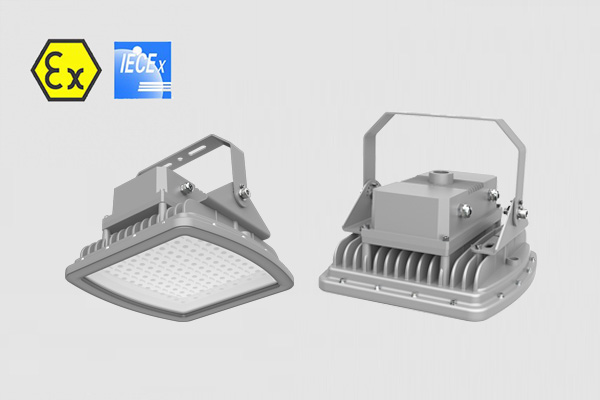
For Zone 1 Zone 2, Zone 21 Zone 22 hazardous area led lighting, 20W - 200W, 130lm/W,aluminum alloy + 8mm tempered glass, multi-installation for different projects, such as light tower, canopy light, marine grade.
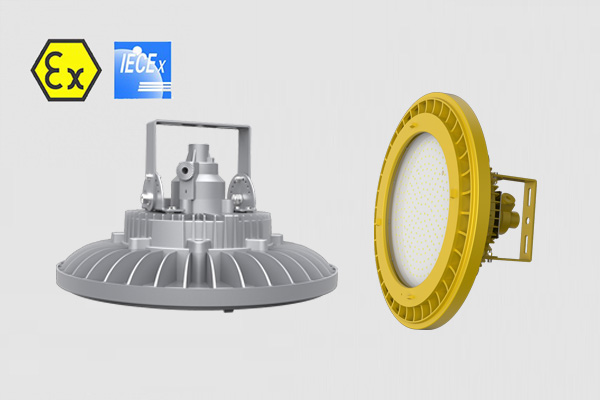
Flameproof enclosure, Ex db op is IIC T6 Gb, Zone 1 & Zone 21 with explosive gas atmosphere, Zone 21 and Zone22 with explosive dust atmosphere, 10mm temered glass, 7J impact resistance,up to 26000lm.
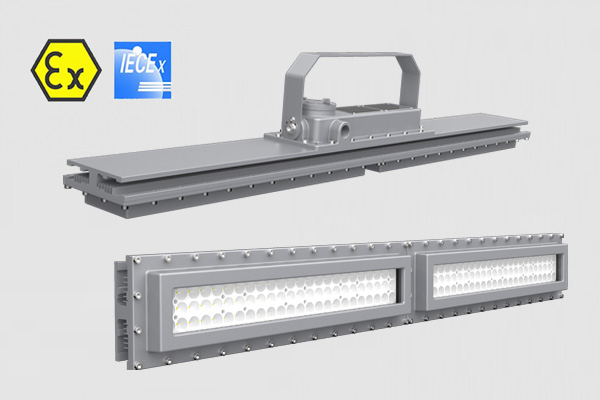
Flameproof enclosure, Ex db op is IIC T6 Gb, IP68 protection grade, tempered glass 10mm, withstand impacts up to 10J, 2 foot and 4 foot Length, 50Watt- 240Watt, 130lm/W light efficacy.
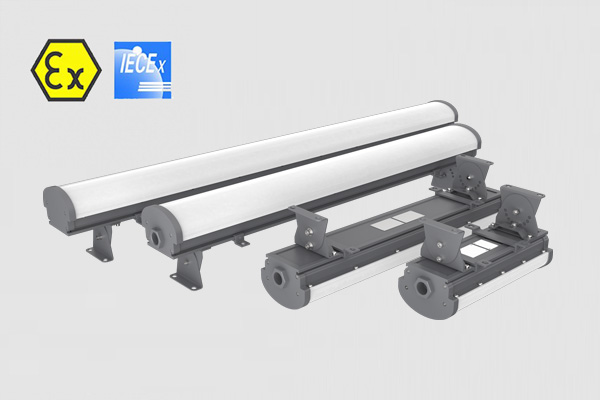
Zone 1 & Zone 21, 1ft, 2ft, 3ft, 4ft length can be selected, replace the traditional explosion-proof three-proof lamp, explosion-proof fluorescent tube, anti-corrosion, anti-glare, anti-drop, competitive price.
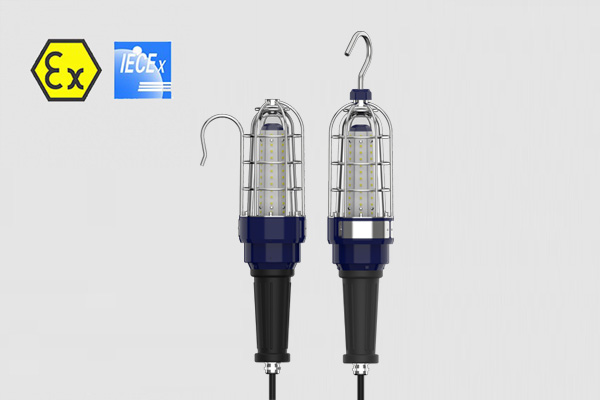
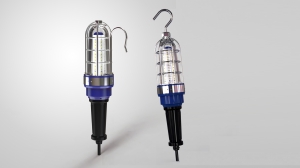
Flameproof LED hand lamp for Zone 1 & Zone 21 hazardous areas, 10mm tempered glass, pass the multi-angle drop test, 10W, 20W, 30W Power, can be connected to the cable, emergency power box.
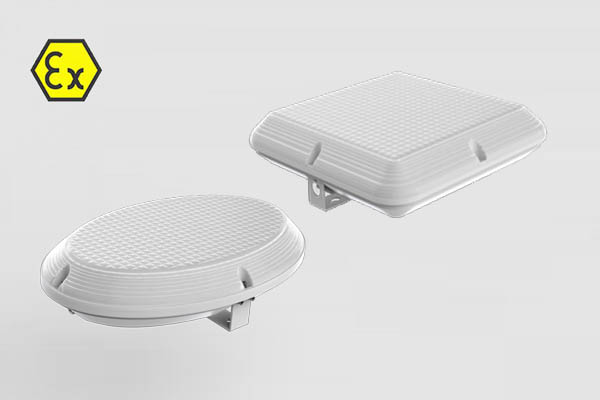
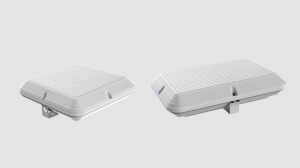
The CES-EX-SF series explosion-proof ceiling lamp has a strong shell, with features such as impact resistance, vibration resistance, and corrosion resistance. It can be used in hazardous environments of Zone 1&21, Zone 2&22.
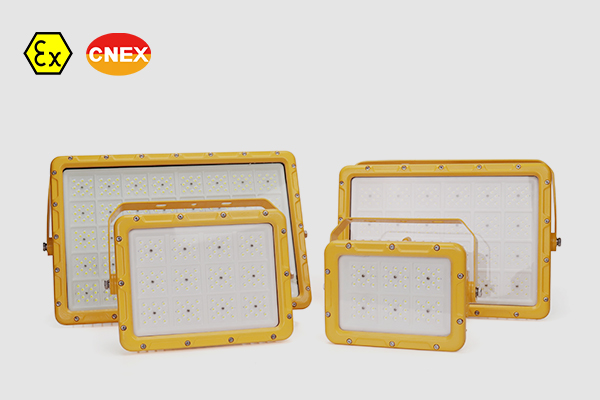
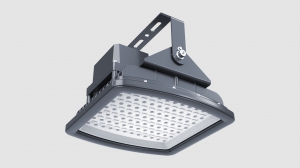
CES-EX-JX Series is your go-to solution for illuminating hazardous Zone 1 and Zone 21 areas. With ATEX approval, these Explosion-proof LED Flood Lights offer unbeatable safety standards.
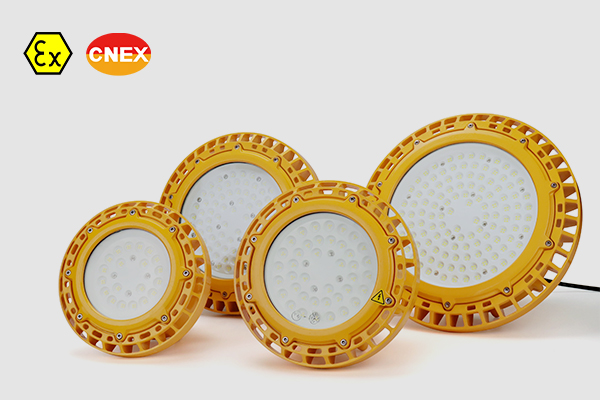
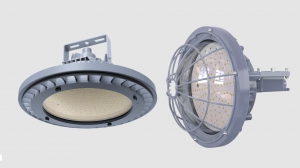
Discover the pinnacle of safety and illumination with our CES-EX-GBX Series Explosion-proof LED High Bay Lights. Designed for hazardous Zone 1 and Zone 21 areas, these lights boast ATEX approval, ensuring the highest safety standards.
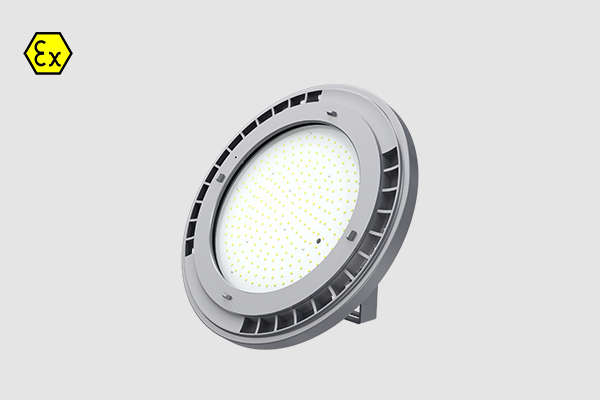
GB-02 explosion-proof lights are made of alloy aluminum and tempered glass, with shock resistance and anti-vibration performance. The luminaires have passed the ATEX IECEx standards test, from 30W to 80W for hazardous area lighting.
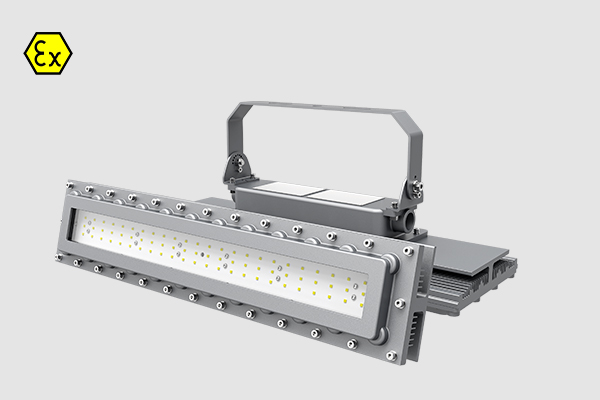
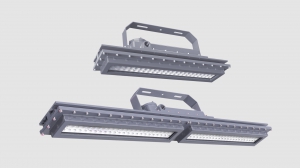
LN-02 explosion-proof lights obtained an IECEx ATEX certificate, it's safe for the Zone 1 and Zone 2 hazardous locations. The copper-free aluminum alloy body is powder-coated to increase durability and beautiful appearance, are able to withstand violent shaking and shock resistance.
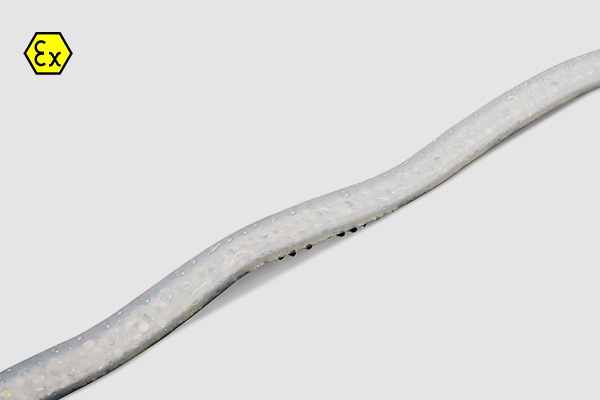
an innovative line of LED hazardous area lighting products, specifically designed for use in potentially explosive atmospheres (Zone 1/21 & 2/22) within harsh industrial settings such as coal mines and oil & gas facilities.
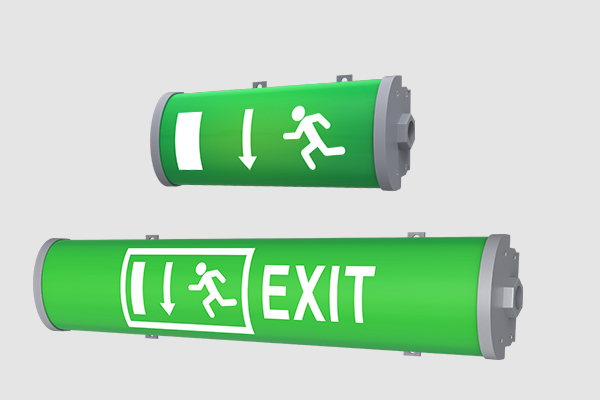
Explosion-proof safety exit lamps are for personnel evacuation, and fire operations to provide lighting fire emergency lamps! It usually uses an external power supply, when the power automatically switches to the battery power state!

Monday, 19 April 2021 08:42
Accident Analysis of Cold Storage
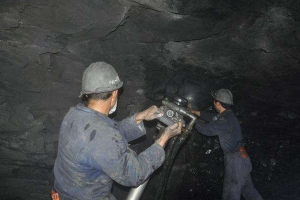
- Cold storage building and thermal insulation characteristics
Cold storage: a warehouse that uses cooling facilities to create suitable humidity and low temperature conditions. Also known as cold storage. It is a place for processing and storing products. It can overcome the influence of climate, prolong the storage period of various products, and regulate market supply.
Cold storage is a storage building group with artificial cooling and cooling functions, including warehouse, refrigeration room, power transformation and distribution room, etc. In order to ensure that the temperature in the cold storage room is maintained within the specified range, the building envelope is often set with a certain thickness of the thermal insulation layer according to the storage temperature requirements. The good flame retardant performance of thermal insulation materials is one of the important factors to decrease the fire accident of cold storage. Before the 1980s, the commonly used thermal insulation materials in cold storage were cork and rice husks. Because of its high moisture absorption, easy decay after pyrolysis, and easy decomposition and combustion at high temperature, it was gradually superseded by EPS,PU and XPS.
According to the different building structures, cold storage can be divided into civil cold storage, combined cold storage, mixed cold storage, etc. The civil cold storage adopts reinforced concrete as the support structure of the warehouse, and its enclosure structure is brick concrete material with additional thermal insulation material. The combined cold storage adopts light steel structure as the supporting structure of the building, and the insulation material (combined cold storage insulation board) with a certain thickness of steel plate attached on both sides is the enclosure structure of the warehouse. The hybrid cold storage is usually a multi-layer cold storage, its structure body is reinforced concrete, and the box body is made of composite cold storage insulation board.
- Problems in cold storage
- Most warehouses use old-fashioned civil structures without beams
- Cold storage hall, platform design for open type
- Configuration of cold storage equipment
- Poor overall management of cold storage facilities
- Storage facilities backward
- Insufficient number of new combined cold stores
- Common accidents in cold storage
- Fire accident
In recent years, there have been frequent fires in the freezing storage industry, especially in an explosion-proof cold storage last year, which caused a great number of casualties and caused great losses to the safety of people's lives and property.
- Refrigeration system accident
Nowadays, most refrigerators utilize freon refrigeration. Freon belongs to grade IV mild toxic substances. Now most refrigerators use freon refrigeration. Freon belongs to grade IV toxic substances. However, the content of freon in the air reaches a certain degree, which can cause asphyxia. When the concentration of ammonia in the air is between 16% and 25%, explosion accidents may occur in case of open fire . Due to the frequent occurrence of quality accidents in cold storage systems, compressor damage and refrigerant leakage, many losses have been caused to enterprises.
- Cause analysis of common accidents
- Cause of fire accident
Combustibles, fire sources and combustion supporting materials are the three inevitable factors that cause the combustion of combustibles in a fire. As combustion supporting gas exists in the atmosphere, the causes of cold storage fire can only be analyzed from two aspects of combustible materials and fire source.
The thermal insulation materials for the pipes of cold storage buildings and equipment are the worst combustibles in the warehouse. Among the building materials used in the existing cold storage, the thermal insulation material of the cold storage has the highest combustion performance. Some common cases, such as Fengfeng poultry Co., Ltd. and Food Co., Ltd., are all caused by the burning of thermal insulation materials. In addition, in the early 1990s, the welding operation outside a prefabricated cold storage warehouse in a city caused a fire of the insulation material of the refrigeration pipeline, which rapidly expanded to the insulation wall of the cold storage along the insulation pipe, causing the cold storage fire and the steel structure of the cold storage collapsed. The main body of combustibles is the insulator.
The main causes of fire accidents in cold storage are electric gas welding, cutting operations, short circuits of cable, illegal use of open fire and so on. In 2015, there were 54 cold storage fire accidents, of which 65% were caused by electrical welding, cutting and other operations ;6% were caused by illegal use of open fire ;29% were caused by short circuit of electrical lines ;29% were caused by strong concealment; and 6% were caused by carelessness.
- Failure of refrigeration system
The cause of failure of refrigeration unit can be divided into refrigeration system without reasonable maintenance, often small work, running with disease, after the construction of cold storage, must not ignore, resulting in equipment annual inspection is not up to standard, aging accelerated, Thus occurs the refrigeration system ammonia refrigerant exposure phenomenon. Secondly, the cold storage design project is not perfect, unlicensed design, no professional technology installation construction, some cold storage cost is low, some cold storage construction enterprises choose a large number of defective or second-hand materials, so that the safety of cold storage can not be effectively guaranteed.
Normal use of cold storage fires, insufficient air, inadequate combustion, high carbon monoxide content. The acute lethal concentration of carbon monoxide is only 0.5, colorless and tasteless, and the activity is very strong. If the personal protection of firefighters is not in place, acute poisoning easily occurs. Accordingly, the equipment and facilities of the cold storage should select some mechanical products that meet the requirements of safety certification, such as UL、CSA、ETL、IECEx-CB certification, so as to avoid accidents caused by fire, poisoning and other auxiliary equipment caused by the equipment itself.
CESP explosion-proof linear lamp obtained ATEX/IECEx/UL certification, suitable for Zone1&21,Zone2&22 hazardous areas, can fully meet your advanced explosion-proof requirements. Die cast aluminum shell made of high technology core pulling system is used in the shell. At the same time, the engineer has carried out a special design to improve the heat dissipation effect and make the life of explosion-proof lamps longer, which can reach more than 50000 HRS. Linear explosion-proof light also uses high-quality LEDlm80 lamp beads, while saving energy and environmental protection, but also has strong light-effect lighting. Light reflection cup design, folding 120 degrees.
With the increase of cold storage demand, the requirements for safety are gradually increasing. CESP focuses on the research and development, manufacture and sale of high-quality military patented products, it is a famous manufacturer OEM/ODM explosion-proof lamps in China and a supplier of lighting solutions in hazardous areas.
Description:With the continuous development of the cold chain logistics industry, the number of users who need to build cold storage is increasing. Once anything develops too fast, all kinds of malpractice will gradually emerge. Only in this way can the normal use of cold storage and the personal safety of employees be guaranteed.
Compact 20 Watt Led Tube Lamps T8 Explosion Proof For Cold Storage Food Factory for sale, China LED Tri Proof Lights wholesaler, China LED Tri Proof Lights manufacturer, China LED Tri Proof Lights exporter, China LED Tri Proof Lights company认证
Published in
blog
Tagged under
Wednesday, 24 March 2021 01:45
Hazardous Location LED Hand Light CES-SC
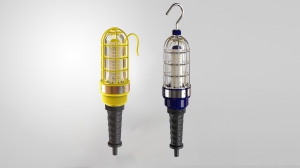
- If you need Explosion Proof LED Luminaires for Zone 1 & 21, please click here: (IECEX / ATEX) Explosion Proof LED Luminaires
Published in
UL HazLoc Certificated LED Luminaires
Tagged under
Wednesday, 24 March 2021 01:34
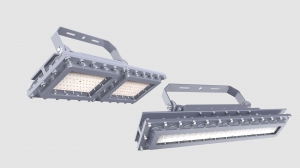
Hazardous Location LED Linear Lights CES-LN02
Applications:
- CES-LN02 Explosion proof LED linear lights can replace the traditional Explosion proof fluorescent lights for the wastewater treatment, oil and gas refineries, drilling rigs, petrochemical facilities, food and beverage facilities, tunnels, outdoor wall and stanchion mounted Class 1 Division 2, Class II Division 2, Class III hazardous location and general area lighting, and where flammable vapors, gases, ignitable dusts, fibers or flyings are present.
- If you need Explosion Proof LED Line Luminaires for Zone 1 & 21, please click here: (IECEX / ATEX) Explosion Proof LED Line Luminaires
Features:
- Industry-leading efficacy: up to 120LPW;
- CTT: 3000K~6500K
- -40°C to +50°C ambient operating temperature
- Low profile fixture
- Wide optics for uniform illumination
- Fxture warranty
- Entry Size: 3/4’’-14 NPT
Standard Materials:
- Housing –Aluminum alloy (ADC12 and 6063);
- Lens –tempered glass; (The cover is made of 6mm thick tempered glass, which can withstand impacts up to 4J)
Mounting (ordered separately):
Versatile mounting options:
- Ceiling mount
- Wall Mount
- Drop Mount
Mounting Angle:0° to ± 90°;
Exception: When installing models CES-EX-LN-02-150, CES-EX-LN-02-120, CES-EX-LN-02-100, CES-EX-LN-02-80 in ignitable dusts, fibers or flyings, do not allow the lamp cover to be installed upwards.
Certifications and compliances:
- NEC/CEC:
- Class I, Division 2, Groups A, B, C and D
- Class II, Division 2, Groups F and G
- Class III
- T-Class: T *
- Damp and wet locations
- Certification body:UL
- Certification Mark:CUL
- Certificate No:E475887
“*”:
|
Ta Model |
Ambient temperature range |
|||
|
Class I |
Class II and Class III |
|||
|
-40°C ~ 40°C |
-40°C ~ 45°C |
-40°C ~ 50°C |
-40°C ~ 50°C |
|
|
CES-EX-LN-02-150 |
T3C |
T3C |
T3C |
120°C |
|
CES-EX-LN-02-120 |
T4A |
T4A |
T4A |
120°C |
|
CES-EX-LN-02-100 |
T4A |
T4A |
T4A |
120°C |
|
CES-EX-LN-02-80 |
T5 |
T5 |
T4A |
120°C |
|
CES-EX-LN-02-60 |
T4A |
T4A |
T4A |
116°C |
|
CES-EX-LN-02-50 |
T5 |
T4A |
T4A |
116°C |
|
CES-EX-LN-02-40 |
T5 |
T5 |
T4A |
116°C |
Standard :
US: UL 844; UL 1598;
Canada: CSA C22.2 No. 137; CSA C22.2 No. 250.0;
Warning:
CUL for Hazloc:
- SUITABLE FOR WET LOCATIONS;
- THIS LUMINAIRE IS ACCEPTABLE FOR OPERATION IN AMBIENT CONDITIONS NOT EXCEEDING 50 °C;
- FOR SUPPLY CONNECTION, USE WIRES RATED FOR AT LEAST 90°C;
- NO SERVICEABLE PARTS” OR “NO USER SERVICEABLE PARTS. DO NOT OPEN FOR CLEANING.;
- CAUTION - ″TO REDUCE THE RISK OF IGNITION OF HAZARDOUS ATMOSPHERES, DISCONNECT THE LUMINAIRE FROM THE SUPPLY CIRCUIT BEFORE OPENING. KEEP TIGHTLY CLOSED WHEN IN OPERATION.″;
- THIS PRODUCT MUST BE INSTALLED IN ACCORDANCE WITH THE APPLICABLE INSTALLATION CODE BY A PERSON FAMILIAR WITH THE CONSTRUCTION AND OPERATION OF THE PRODUCT AND THE HAZARDS INVOLVED;
- “CAUTION – RISK OF SHOCK” and “DISCONNECT POWER BEFORE SERVICING”.
Technical table:
|
Model |
Power (W) |
Input voltage: AC100-277V; Frequency: 50/60Hz; |
|||||
|
CCT:3000K~6500K |
|||||||
|
Power factor:0.97 |
|||||||
|
Luminous flux (LM) |
Light efficiency (Lm/W) |
LEDs Chip |
LEDs Type |
Power Model |
Weights (kg) |
||
|
CES-EX-LN-02-40 |
40 |
4800 |
120 |
72PCS |
2835(3V) |
HLG-60H-36A |
7.5 |
|
CES-EX-LN-02-50 |
50 |
6000 |
120 |
72PCS |
2835(3V) |
||
|
CES-EX-LN-02-60 |
60 |
7200 |
120 |
72PCS |
2835(3V) |
||
|
CES-EX-LN-02-80 |
80 |
9600 |
120 |
144PCS |
3030 (6V) |
HLG-150H-36A |
10.6 |
|
CES-EX-LN-02-100 |
100 |
12000 |
120 |
144PCS |
3030 (6V) |
||
|
CES-EX-LN-02-120 |
120 |
14400 |
120 |
144PCS |
3030 (6V) |
||
|
CES-EX-LN-02-150 |
150 |
18000 |
120 |
144PCS |
3030 (6V) |
||
Dimensions:
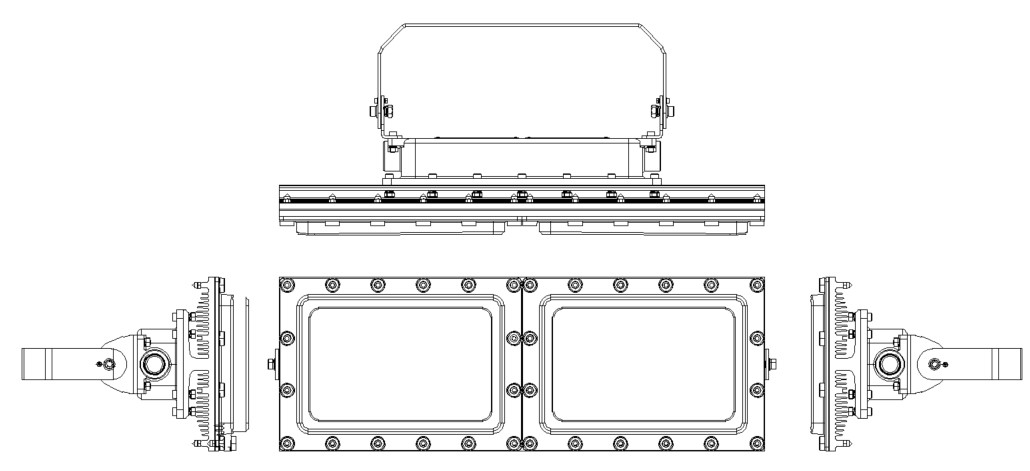
Figure 1 applies to Models CES-EX-LN-02-40, CES-EX-LN-02-50, CES-EX-LN-02-60 Explosion proof LED Linear Light
L x W x H: 596 mm x 126 mm x 114mm
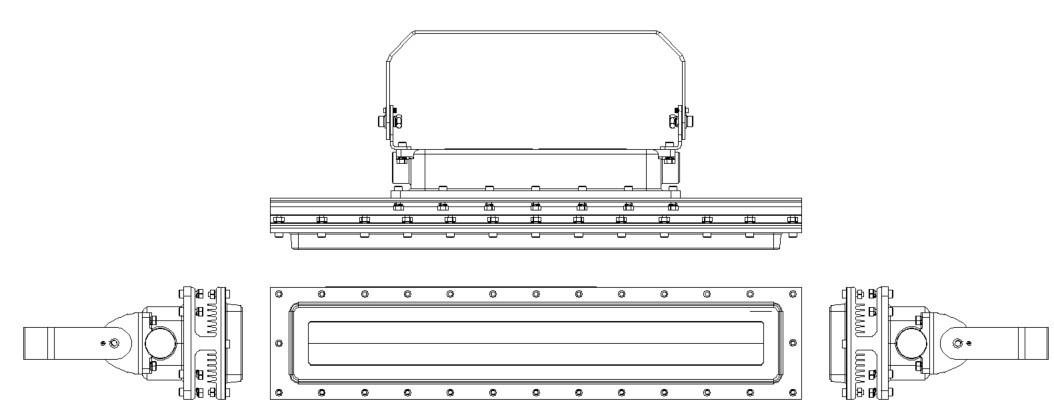
Figure 2 applies to models CES-EX-LN-02-80, CES-EX-LN-02-100, CES-EX-LN-02-120, CES-EX-LN-02-150 Explosion proof LED Linear Lights
L x W x H: 564 mm x 202mm x 112mm
Published in
UL HazLoc Certificated LED Luminaires
Tagged under
Tuesday, 23 March 2021 08:26
According to the operating pressure
Fire hazard analysis of distillation units
According to the operating pressure, can be divided into atmospheric distillation, vacuum distillation (for high boiling point, difficult to volatilize or high temperature distillation can cause decomposition, explosion, polymerization and other heat sensitive substances mixture, decompression can reduce the boiling point of materials, thereby reducing the distillation temperature, increase safety, such as nitrotoluene decomposition explosion at high temperature, styrene easy to polymerize at high temperature; also can be used for highly toxic materials distillation to prevent leakage into the air), pressurized distillation (for atmospheric pressure gas system).
- Method of distillation
(1) According to the continuity of production, it can be divided into continuous distillation and intermittent distillation.
(2) According to the operation mode, it can be divided into no reflux and reflux distillation; among them, no reflux is divided into simple distillation and equilibrium distillation, and reflux distillation is called distillation; distillation can be divided into general distillation and azeotropic distillation, extractive distillation, steam distillation and so on.
- Composition of distillation
A complete distillation system is generally composed of a distillation tower, reboiler, condensing cooler, reflux tube, material pump, product storage tank, etc., or maybe a combination of two or more of them. Simple distillation system is usually composed of a distillation kettle and its heating device, condensing cooler and receiving tank. The heating device of kettle distillation has the jacket type outside the kettle, the inner coil type of the kettle, and some materials also adopt the direct fire heating type or electric heating type outside the kettle.
- Brief process flow
Take the atmospheric and vacuum equipment in petroleum refining as an example to carry on the risk analysis. According to the characteristics of the production process, The technology uses atmospheric and vacuum distillation, The fractionator has two side lines, The first line (about 157℃) is distilled and heated to 90℃ by pump and feedstock, Combined with the second line, cooled to 45℃, As a fuel oil 2#(heavy diesel) outlet device; The second line (about 259℃) was distilled and heat transferred to 94℃ by pump and feedstock, Combined with the front line, cooled to 45℃, As a fuel oil 2#(heavy diesel) outlet device. stripping tower (I): stripping tray 10 layers, operating temperature 175℃, Operating pressure 0.1 MPa; stripping tower (II):6-layer stripping tray, Operating temperature 260℃, Operating pressure 0.1 MPa.
- Analysis of the fire and explosion hazard of atmospheric and vacuum distillation units
- materials and products are fire and explosion hazards
Most of the raw materials, intermediates and products in the process of atmospheric and vacuum distillation of petroleum refining belong to fire dangerous goods, in which crude oil and light oil are flammable, explosive, easy to evaporate, and have flammable gas, which will explode when the source of fire occurs.
- danger of electric desalination dehydration
In the process of electric desalination and dehydration, there is high temperature hot oil, electric device with high voltage electric field, if the desalination tank is not filled with raw oil or air, start high voltage power supply; Or high-voltage electrical insulation or high electric field strength insulation breakdown, will lead to fire and explosion.
The overpressure of the electric desalination dehydration tank and the untimely unloading of the safety valve lead to the leakage of the pipeline and flange connection of the desalination dehydration tank, the loss of the raw material oil, and the fire and explosion accident caused by the ignition source.
The crude oil is operated in the electric desalination tank with a temperature of 130~145℃ and a pressure of 0.9~1.2 MPa. In addition, the runaway interface in the tank can easily cause oil with water or water with oil, bring fluctuations to production and threaten safety. The composition of crude oil is complex. If the water content of the inlet device is too large, it is easy to cause dehydration of the electric desalination tank, and a large amount of water enters the heat transfer system and tower, which can cause overpressure oil leakage of the equipment and take off the safety valve of the atmospheric pressure tower when it is serious.
- Fire hazard in distilled parts
operation temperature of the system is high, the high temperature is above 400℃, the medium is flammable and explosive. If the equipment failure or aging, or human factors such as illegal operation, misoperation caused by leakage, open fire or high heat fire and explosion risk. In addition, the cold exchange equipment in the device has a pressure difference between the tube side and the shell side. Once the phenomenon of high pressure channeling and low pressure occurs, the low pressure part will crack, resulting in material leakage, thus causing fire and explosion accidents.
In the process of distillation, because of the boiling state, the system always presents a gas-liquid coexistence state. If the material leaks out or inhales air because of equipment rupture or operation error, or because of condensation and insufficient cooling, a large amount of steam escapes through the storage tank and other parts, explosive gas mixture can be formed.
Due to the increase of sulfur content, the properties of feedstock oil change, the ammonia injection is not changed at the top of fractionator, and the corrosion phenomenon in the top oil and gas line, top circulation line and cold exchange system HCI-H2S-H2O fractionator increases to varying degrees, speeding up the corrosion of equipment and causing leakage accident due to corrosion, thus causing fire and explosion accident.
- readily form explosive gas mixtures
In the process of distillation, because of the boiling state, the gas-liquid coexistence state is always present in the system. If the material leaks out or inhales air due to equipment rupture or operation error, or because of condensation and insufficient cooling, a large amount of steam escapes through the storage tank and other parts, explosive gas mixture can be formed, and explosion combustion in or out of the container will occur in the ignition source. For example, before the shutdown and maintenance of a refinery decompression tower, due to the elimination of too fast vacuum, the oil and gas in the tower is very thick, the temperature is very high, the air is inhaled by the emptying valve in large quantities, resulting in an explosion accident, and the 10-story tray in the tower is blown off.
- prone to spontaneous combustion
The spontaneous combustion point of crude oil and petroleum distillate is low, such as 255~390℃ of gasoline ,350 380℃ of diesel oil and 350℃ of crude oil, while the temperature of oil in distillation unit is between 220 and 395℃.
- Complex and dangerous distillation process
Distillation operation is a complex process. There are many auxiliary equipments in distillation column, such as feed pump, heated reboiler, gas condensate cooler, reflux tube and receiving tank, side line discharge (including multiple side line discharge), top discharge, bottom discharge system, etc. For example, the distillation control temperature is too high, it is easy to appear the danger of overpressure explosion, blanking, overheating decomposition and spontaneous combustion, and even make the operation out of control and cause explosion; if the temperature is too low, there is the danger of flooding tower. For tower distillation, the amount of gasification can be increased, and uncondensed steam can enter the receiving tank, resulting in an overpressure explosion of the tank. The increase of reflux in operation will not only reduce the operating temperature in the system, but also lead to flooding towers and be out of control. The outlet pipe of distillation equipment is condensed and blocked, which will cause the pressure in the equipment to rise and explode in fire. In high temperature distillation equipment, if cold water or other low boiling point substances enter, a large amount of gasification will occur in an instant, and an explosion fire will occur due to the sudden rise of internal pressure.
- Heating systems are dangerous
The raw material should be heated to 400℃ by heating furnace before entering the decompression tower, and the furnace temperature can reach more than 700℃. If the operation of the heating furnace is improper, the flow rate of the feedstock oil in the furnace tube is too low, the residence time is too long or the temperature is too high, it will crack and coking in the furnace tube, make the furnace tube blocked and the heat conduction poor cause local overheating, lead to the leakage of the material in the furnace tube and cause the fire and explosion accident. Improper selection of furnace tube materials and serious wear and corrosion may lead to perforation, rupture or leakage of furnace tube, resulting in leakage of material in furnace tube and fire and explosion accident.
The valve, flange, gasket and so on on the outlet line of the furnace pipe cannot appear the problem, otherwise once the leakage may occur the fire. Furnace fuel can not leak, if gas leakage to the outside and air mixed to form explosive gas, heating furnace with open fire will occur deflagration. If the furnace flamenze occurs, attention should be paid to steaming the residual gas to avoid a furnace explosion.
In the starting stage of the device, the oven should be carried out to remove moisture and inspect the equipment. If the ignition temperature is not strictly operated in accordance with the rules and heating curves, it will be easy to occur equipment accidents and explosion accidents.
- equipment, pipelines vulnerable
Equipment, pipeline and so on in the long time repeated pressure and material high-speed flow, friction process, metal shell materials are prone to metal fatigue. Operation under high temperature conditions causes temperature difference stress failure and high temperature creep rupture. Tall towers and pipes are vulnerable to deformation cracks caused by additional stress such as vibration, wind, foundation sinking and external loads. Acidic in the treatment of crude oil with high sulfur content in corrosive media such as petroleum distillation
Sulfur compounds, with strong corrosion, in the pressure relief tower bottom pump outlet high temperature pipeline, atmospheric pressure tower top oil and gas volatile line, air cooler gas, liquid phase change and other parts, prone to corrosion perforation, wall thickness thinning, and then lose bearing capacity or leakage, resulting in fire.
- ignition source in the process
In order to meet the distillation requirement of oil, the temperature of the furnace chamber is very high, and the furnace is easy to become the ignition source of combustible material. Atmospheric distillation unit uses more electricity, there are distribution rooms, a large number of motors, wires, switches, control instruments, among which there is no explosion-proof or can not meet the requirements of explosion-proof grade, the generation of electric sparks or short circuit may form a source of ignition.
The high speed flow of oil in the pipeline will produce static electricity and easily accumulate, the highest electrostatic voltage can reach more than ten thousand volts, if the static electricity can not be removed in time, it may discharge to produce electric spark. During thunderstorms, if combustible gas is discharged from the top of the distillation tower, it may cause a lightning strike to catch fire. Before the equipment pipeline overhaul, the system does not carry on the thorough replacement, the cleaning, before the gas analysis qualified, carries on the fire, the overhaul operation, has the fire explosion danger.
- Technical Measures for Fire Protection and Explosion Protection
- prevent the formation of explosive mixtures
When the electric desalination dehydrator starts, the air in the tank should be drained, and then the high voltage should be connected after filling the oil, so as to avoid the explosion of the mixture of oil and gas in the tank caused by the electric spark. High voltage electrical appliances should be regularly checked, maintenance: found poor insulation or high electric field strength should stop using, to prevent the production of electric sparks.
The distillation system should strictly carry out air tightness and wind resistance inspections to ensure its airtight. When the vacuum distillation is in normal production, the flanges and emptying valves connected with the tower should be tight to prevent the formation of explosive gas in the air suction tower. After distillation, we should pay attention to the correct elimination of vacuum. When the temperature in the tower is cooled below 200℃, the vacuum in the tower can be eliminated slowly.
- operate in strict accordance with regulations
In distillation operation, not only the operating parameters such as temperature, pressure, feed quantity, reflux and so on are strictly controlled, but also the mutual restriction and mutual influence between them should be paid attention to. Automatic control systems and safety instrument systems should be used as much as possible to reduce human errors.
When steam is heated, the opening degree of the control valve should be suitable to prevent the material from evaporating sharply, and a large amount of steam cannot be discharged to increase the pressure and cause the equipment to burst. In operation, we should always pay attention to keep the distillation system unobstructed, prevent the pipe from clogging, pressure rise, and cause danger. To avoid the low boiling and water entering the high temperature distillation system, the condensed water in the tower and its auxiliary equipment must be released before the high temperature distillation system starts, so as to prevent the sudden contact with the high temperature material from vaporizing and pressurizing and causing the spray or explosion.
- Anti-corrosion Measures
Distillation equipment and pipes should meet the requirements of safe production in material and design. Reasonable flow rate and necessary corrosion margin can be used to avoid 90℃ of quick turning elbows on the oil transfer line, select suitable corrosion resistant materials, coatings and wear-resistant liners, adopt anode protection and cathodic protection, and take process anticorrosion measures, such as sulfur containing materials to be treated before entering distillation equipment, use neutralizer and corrosion inhibitor, etc.
- Inspection and maintenance of reinforcing devices
It is found that the equipment breakage should be repaired in time, the instruments, instruments, equipment containers, pipelines and so on should be replaced regularly, and the equipment running with disease, overdue service and overload operation should be resolutely eliminated.
Heating furnaces must be strengthened maintenance, each overhaul must measure the thickness of the pipe wall, cleaning furnace coke removal. If the furnace is old and the pipe is denuded seriously, it should be updated.
- Installation of safety devices and fire fighting facilities
Desalination dehydration tank should be installed blackout, stop pump, oil leakage alarm device, and pay attention to check its use.
Distillation equipment should have a complete temperature, pressure, and flow meter device. Vacuum distillation pumps should be equipped with a one-way valve to prevent the sudden stop of air into the equipment. Pressure distillation equipment should be provided with a safe discharge device. Heating furnaces should be equipped with explosion doors, so that explosions can be a timely pressure relief. The system should be equipped with emergency emptying pipes and other safety devices to ensure the rapid discharge of materials in the reactor and prevent explosion accidents. The exhaust pipe of the system shall be connected to the torch system, and the fire arrester shall be installed on the pipe.
The electrical equipment of the atmospheric and vacuum distillation unit must be explosion-proof and well grounded. Fixed flammable gas leakage monitoring alarm should be installed in the installation area and tank area to detect oil and gas leakage in time.
The heating furnace, distillation tower and stripping tower should be equipped with steam fire extinguishing facilities, and the foam fire extinguishing system should be installed in the device. The control valve should be located in a convenient place to ensure that the device can quickly and timely control its spread and expansion once the fire occurs.
- Strengthening Fire and Explosion-proof Safety Management
There are more pressure vessels in the pretreatment device, and there is the danger of overpressure explosions. When the pressure vessel overpressure ruptures, the energy released by the expansion of gas or high temperature material causes the vessel to crack further and causes the vessel debris to fly around at a higher speed, resulting in casualties or property losses. At the same time, flammable and explosive materials or high temperature materials leaking from container explosions will cause fire and explosion in case of ignition source.
Formulate sound rules and regulations for fire safety production, responsibility system, electricity and fire use system, and effective and perfect emergency handling rules, establish and formulate strong fire safety supervision, inspection and inspection, system, timely detection of hidden dangers of accidents, control unsafe factors.
Distillation, if the equipment failure or aging, or human factors such as illegal operation, misoperation caused by leakage, open fire or high heat fire and explosion risk. In serious cases, explosive gas mixture can be formed if the material leaks out or inhales air due to equipment rupture or operation error, or if a large amount of steam escapes through the storage tank due to insufficient condensation and cooling, and explosion combustion in or out of the container will occur in case of ignition source. Therefore, distillation of the selected equipment is due to careful consideration.
Shenzhen CESP Co.,Ltd. focus on the field of special industrial lighting is a design, development, production and sales of high-tech enterprises, complete management team for the domestic power, metallurgy, railway, large industrial and mining enterprises, marine ships and other lighting areas to provide professional lighting solutions, but also for international well-known enterprises to provide advanced technical support and product supporting services.
CES-EX-SF is an increased safety and dustproof explosion-proof lamp, Has ATEX IECEX Certification standards, Is a low installation height of indoor lighting waterproof grade IP66 explosion-proof lamps. During use, the maximum temperature of this explosion-proof lamp is about T80℃, It does not cause explosions or ignition of other equipment. Which he can use in a general environment of -20 C ~40 C, The shell is a flame retardant, f1- UV resistant PC shell, Can withstand four J of shock, Very suitable for distillation environment. His luminous angle is about 100, Is a light efficiency in 120~140 lm/W of high-quality lamps, With a variety of shell shapes, Such as rectangle, square, oval, etc, If you need it, You can contact us for further consultation, Or you have an explosion - proof lighting problem, You can also contact to provide you with a solution.
Published in
blog
Tagged under
Tuesday, 23 March 2021 08:22
Hazardous Location LED Floodlight CES-J Series
Published in
UL HazLoc Certificated LED Luminaires
Tuesday, 23 March 2021 07:59
Explosion proof LED Hand Light CES-EX-SF Series
Published in
IECEx ATEX Certified Luminaires
Tagged under
Tuesday, 23 March 2021 07:46
Explosion proof LED Hand Light CES-EX-SC
- If you need Class I Division 1 Explosion proof LED hand light, please visit here Explosion-proof LED Hand Lights CES-SC
Published in
IECEx ATEX Certified Luminaires
Tagged under
Tuesday, 23 March 2021 05:55
Hazardous Location LED High Bay CES-EX-GB-02
Published in
UL HazLoc Certificated LED Luminaires
Tagged under
Thursday, 18 March 2021 05:46
Explosion proof LED Linear Lights CES-EX-LN
Published in
IECEx ATEX Certified Luminaires
Tagged under
Thursday, 18 March 2021 02:13
Hazardous Location LED Linear Lights CES-EX-LN-02N
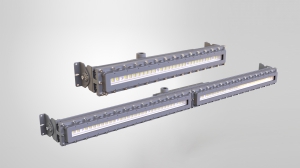
- If you need Explosion Proof LED Line Luminaires for Zone 1 & 21, please click here: (IECEX / ATEX) Explosion Proof LED Line Luminaires
Published in
UL HazLoc Certificated LED Luminaires
Tagged under